
Comparing Longevity of PEX vs Copper Pipes in Hillsboro, OR, Homes
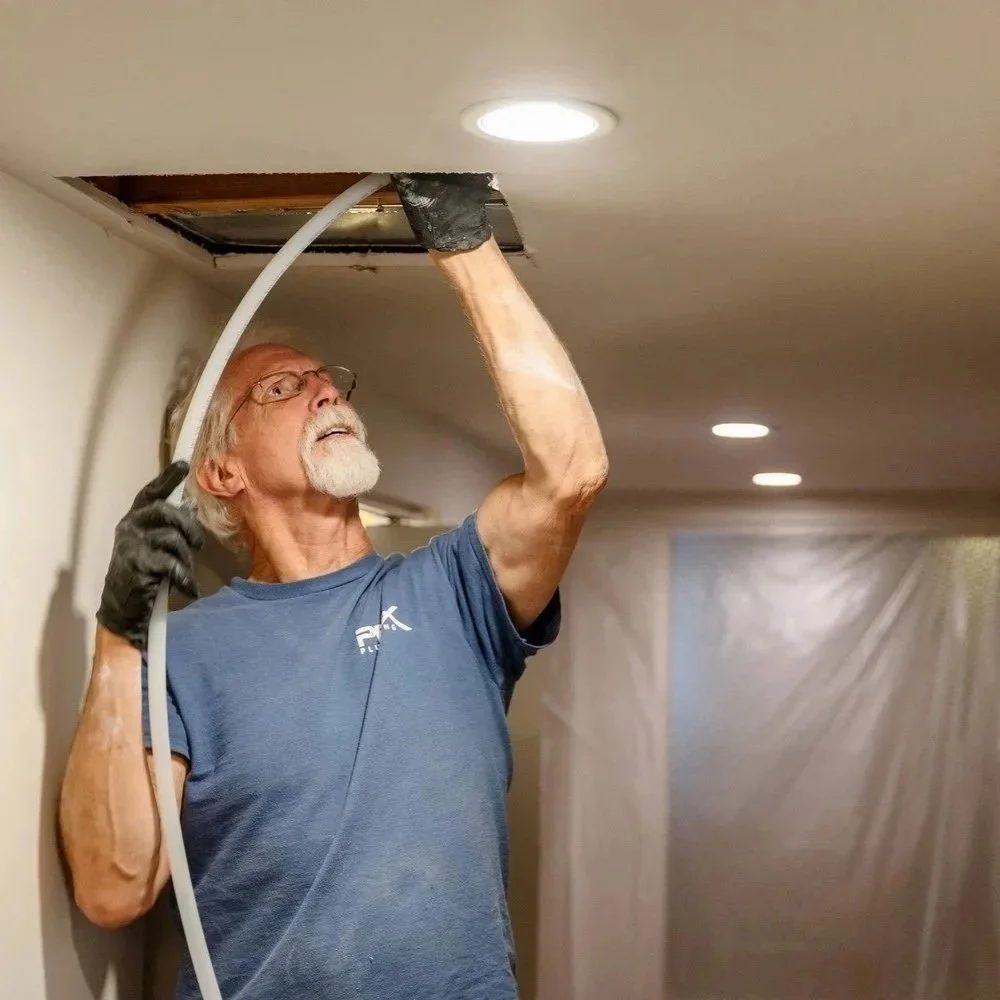
PEX vs. Copper: Understanding which plumbing material lasts longer in Hillsboro, OR, based on local water conditions and aging home infrastructure.
Introduction: Why Pipe Longevity Matters in Hillsboro, OR
Hillsboro, OR, features a broad mix of housing styles and construction eras, from mid-century neighborhoods built in the 1950s and 1960s to newer developments and remodels completed within the last twenty years. Many older homes still rely on original copper plumbing, while others have partial upgrades that blend copper with newer materials. As these homes age, plumbing systems often become a major concern in infrastructure. Pinhole leaks, discolored water, pressure fluctuations, and moisture damage tend to appear gradually, signaling that pipe longevity has shifted from a theoretical concept to a practical decision point.
Choosing between PEX pipes and copper pipes is not just about material preference. For Hillsboro homeowners, longevity determines whether a repipe becomes a one-time solution or the beginning of a recurring repair cycle. Local water chemistry, climate conditions, and home layouts all influence how long each material performs in real-world conditions. This guide compares PEX and copper pipes through a Hillsboro-specific lens, focusing on how each material ages, where problems tend to develop, and what homeowners can realistically expect over several decades of use.
Understanding Longevity in Residential Plumbing Systems
Pipe longevity refers to how long a plumbing system functions reliably without recurring failures, hidden leaks, or internal deterioration that restricts flow or compromises water quality. It is not defined solely by manufacturer warranties or ideal laboratory conditions. Real longevity accounts for how pipes respond to water pressure, temperature changes, chemical exposure, and physical stress over time. Installation quality plays a significant role, since poorly supported or improperly connected pipes tend to fail earlier, regardless of material.
In Hillsboro homes, longevity also includes predictability. A system that technically lasts fifty years but develops frequent leaks in its final decade may cost more in repairs and disruption than a slightly shorter-lived system that remains stable throughout its service life. Evaluating PEX pipes versus copper pipes requires looking beyond maximum lifespan claims and focusing on how each material behaves as homes age under local conditions.
PEX Pipes: Composition, Strengths, and Expected Lifespan
PEX, or cross-linked polyethylene, is a flexible plastic piping material designed to handle residential hot and cold water demands. The cross-linking process strengthens the plastic, improving resistance to heat, pressure, and chemical stress. PEX pipes are typically installed in long, continuous runs, which reduces the number of fittings hidden behind walls or ceilings. Fewer fittings mean fewer potential failure points over time.
Most PEX pipes are rated for service lives of 40 to 50 years under normal residential conditions. Real-world performance data from homes repiped in the 1990s and early 2000s continues to support these estimates. In Hillsboro, where water pressure and temperature demands are moderate, PEX systems installed correctly and protected from sunlight often perform consistently with minimal internal wear. The absence of corrosion and scale buildup allows PEX pipes to maintain stable flow characteristics throughout their lifespan.
PEX pipes come in different types, commonly PEX-A and PEX-B, which vary in flexibility and fitting methods. While these differences influence installation technique, longevity outcomes tend to depend more on workmanship and system design than on PEX type alone. Proper support, gentle bends, pressure regulation, and high-quality fittings all contribute to long-term durability.
Copper Pipes: Characteristics and Longevity Considerations
Copper pipes have served as the standard for residential plumbing for decades and are valued for their rigidity, heat tolerance, and long historical track record. When water chemistry remains balanced and installation quality is high, copper pipes can last fifty years or more. Many Hillsboro homes built in the 1970s and 1980s still have original copper plumbing, demonstrating copper’s longevity under favorable conditions.
However, copper’s lifespan is closely tied to water chemistry and environmental exposure. Copper reacts directly with water, meaning pH, alkalinity, and disinfectant levels influence how quickly corrosion develops. Over time, internal pitting can thin pipe walls, leading to unpredictable pinhole leaks throughout the system. These failures often cluster once corrosion reaches an advanced stage, turning occasional repairs into a recurring issue.
Copper pipes routed through crawl spaces or exterior walls are subject to additional stress from temperature fluctuations and moisture. While copper performs well in conditioned interior spaces, freeze events and damp environments increase the risk of cracking or long-term corrosion. In Hillsboro, where crawl spaces are common, these factors become particularly relevant when assessing remaining lifespan.
Hillsboro Water Chemistry and Climate Effects
Hillsboro’s municipal water supply is treated and monitored to meet regulatory standards, with pH levels adjusted to remain near neutral. While this generally supports pipe stability, even slight variations over time can influence copper corrosion rates. Changes in disinfectant methods or mineral content may accelerate pitting in older copper systems, especially those already approaching midlife.
PEX pipes respond differently to the same water. As a non-metallic material, PEX does not corrode or form internal scale, eliminating two major failure mechanisms associated with copper. Disinfectants still contribute to gradual material aging, particularly at higher temperatures, but approved PEX products are designed to withstand typical municipal conditions, such as those in Hillsboro.
Climate also plays a role. Hillsboro experiences cool, wet winters with occasional freezing events. Pipes routed through crawl spaces, garages, or exterior walls face the greatest risk. PEX pipes can flex when water freezes, often avoiding burst failures, while copper pipes are more likely to split under freeze pressure. Over decades, repeated freeze stress can shorten copper’s useful life even if major failures are avoided.
Comparing Longevity: PEX Pipes vs Copper Pipes in Hillsboro Homes
In practice, PEX and copper pipes often overlap in lifespan in Hillsboro homes. Copper may last longer in ideal conditions, but its performance becomes less predictable as systems age and water chemistry evolves. PEX pipes typically offer a more uniform aging process, with fewer gradual failures tied to corrosion or mineral buildup.
For many homeowners, the comparison centers on remaining lifespan rather than theoretical maximums. Existing copper pipes in older Hillsboro homes have often served for several decades. Even if copper can last longer in theory, aging systems may face increasing repair frequency. Newly installed PEX pipes have a full expected lifespan ahead, which often makes them attractive to homeowners planning long-term occupancy.
Maintenance patterns differ as well. Copper systems nearing the end of life tend to develop pinhole leaks throughout the home, each requiring localized repair. PEX systems generally experience fewer internal failures, with most issues tied to installation quality or external damage rather than material failure. Over time, this difference influences both cost predictability and homeowner peace of mind.
Cost Versus Longevity and Long-Term Value
Copper pipes typically carry higher upfront costs due to material pricing and labor-intensive installation methods. Soldering joints and working with rigid pipe increases labor time, especially in older Hillsboro homes with tight framing or limited access. PEX repiping projects usually cost less initially because flexible tubing installs faster and requires fewer connections.
Long-term value depends on more than initial cost. Aging copper systems that begin leaking often incur cumulative costs from repeated repairs, drywall restoration, and water damage mitigation. PEX pipes reduce corrosion-related failures, which lowers the likelihood of ongoing repair cycles. Over a 30- to 50-year horizon, reduced maintenance and lower damage risk often balance or outweigh PEX’s shorter historical track record.
Energy and water efficiency also factor into long-term value. PEX systems often use manifold or home-run layouts to reduce hot water wait times and water waste. Copper’s higher thermal conductivity can lead to faster heat loss if insulation is lacking. These differences are incremental but compound over decades of daily use.
Installation Quality as a Longevity Multiplier
Installation quality often matters more than material choice for longevity. Poor support, improper fittings, or inadequate pressure control can shorten the life of both PEX pipes and copper pipes. Licensed Hillsboro plumbers familiar with local codes and housing styles design systems that account for water pressure, temperature settings, and layout constraints.
Common mistakes that shorten lifespan include sharp bends or kinks in PEX, prolonged sunlight exposure during installation, weak solder joints in copper, and missing dielectric separation at transition points. Proper sizing, thoughtful routing, and high-quality fittings reduce stress throughout the system and support long-term reliability. Permits and inspections provide an added layer of assurance that the installation meets durability standards.
Assessing Existing Pipes in a Hillsboro Home
Homeowners can often identify pipe material by inspecting exposed areas near water heaters, under sinks, or in crawl spaces. Copper pipes appear rigid with soldered joints, while PEX pipes are flexible and commonly color-coded. Visible corrosion, staining, or recurring leaks in copper systems often indicate declining lifespan. In PEX systems, issues typically manifest as leaks at fittings or environmental damage rather than age-related wear.
Professional inspections provide a clearer picture of remaining lifespan. Plumbers assess pipe condition, measure water pressure, and look for early signs of system-wide deterioration. In Hillsboro homes, proactive inspections help homeowners plan repiping before emergency failures occur, reducing long-term costs and disruption.
Choosing Between PEX and Copper for a Hillsboro Repipe
Deciding between PEX pipes and copper pipes begins with clarifying priorities. Homeowners focused on minimizing future repairs and freeze risk often favor PEX repiping. Those who prefer traditional materials or have pipes routed primarily through conditioned interior spaces may still consider copper viable.
Home layout plays a significant role. Crawl spaces, exterior walls, and slab foundations often favor PEX due to flexibility and freeze tolerance. Exposed mechanical rooms or areas with high heat exposure may still suit copper well. In some cases, hybrid systems combine both materials where each performs best.
Clear quotes and warranty details help guide decisions. Homeowners benefit from understanding which materials and fittings are proposed, how walls will be restored, and what long-term protections are included. Local plumber experience in Hillsboro homes often provides the most reliable guidance when balancing longevity, cost, and risk.
Maintenance Practices That Extend Pipe Lifespan
Regardless of material, controlling water pressure and temperature supports longevity. Excessive pressure strains fittings and joints, while high water heater temperatures accelerate material fatigue. Insulating vulnerable pipe runs and sealing crawl spaces reduces freeze stress. Periodic inspections catch early signs of trouble before major failures develop.
Flushing systems and maintaining water quality also matter. Sediment buildup and stagnant water contribute to localized wear in both copper and PEX systems. Coordinated maintenance keeps the entire plumbing system operating within conditions that support long service life.
Conclusion: Making a Long-Term Decision for Hillsboro Homes
PEX pipes and copper pipes both offer viable long-term solutions for Hillsboro homeowners when evaluated realistically. Copper’s long history demonstrates its potential longevity, but aging systems become less predictable as corrosion advances. PEX pipes offer resistance to corrosion and freeze damage, delivering consistent performance that aligns well with many Hillsboro home layouts and climate conditions.
The most durable solution depends on the age of the existing pipe, the home's structure, water conditions, and the quality of the installation. Thoughtful evaluation and professional guidance help homeowners choose a system that delivers decades of reliable service rather than recurring repairs.
FAQs
PEX pipes generally last 40–50 years or more under normal Hillsboro conditions. Copper pipes may last longer, but their lifespan depends largely on water chemistry, installation quality, and exposure to environmental factors.
Many homeowners choose proactive replacement to avoid emergency leaks and costly water damage. PEX repiping is often preferred once aging copper begins showing signs of corrosion or nearing the end of its expected lifespan.
Yes. Municipal water’s pH levels, mineral content, and disinfectants can contribute to long-term copper corrosion. These local water conditions can affect how quickly copper pipes degrade in Hillsboro neighborhoods.
Absolutely. Hybrid plumbing systems are common. When transition fittings are installed correctly, homeowners can use each material where it performs best for long-term efficiency and reliability.
PEX Plumbing and Repiping is a trusted specialist offering repiping service, whole-house repiping, repiping of hot and cold water lines, and repiping of galvanized, copper, or polybutylene pipes for homeowners in Portland, Hillsboro, Beaverton, Vancouver, WA, and surrounding areas. Fully licensed, bonded, and insured. Count on us for fast turnaround times and clean and efficient service. Request a free quote today.
