
How Energy Efficient Is PEX Repiping in Residential Plumbing?
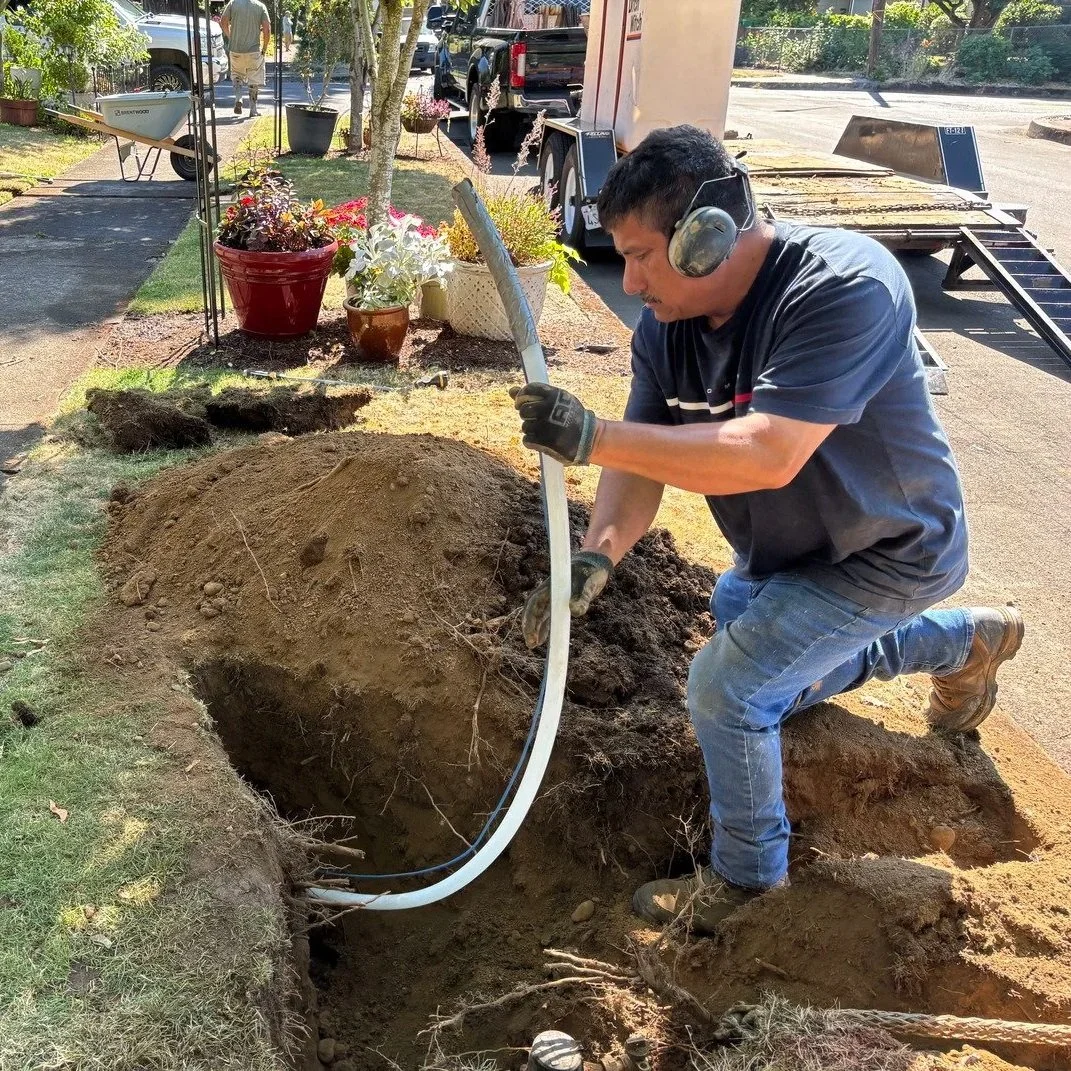
PEX repiping improves residential plumbing efficiency by reducing heat loss, minimizing flow resistance, and helping water heaters operate more effectively.
Understanding Energy Efficiency In Residential Plumbing Systems
Energy efficiency in residential plumbing rarely comes down to a single appliance or fixture. Instead, it reflects how the entire system moves water, maintains temperature, and responds to daily demand without unnecessary waste. In Hillsboro homes, plumbing energy efficiency often suffers quietly through heat loss, pressure inefficiencies, and outdated materials that force water heaters and pumps to work harder than needed. Many homeowners focus on upgrading fixtures or replacing water heaters while overlooking how pipe material and layout directly influence energy consumption every time a tap opens.
PEX repiping enters the conversation as a system-level improvement rather than a surface upgrade. Cross-linked polyethylene piping changes how water travels through the home, how long it stays at target temperature, and how much resistance the system encounters under normal use. Evaluating energy efficiency through this lens means looking beyond immediate utility bills and examining how daily habits, system design, and material behavior interact over years of operation. Plumbing efficiency builds gradually through reduced losses and smoother performance, not through one dramatic change that announces itself overnight.
How Pipe Material Influences Heat Retention And Energy Use
Pipe material plays a significant role in how much energy a plumbing system consumes, particularly for hot water delivery. Traditional metal pipes, such as copper, conduct heat rapidly, so hot water begins to cool as soon as it leaves the water heater. In longer runs or homes with dispersed bathrooms, that heat loss prompts longer run times at fixtures while users wait for water to warm up. Each extra second of waiting represents wasted energy, increased water use, and additional strain on the water heater.
PEX behaves differently due to its lower thermal conductivity. Hot water retains its temperature longer as it travels through PEX piping, reducing the need for extended run time before reaching usable temperatures. In Hillsboro, homes with plumbing layouts that include long horizontal runs or multiple floors can achieve meaningful energy savings over time through improved heat retention. Reduced heat loss also stabilizes temperature at fixtures, limiting the repeated cycling of water heaters that occurs when hot water cools too quickly in transit. Energy efficiency improves gradually as daily usage patterns align with shorter run times and steadier system behavior.
The Relationship Between Flow Efficiency And Energy Consumption
Energy efficiency in plumbing extends beyond heat alone. Water movement itself consumes energy, particularly when pressure losses force pumps or municipal supply systems to compensate. Older piping materials often develop internal roughness, scale buildup, or corrosion that increases friction as water flows through the system. That resistance reduces effective pressure at fixtures and encourages longer usage to accomplish the same tasks, indirectly increasing energy demand for water heating and pumping.
PEX piping features a smooth interior surface that reduces friction and promotes efficient flow. Water moves more freely through the system, reaching fixtures with less resistance and reduced pressure loss. That efficiency allows fixtures and appliances to operate as designed rather than compensating for restricted supply. In practical terms, showers reach comfortable temperatures more quickly, dishwashers fill more efficiently, and washing machines complete cycles without prolonged fill times. Over years of daily use, these small improvements accumulate into measurable energy efficiency gains without requiring changes in homeowner behavior.
Reducing Standby Heat Loss Through Pipe Insulation Compatibility
Standby heat loss occurs when hot water remains in pipes between uses and gradually cools, forcing reheating during the next demand cycle. Pipe material influences how quickly that heat dissipates into surrounding spaces. Metal pipes shed heat rapidly, especially in unconditioned areas such as crawl spaces or garages, which are common in Hillsboro homes. PEX slows that process, retaining heat longer even without insulation.
PEX also pairs well with insulation strategies that further improve energy performance. Its flexibility allows insulation to fit snugly along pipe runs without gaps or compression points that reduce effectiveness. When insulated properly, PEX systems maintain water temperature between uses more effectively, reducing the frequency and intensity of reheating cycles. Energy efficiency improves not through aggressive conservation tactics but through consistent thermal behavior that supports everyday comfort while limiting waste.
How System Layout And PEX Design Improve Energy Outcomes
Energy efficiency depends heavily on how plumbing systems distribute water throughout the home. Older layouts often rely on branching systems that send hot water through multiple shared pathways before reaching fixtures. That design increases distance, heat loss, and wait times. PEX repiping offers opportunities to redesign layouts for efficiency rather than for the convenience of installation alone.
Manifold systems, commonly paired with PEX, deliver dedicated lines to individual fixtures. Shorter, more direct runs reduce travel distance and heat loss while improving pressure consistency. Energy efficiency improves as water heaters respond to targeted demand instead of supporting broad, inefficient circulation. In Hillsboro residences where remodeling or repiping aligns with updated layouts, these design improvements significantly reduce energy consumption without sacrificing performance or comfort.
The Impact Of Pressure Stability On Energy Efficiency
Pressure instability indirectly affects energy use by altering the duration of fixture runs and the performance of appliances. Low or fluctuating pressure encourages longer usage times, increases reheating cycles, and disrupts appliance efficiency. Older piping systems often struggle to maintain stable pressure under simultaneous demand, particularly when internal restrictions exist.
PEX repiping supports pressure stability through reduced friction loss and flexible routing that accommodates demand changes smoothly. Stable pressure allows appliances to complete cycles efficiently and fixtures to deliver water at intended flow rates. Energy efficiency benefits emerge as water heaters operate within predictable demand ranges rather than responding to erratic usage patterns. In Hillsboro homes with multiple bathrooms or frequent simultaneous water use, pressure stability plays a subtle but important role in overall energy performance.
Addressing Energy Loss From Hidden Leaks And Microfailures
Hidden leaks are among the most overlooked sources of energy waste in residential plumbing. Even small leaks divert heated water away from fixtures, forcing water heaters to compensate without delivering usable output. Older metal piping systems develop pinhole leaks through corrosion, often concealed behind walls or under floors. These leaks may not immediately raise alarms but steadily erode energy efficiency through constant reheating and pressure loss.
PEX repiping reduces the likelihood of such failures due to its resistance to corrosion and chemical degradation. Fewer joints and smoother routing further limit potential leak points. Energy efficiency improves as the system delivers heated water where intended rather than losing it invisibly. In Hillsboro, homes where water bills and energy costs rise without an obvious explanation often reveal that infrastructure issues quietly contributed to inefficiency.
Water Heater Load Reduction Through Efficient Delivery
Water heaters consume energy based on both volume and frequency of heating cycles. Inefficient plumbing delivery increases both factors by extending run times and prompting reheating due to heat loss. PEX repiping reduces the load placed on water heaters by delivering hot water efficiently and maintaining temperature stability throughout the system.
Shorter run times and improved heat retention allow water heaters to cycle less frequently while still meeting demand. That reduced workload supports longer equipment lifespan and steadier energy consumption patterns. Over time, homeowners notice improved performance without needing larger or more powerful water heating equipment. In Hillsboro’s moderate climate, these efficiency gains align well with regional energy usage patterns and utility expectations.
Energy Efficiency In Cold Water Delivery And Appliance Performance
Cold water delivery also influences energy use, particularly in appliances that rely on precise intake volumes and temperatures. A restricted or inconsistent cold water supply disrupts appliance efficiency, leading to longer cycles or compensatory heating. PEX piping supports consistent cold water delivery through smooth flow and stable pressure, allowing appliances to operate as intended.
Efficient cold water delivery reduces unintended mixing at fixtures and supports proper appliance calibration. Energy efficiency improves as systems avoid unnecessary adjustments or prolonged operation caused by supply irregularities. In residential settings where multiple appliances operate daily, consistent cold water performance contributes quietly to reduced energy consumption across the household.
The Role Of PEX In Supporting Recirculation And On-Demand Systems
Many Hillsboro homeowners explore recirculation or on-demand hot water systems to reduce wait times and water waste. The effectiveness of those systems depends heavily on pipe material and layout. Metal piping sheds heat quickly, which forces recirculation systems to run more frequently to maintain temperature. That constant cycling increases energy use and offsets some of the intended efficiency gains. PEX changes that equation by retaining heat longer between cycles, allowing recirculation systems to operate less aggressively while still delivering prompt hot water.
PEX also adapts well to demand-based recirculation designs that activate only when fixtures request hot water. Reduced heat loss means water remains closer to the target temperature throughout the pipe network, limiting the amount of reheating during each activation. Energy efficiency improves through shorter run times and reduced standby losses. Homeowners benefit from faster hot water delivery without the ongoing energy draw associated with older piping materials that struggle to maintain temperature stability.
How PEX Repiping Influences Daily Water Use Behavior
Energy efficiency often improves when systems align naturally with how people use their homes. Plumbing that delivers hot water quickly and maintains steady pressure reduces the tendency toward wasteful habits, such as leaving taps running excessively or adjusting fixtures repeatedly. PEX repiping influences behavior indirectly by improving responsiveness and consistency across the system. When water arrives at the desired temperature promptly, users stop compensating by running longer.
In Hillsboro households where multiple occupants share bathrooms and kitchens, these behavioral shifts accumulate quickly. Shorter showers, faster dishwashing cycles, and more predictable appliance operation translate into lower energy use without requiring conscious conservation efforts. The system supports efficiency passively by performing well under normal use rather than demanding behavioral changes that rarely persist long term.
Comparing Energy Performance Between Partial And Full Repiping
Some homeowners consider partial repiping as a cost-saving measure, replacing only problem areas while leaving older materials elsewhere. From an energy efficiency perspective, mixed-material systems often underperform compared to fully repiped homes. Heat loss and friction losses persist in the remaining metal sections, limiting the overall benefit of upgraded segments. Energy efficiency improves unevenly, creating bottlenecks that still influence system behavior.
Full PEX repiping delivers uniform performance across the entire plumbing network. Consistent material properties allow heat retention, flow efficiency, and pressure stability to work together rather than in isolation. In Hillsboro homes where partial upgrades failed to deliver noticeable energy savings, full repiping often reveals how interconnected plumbing efficiency truly is. System-wide consistency supports predictable energy performance that fragmented upgrades struggle to achieve.
Long-Term Energy Cost Trends And Infrastructure Aging
Energy efficiency should be evaluated over the lifespan of a system rather than solely on short-term savings. As plumbing infrastructure ages, efficiency typically declines due to corrosion, buildup, and increasing friction. Metal systems grow less efficient each year, even if performance changes remain subtle initially. PEX resists these aging effects, maintaining consistent internal conditions that support stable energy use over the long term.
Long-term ownership benefits emerge as energy costs remain predictable rather than creeping upward due to infrastructure degradation. Hillsboro homeowners planning extended occupancy often view repiping as an investment in operational stability rather than an immediate cost-saving measure. Energy efficiency compounds over time as the system avoids gradual performance loss that older materials cannot prevent.
Environmental Conditions And Regional Energy Considerations
Hillsboro’s climate influences how energy efficiency gains manifest in residential plumbing. Moderate temperatures reduce extreme heating demands, which means incremental improvements in heat retention and flow efficiency contribute meaningfully to overall energy performance. PEX performs well under these conditions by maintaining stability across seasonal changes without excessive expansion or contraction.
Regional utility costs and energy expectations also shape how homeowners perceive efficiency improvements. Reduced reheating cycles, lower standby losses, and smoother appliance operation align with local energy usage patterns. PEX repiping complements Hillsboro’s environmental conditions by supporting efficient performance without relying on aggressive mechanical interventions or constant system adjustments.
FAQs
PEX repiping reduces energy use by limiting heat loss as hot water travels from the water heater to fixtures. Lower thermal conductivity helps water reach usable temperatures faster, reducing run times and the frequency of reheat events during regular daily use.
PEX repiping reduces a water heater's workload by improving delivery efficiency rather than increasing demand. Hot water reaches fixtures with less temperature drop, reducing repeated heating cycles and supporting steadier operating patterns over time.
PEX repiping improves efficiency at the infrastructure level, so benefits occur even when existing fixtures and appliances remain in place. Improved heat retention and smoother flow reduce wasted energy regardless of fixture age or design.
Larger homes often see more noticeable efficiency gains because longer pipe runs amplify heat loss in metal systems. PEX limits that loss, allowing hot water to maintain temperature across extended distances without extended run times.
PEX supports recirculation systems by retaining heat longer between cycles. Reduced heat loss allows recirculation pumps to operate less frequently while still delivering hot water faster and lowering overall energy demand.
PEX Plumbing and Repiping is a trusted specialist offering repiping service, whole-house repiping, repiping of hot and cold water lines, and repiping of galvanized, copper, or polybutylene pipes for homeowners in Portland, Hillsboro, Beaverton, Vancouver, WA, and surrounding areas. Fully licensed, bonded, and insured. Count on us for fast turnaround times and clean and efficient service. Request a free quote today.
