
How PEX Repiping Improves Water Quality in Hillsboro Homes
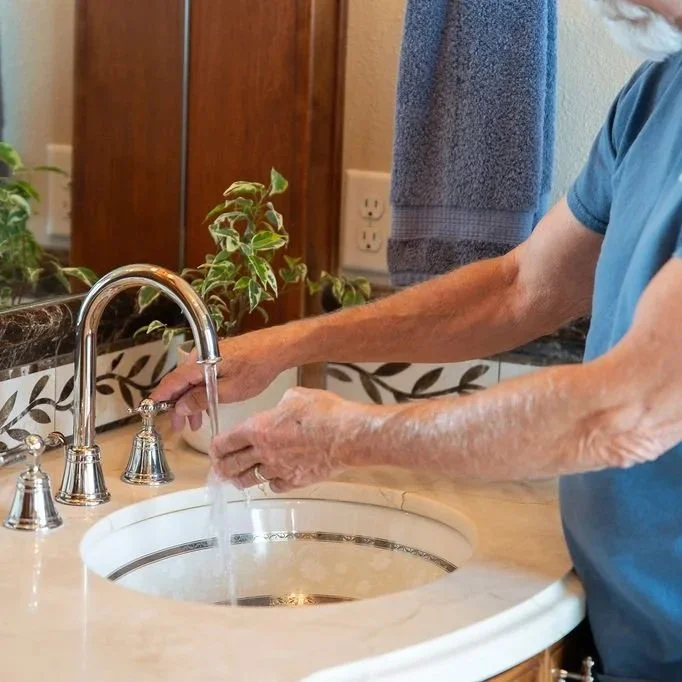
Water quality issues in Hillsboro often originate from deteriorating in-home plumbing rather than the municipal supply. As older pipe materials corrode or break down, they release metallic tastes, discoloration, and contaminants into household water.
Introduction: Why Water Quality Matters in Hillsboro Homes
Water quality affects nearly every daily activity inside a home, from drinking and cooking to bathing, laundry, and appliance use. When water looks cloudy, tastes metallic, or carries an unpleasant odor, those issues quickly become more than a minor inconvenience. In Hillsboro, OR, many homeowners assume water quality concerns originate with the municipal supply, yet the problem often lies within the home itself. Aging plumbing materials quietly influence water long after it leaves the treatment facility, shaping what actually comes out of the tap.
Hillsboro has many established neighborhoods with homes built decades ago, often using plumbing materials that were never intended to last indefinitely. Pipes hidden behind walls and beneath floors degrade slowly, altering water quality long before leaks become apparent. Understanding how internal plumbing affects water clarity, taste, and safety provides essential context for evaluating long-term solutions such as PEX repiping rather than relying on surface-level fixes.
How Plumbing Materials Influence Water Quality
Many water quality complaints in Hillsboro homes share common symptoms, including brown or yellow discoloration, metallic taste, sediment in sinks or tubs, and inconsistent pressure. These issues frequently appear in homes with older plumbing systems, particularly those built with galvanized steel or aging copper. Galvanized pipes corrode internally over time, releasing rust and narrowing flow paths, while copper can develop pitting and scale that affect both taste and clarity.
Municipal water reaching Hillsboro homes is treated and regulated, but that quality can change significantly as water passes through private plumbing. Corroded pipes, mineral buildup, and internal debris all interact with the water before it reaches fixtures. Over time, these internal factors raise concerns not only about appearance and taste, but also about appliance efficiency, maintenance costs, and confidence in daily water use.
What PEX Repiping Is and Why It’s Gaining Popularity
PEX repiping replaces a home’s existing water supply lines with new piping made from cross-linked polyethylene. Rather than addressing isolated problem areas, repiping creates a consistent, modern water delivery system from the main entry point to every fixture and appliance. This approach eliminates deteriorating materials that compromise water quality throughout the home.
PEX has gained popularity among Hillsboro plumbing professionals for its combination of durability and flexibility. It resists corrosion, requires fewer joints, and supports efficient installation without sacrificing long-term performance. Understanding how these characteristics translate into improved water quality helps homeowners decide whether PEX repiping aligns with their long-term goals.
Understanding PEX: What Homeowners Should Know
PEX, or cross-linked polyethylene, is a plastic piping material strengthened through a manufacturing process that improves resistance to pressure and temperature changes. Its flexibility allows it to bend around corners, reducing the number of fittings needed throughout a plumbing system. Fewer fittings mean fewer opportunities for leaks, debris accumulation, or contamination.
PEX is approved for potable water use under Oregon plumbing codes and must meet strict national certification standards. Available in different types, such as PEX-A and PEX-B, the material choice typically reflects installation method and contractor preference rather than water safety differences. When installed correctly, all approved types support clean, reliable water delivery for decades.
How Old Pipes Degrade Water Quality in Hillsboro Homes
Many Hillsboro homes still rely on plumbing systems installed long before modern water demands were common. As pipes age, their internal condition changes in ways that are not visible from the outside. Water quality issues often develop gradually, making it difficult to pinpoint the source without understanding how materials degrade over time.
Galvanized steel pipes rely on a zinc coating that eventually wears away, exposing the underlying steel to rusting. Rust flakes travel through the system, causing discoloration, metallic taste, and sediment at fixtures. Scale buildup from naturally occurring minerals further narrows the pipe interior, reducing flow and creating uneven surfaces that trap debris. These conditions also allow biofilm to develop, especially in areas where water sits unused for long periods.
Copper pipes, while longer-lasting, are not immune to degradation. Certain water chemistries accelerate internal pitting, which can affect taste and clarity and eventually lead to leaks. As metal pipes corrode, small amounts of metals can leach into the water, raising concerns for homeowners focused on long-term exposure and overall household health.
Key Ways PEX Repiping Improves Water Quality
Replacing old metal pipes with PEX removes the primary source of rust, corrosion, and internal debris. Because PEX does not oxidize or react with water, it eliminates ongoing material breakdown inside the plumbing system. Many homeowners notice clearer water almost immediately after repiping, particularly at fixtures that previously produced rusty or cloudy bursts.
PEX’s smooth interior surface resists mineral adhesion far better than aging metal pipes. With fewer rough surfaces, scale and sediment accumulate more slowly, allowing water to flow evenly and flush the system more effectively during normal use. Improved flow also reduces stagnation, which helps limit conditions that contribute to taste, odor, and clarity issues over time.
By reducing contact between water and deteriorating metal surfaces, PEX repiping lowers the risk of metal leaching into drinking water. While fittings and fixtures still contain metal components, overall exposure is significantly lower than in fully metal systems. This shift stabilizes water chemistry and supports more consistent taste and appearance throughout the home.
Taste, Odor, and Clarity After PEX Repiping
Many Hillsboro homeowners report a cleaner, more neutral taste after replacing corroded metal pipes with PEX. When water no longer passes through rusting steel or mineral-coated copper, it avoids constant interaction with materials that alter flavor. Over time, this change often becomes most noticeable in drinking water and hot beverages.
Some homeowners notice a faint plastic-like taste shortly after installation, particularly if the system has not been fully flushed. This effect is typically temporary and fades as fresh water cycles through the lines. Certified potable-grade PEX undergoes testing for taste and odor thresholds, and long-term use rarely produces persistent flavor issues.
Odors such as musty or sulfur-like smells often trace back to stagnant water or bacterial growth in older pipes. PEX repiping improves internal conditions by reducing rough surfaces and improving flow, thereby limiting areas where water can stagnate. While PEX alone does not eliminate every odor source, it creates a plumbing environment that is easier to keep stable and clean.
Health and Safety Benefits of PEX Repiping
Aging metal pipes shed corrosion byproducts into household water as they degrade. Over time, rust particles and metal ions become a regular presence in daily water use. PEX repiping removes that internal source, creating a more predictable and stable delivery system that supports long-term household health.
Modern PEX systems often improve pressure balance, reducing sudden temperature swings during showers and baths. More consistent water temperature lowers scalding risk, particularly for children and older adults. PEX also retains heat more effectively than metal, helping deliver steadier hot water throughout the home.
Hidden leaks from corroded pipes can introduce moisture into walls and floors, creating conditions for mold growth and degraded indoor air quality. Fewer joints and flexible installation reduce the likelihood of slow leaks, helping maintain a dry, stable environment behind walls and under floors.
How the PEX Repiping Process Works in Hillsboro
PEX repiping begins with a detailed inspection of the existing plumbing system. Contractors identify pipe materials, evaluate access points, and discuss water quality concerns such as taste, discoloration, or pressure fluctuations. This assessment helps determine whether a full repipe is appropriate and how the new system should be designed.
Planning focuses on pipe sizing, layout efficiency, and fixture demand. Many homes benefit from manifold-based systems that provide dedicated lines to individual fixtures, supporting consistent flow and easier future maintenance. Installation typically involves routing new PEX lines alongside existing pipes, followed by a coordinated switchover that minimizes water downtime.
After installation, the system is pressure tested and thoroughly flushed to remove debris and any residual manufacturing materials. Fixtures are tested for proper flow and temperature, and homeowners receive guidance on shutoff locations and basic system care.
Why PEX Performs Well in Hillsboro Homes
Hillsboro’s climate includes cool, wet winters and warm summers, which places ongoing stress on plumbing materials. PEX handles temperature fluctuations well because it flexes rather than cracking or splitting. Its resistance to moisture-related corrosion makes it well-suited for crawl spaces, basements, and other semi-exposed areas common in local homes.
PEX’s flexibility also benefits older houses, where rigid pipes are difficult to route without extensive demolition. Installers can often upgrade plumbing with fewer wall openings, reducing disruption while preserving interior finishes. These characteristics make PEX repiping a practical solution for both full-system upgrades and homes undergoing phased renovations.
Cost Considerations and Long-Term Value
PEX repiping represents a significant investment, but evaluating cost requires looking beyond the initial price. Continued spot repairs in aging systems often lead to repeated service calls, emergency leaks, and accumulated collateral damage. Many Hillsboro homeowners find that stabilizing the entire system at once reduces long-term expenses and ongoing disruption.
PEX typically costs less than copper due to lower material prices and faster installation. Improved flow efficiency, reduced leak risk, and longer service life all contribute to long-term value. When spread across decades of reliable use, the investment often aligns well with practical homeownership planning.
FAQs
Homes with galvanized steel or aging copper pipes that experience recurring leaks, discolored water, metallic taste, or ongoing pressure issues often have system-wide deterioration. A professional inspection can confirm the pipe's condition and help determine whether repiping is more effective than continued repairs.
PEX approved for potable water must meet strict certification standards regulating chemical extraction, taste, and odor. When installed correctly using certified materials, PEX is considered safe for long-term residential water delivery.
Most Hillsboro repiping projects take several days to about a week, depending on home size and layout. Contractors typically stage work so water service is restored at the end of each day, with only brief shutoffs during active replacement.
Replacing corroded metal pipes often leads to clearer water and a more neutral taste by removing internal sources of rust and mineral buildup. Many homeowners notice improvements shortly after repiping, with continued stabilization over time.
For many older homes, PEX repiping addresses water quality, reliability, and long-term risk in a single upgrade. While the project requires planning and investment, it often delivers lasting improvements that temporary fixes cannot achieve.
PEX Plumbing and Repiping is a trusted specialist offering repiping service, whole-house repiping, repiping of hot and cold water lines, and repiping of galvanized, copper, or polybutylene pipes for homeowners in Portland, Hillsboro, Beaverton, Vancouver, WA, and surrounding areas. Fully licensed, bonded, and insured. Count on us for fast turnaround times and clean and efficient service. Request a free quote today.
