
How PEX Repiping Works in Older Hillsboro Homes
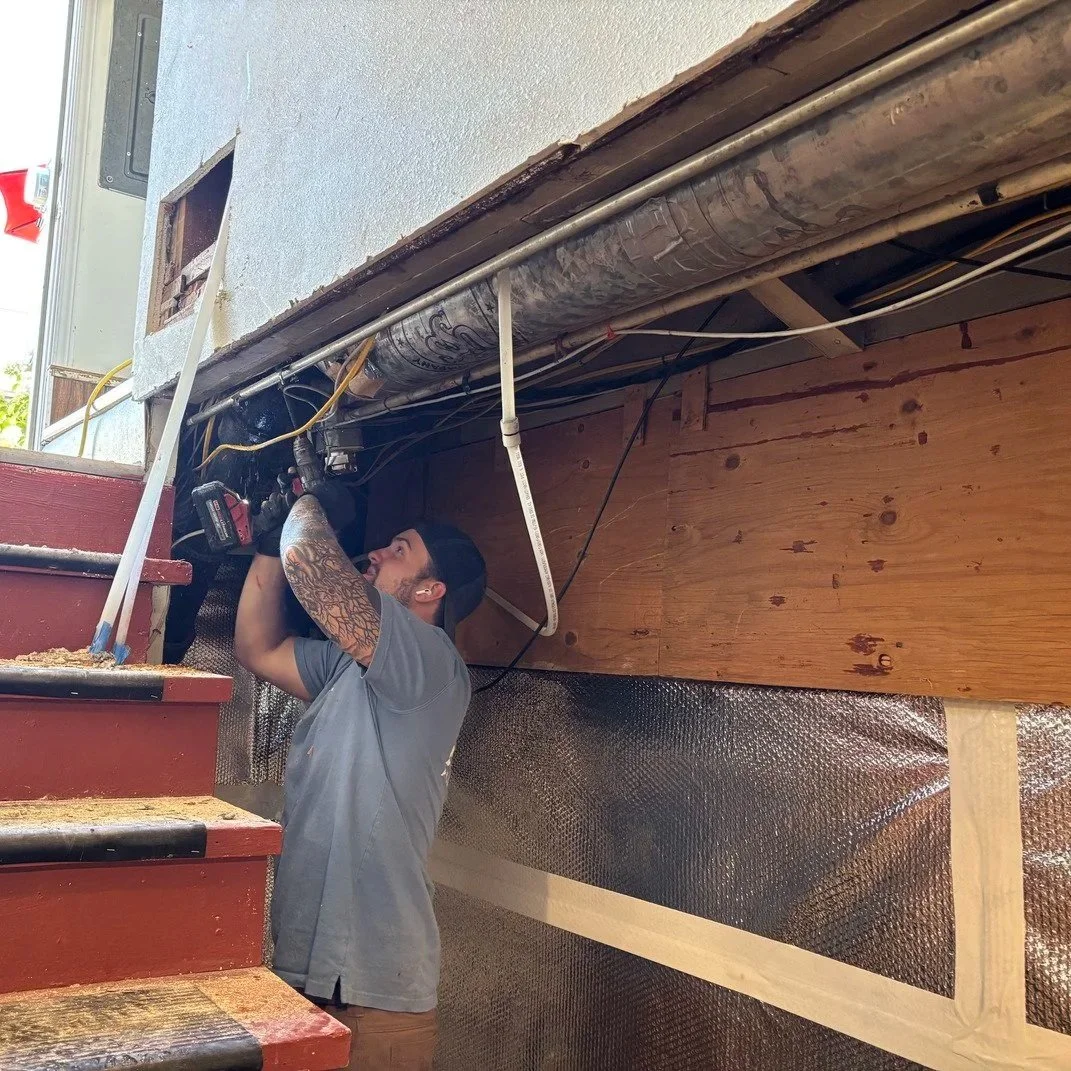
Older Hillsboro home plumbing being replaced with flexible PEX pipes, preventing leaks, corrosion, and improving water pressure reliability.
Understanding Why Older Hillsboro Homes Need Repiping
Older homes across Hillsboro, OR, were often built with plumbing materials that made sense at the time but now show their age in very real ways. Galvanized steel, cast iron, and early copper systems all had expected lifespans, and many properties in established neighborhoods have quietly exceeded them. Pipes corrode from the inside out, mineral buildup narrows water pathways, and years of thermal expansion gradually weaken joints. Homeowners usually notice the problem through symptoms rather than pipe age, such as inconsistent water pressure, rusty water, frequent pinhole leaks, or repairs that feel suspiciously repetitive. PEX repiping comes into play when those warning signs shift from occasional inconvenience to a pattern that affects daily use and long-term property value.
PEX repiping matters in older Hillsboro homes because it addresses root causes instead of chasing isolated failures. Replacing a single leaking section of galvanized pipe often triggers stress elsewhere in the system, especially when water pressure shifts or new materials are connected to old ones. PEX offers flexibility that works well with existing wall cavities, crawlspaces, and attic runs common in local construction styles. Climate also plays a role, since seasonal temperature changes and soil conditions affect pipe expansion and contraction over decades. A full PEX repiping project creates a consistent, modern system that responds predictably to pressure, temperature, and daily demand, which changes how the entire home performs rather than fixing one problem at a time.
What PEX Repiping Actually Involves
PEX repiping involves replacing a home’s existing water supply lines with cross-linked polyethylene (PEX) tubing. PEX material bends around corners, reduces the number of fittings needed, and handles both hot and cold water distribution through a unified system design. In older Hillsboro homes, plumbers typically leave drain lines untouched unless there are separate issues and focus instead on supply lines that deliver water to fixtures, appliances, and outdoor connections. The process involves mapping the existing plumbing layout, identifying high-stress zones, and designing new routing paths that minimize disruption while improving flow consistency.
Installation usually starts at the main water entry point and works outward to kitchens, bathrooms, laundry rooms, and hose bibs. PEX lines often run through attics or crawlspaces where access allows for clean installation without opening large sections of finished walls. Shutoff valves are upgraded during the process, giving homeowners better control over individual areas of the house. Long-term performance improves because PEX resists corrosion and mineral scaling, two major contributors to pipe failure in older systems. Over time, homeowners notice steadier water pressure, fewer temperature fluctuations, and a reduced risk of sudden leaks that cause structural damage or mold growth.
Evaluating Existing Pipe Conditions Before Repiping
A proper PEX repiping project starts with understanding the condition of the existing plumbing, not guessing based on age alone. Plumbers inspect visible sections of pipe, review past repair history, and assess water quality indicators like discoloration or sediment. Pressure testing and flow measurements help determine whether restrictions exist inside the pipes. In Hillsboro homes with crawlspaces, inspectors often find moisture exposure or soil contact that accelerates corrosion in older materials. Attic plumbing can show heat-related wear, leading to joint separation or brittle failures during cold snaps.
Assessment also includes fixture performance and appliance behavior. Washing machines that fill slowly, showers that lose pressure when another tap opens, or water heaters that struggle to maintain temperature often point to systemic issues rather than isolated component failure. Ignoring these signals allows deterioration to continue behind walls where damage spreads quietly. PEX repiping becomes a proactive response that stabilizes the system before catastrophic failure forces emergency repairs. Homeowners benefit by replacing pipes under controlled conditions rather than reacting to flooding, drywall damage, or emergency water shutoffs that disrupt daily routines.
Routing PEX Lines Through Older Home Layouts
Older Hillsboro homes pose unique challenges for routing new plumbing lines because of construction styles that predate modern access planning. Narrow stud bays, plaster walls, and tight crawlspaces require strategic planning to avoid unnecessary demolition. PEX tubing adapts well to these environments because it snakes through cavities with fewer access points. Plumbers plan routes that follow existing plumbing paths when possible while correcting design flaws that caused uneven pressure or noisy pipes in the original system.
Routing decisions also account for future maintenance and expansion. Dedicated manifolds allow individual lines to run directly to fixtures, which simplifies troubleshooting later. Homes with multiple bathrooms benefit from balanced pressure that does not drop when appliances run simultaneously. Long-term reliability improves because fewer joints exist behind walls, reducing potential failure points. Proper routing also improves freeze resistance in exposed areas, which matters in homes with shallow crawlspaces or older insulation standards. Each routing choice affects system performance for decades, making planning just as important as installation skill.
Water Pressure And Flow Improvements After Repiping
PEX repiping often delivers immediate improvements in water pressure and flow consistency, especially in homes previously served by narrowed or corroded pipes. Older galvanized systems restrict water flow as mineral deposits accumulate, leading to pressure loss that worsens over time. PEX tubing maintains its internal diameter, allowing water to move efficiently from the supply point to fixtures without obstruction. Homeowners notice faster fill times, stronger showers, and fewer pressure fluctuations when multiple fixtures operate simultaneously.
Flow improvements also protect appliances by delivering consistent water volume without sudden surges. Dishwashers and washing machines operate more efficiently, and water heaters experience less stress from erratic demand. Over years of use, stable flow reduces wear on valves, cartridges, and seals throughout the home. PEX repiping changes how water behaves inside the system, creating predictable performance that supports long-term ownership rather than masking problems with temporary fixes.
Material Longevity And Performance In Hillsboro Conditions
PEX repiping performs especially well in Hillsboro, OR, because the material reacts well to local environmental conditions over long-term ownership. Older plumbing materials often struggle with moisture levels, soil composition, and the region's common seasonal temperature swings. Metal pipes expand and contract repeatedly, slowly weakening joints and accelerating corrosion at connection points. PEX behaves differently because it flexes rather than resists movement, allowing it to absorb pressure changes without stressing fittings. Over decades, that flexibility translates into fewer leaks and less hidden degradation behind walls or under floors.
Longevity also depends on how water chemistry interacts with pipe material. Hillsboro homes sometimes have mineral deposits that gradually corrode metal systems from the inside. PEX resists scaling and chemical reactions that shorten pipe life, which helps maintain flow consistency year after year. Long-term performance matters because repiping is not a short-term upgrade meant to be revisited frequently. Homeowners who invest in PEX repiping gain predictability in system behavior, reduced risk of internal corrosion, and a plumbing infrastructure that better aligns with modern fixture demands. Performance remains stable rather than slowly declining, which supports property values and reduces ongoing maintenance burdens.
How PEX Repiping Affects Walls And Finished Spaces
One of the most common concerns homeowners raise involves how invasive a PEX repiping project might be, especially in older homes with finished walls or historic features. PEX installation minimizes disruption because flexible tubing requires fewer access points than rigid pipe systems. Plumbers often route lines through crawlspaces, attics, or behind existing plumbing chases, avoiding large-scale wall removal. When small access openings are required, they are placed strategically and repaired after installation, limiting visual impact.
Finished spaces benefit from thoughtful routing decisions that anticipate future access needs. Manifold systems allow individual lines to shut off without opening walls, which reduces the need for future demolition during repairs or fixture upgrades. Over time, homeowners appreciate that plumbing upgrades did not come at the expense of interior finishes. PEX repiping respects the structure of older Hillsboro homes by adapting to existing layouts rather than forcing invasive changes. That balance between modernization and preservation makes the process appealing to owners who value both performance and aesthetics.
Temperature Stability And Hot Water Delivery
PEX repiping affects how hot water travels through a home, especially in older systems where heat loss and long pipe runs can delay delivery. Metal pipes conduct heat away from water quickly, leading to longer wait times and wasted water as homeowners wait for taps to warm. PEX retains heat more effectively, which shortens delivery times and stabilizes temperature at fixtures. Hillsboro homes with distant bathrooms or multi-level layouts benefit from this improvement because it reduces daily inefficiencies.
Stable temperature delivery also protects fixtures and users. Sudden temperature swings strain cartridges and mixing valves while increasing the risk of scalding. PEX systems deliver smoother transitions, improving user comfort and reducing wear on plumbing components. Over years of use, consistent temperature performance extends the lifespan of both pipes and fixtures. Hot water systems operate under less stress, which supports energy efficiency and long-term reliability without relying on constant adjustments or supplemental solutions.
Managing Noise And Water Hammer Issues
Older plumbing systems often produce noise due to rigid pipes vibrating inside wall cavities when water flow changes abruptly. Water hammer events stress joints and fittings, contributing to gradual damage. PEX naturally dampens vibration because of its flexibility, reducing noise and absorbing pressure changes more effectively. Homeowners notice quieter operation, especially when appliances shut off valves suddenly or when multiple fixtures operate at once.
Noise reduction improves quality of life while also protecting the system itself. Repeated vibration loosens connections over time, creating hidden leaks that develop slowly. PEX repiping mitigates those risks by softening pressure spikes before they travel through the system. Over the long term, quieter plumbing correlates with fewer mechanical failures and reduced maintenance needs. Homes feel calmer, and plumbing operates without drawing attention to itself during daily use.
Long-Term Maintenance And Repair Considerations
PEX repiping simplifies future maintenance by making systems more modular and accessible. Manifolds allow individual lines to be isolated without shutting down the entire home, which makes fixture repairs less disruptive. Flexible tubing also accommodates minor structural shifts without cracking or joint separation. Older Hillsboro homes experience gradual settling that rigid pipes cannot tolerate as easily.
Repair scenarios improve because fewer fittings exist behind walls where failures cause extensive damage. When repairs are necessary, PEX connections allow faster service without cutting large sections of pipe. Over the decades, these advantages reduce cumulative repair costs and minimize the likelihood of emergency plumbing events. Homeowners benefit from predictable maintenance patterns rather than reactive repairs triggered by sudden failures. PEX repiping supports long-term ownership by reducing uncertainty around plumbing reliability.
Cost Planning And Value Implications For Older Homes
PEX repiping represents a significant investment, but cost planning improves when homeowners understand long-term value implications. Repairing individual leaks repeatedly often exceeds the cost of full replacement over time. PEX repiping stabilizes expenses by addressing the entire system at once, which eliminates surprise failures that lead to emergency service calls. Older Hillsboro homes gain increased market appeal because buyers recognize updated plumbing as a major asset.
Property value improves because inspectors and buyers view modern plumbing as lower risk. Insurance considerations also shift when aging pipes no longer threaten water damage claims. Over years of ownership, homeowners experience fewer disruptions and better system performance, which justifies the upfront investment. PEX repiping aligns financial planning with long-term reliability rather than short-term fixes that accumulate hidden costs.
FAQs
PEX repiping projects in older Hillsboro homes typically take several days, depending on layout, access, and the number of fixtures involved. Flexible tubing allows plumbers to work efficiently through crawlspaces and attics, reducing demolition time. Most homes regain full water service quickly once installation begins, with minimal disruption compared to repeated repair visits over time.
PEX repiping materials used for potable water meet established safety standards and resist corrosion that affects water quality in older systems. Water delivered through PEX maintains clarity and taste consistency because mineral buildup does not accumulate inside the tubing. Homeowners often notice improved water appearance compared to aging metal pipes.
PEX repiping integrates smoothly with existing fixtures, appliances, and water heaters using approved fittings and transition connections. Plumbers evaluate each connection point to maintain compatibility while improving overall system performance. Upgraded shutoff valves and routing often enhance fixture operation rather than requiring replacement.
PEX repiping minimizes structural disruption because the flexible tubing can run through existing spaces with fewer access points. Small openings may be required for connections, but widespread wall or floor removal is uncommon. Repairs typically restore surfaces to their original appearance after installation.
Homes with updated PEX plumbing systems appeal to buyers because they reduce the risk of leaks and future repairs. Inspectors often note repiping as a positive upgrade, which supports stronger offers and smoother transactions. Updated plumbing reassures buyers looking at older Hillsboro properties.
PEX Plumbing and Repiping, a licensed, bonded, and insured company, offers repiping of CPVC water pipes, PEX repipe for multi-story homes, PEX repipe for manufactured homes, and asbestos testing services to homeowners in Portland, Hillsboro, Beaverton, Vancouver, WA, and surrounding areas. We ensure long-term reliability and high performance. Call today.
