
How-To: Identify Old Piping Materials in Your Hillsboro Home
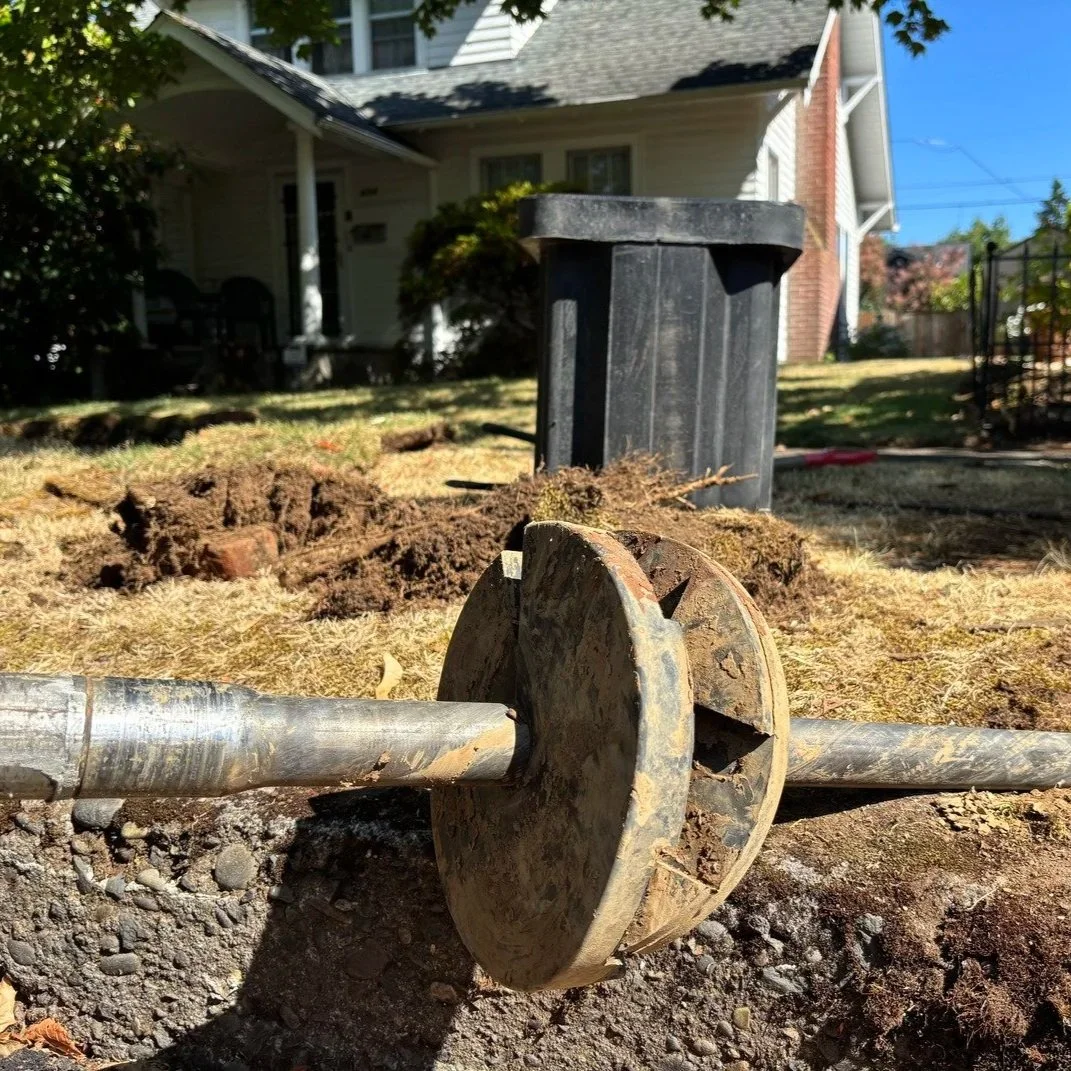
Old plumbing pipes in a Hillsboro home showing different materials, helping homeowners identify and assess potential maintenance issues.
Why Knowing Your Pipe Material Still Matters Today
Many Hillsboro homes have plumbing systems installed decades ago, long before current materials, codes, and water-use patterns became standard. Homeowners often live with these systems without knowing what materials sit behind walls, under floors, or inside crawl spaces until a leak, pressure issue, or renovation forces the question. Identifying old piping materials early provides practical insight into how the system behaves, why certain problems keep reappearing, and what risks may be quietly developing over time.
Pipe material influences everything from water pressure consistency to leak likelihood and long-term maintenance costs. In Hillsboro, OR, where housing stock ranges from postwar construction to more recent developments, plumbing materials vary widely even within the same neighborhood. Some materials age predictably, while others fail without warning once environmental conditions align. Understanding the piping in a home gives homeowners context for recurring issues and enables informed decisions before small problems escalate into system-wide failures.
Where To Start Looking For Visible Pipe Clues
The easiest place to begin identifying piping materials is where pipes remain exposed. Under sinks, near water heaters, inside garages, and within crawl spaces often provide the first visual evidence. These locations typically reveal short pipe sections, fittings, or transitions that indicate what materials run throughout the rest of the home. Even if only a portion of the system remains visible, those clues usually reflect the primary material used during original installation or later upgrades.
In Hillsboro, homes with partial renovations may feature multiple materials together. Copper transitioning into plastic or steel joined to newer tubing often indicates staged repairs rather than a full repipe. Observing pipe color, surface texture, and connection style helps distinguish between materials quickly. Taking time to inspect these areas methodically provides more reliable insight than relying solely on age assumptions.
Recognizing Galvanized Steel Pipes
Galvanized steel piping was common in homes built through the mid-twentieth century and remains in many older Hillsboro properties. These pipes appear dull gray or silver and feel rigid and heavy. Threaded joints connect sections and often exhibit corrosion at the fittings. Over time, galvanized steel corrodes from the inside out, gradually narrowing the internal diameter and restricting water flow.
Homeowners often notice reduced pressure or uneven performance long before leaks become visible. Rust buildup flakes off internally, sometimes discoloring water or clogging fixtures. Ignoring galvanized piping allows corrosion to progress until sections weaken structurally. Identifying galvanized steel early explains persistent pressure problems and recurring leaks that surface in different locations rather than remaining isolated.
Identifying Copper Pipe Variations
Copper piping appears in several forms depending on the installation era. Older copper often shows a darker color with a greenish patina at joints, while newer copper maintains a brighter finish. Rigid straight sections joined by soldered fittings characterize copper systems. In Hillsboro, homes built from the 1960s onward used copper instead of galvanized steel as the dominant plumbing material.
While copper resists external corrosion, internal degradation still occurs under certain water conditions. Pinholes may develop unpredictably, leading to leaks behind walls or ceilings. Identifying copper piping helps homeowners understand why leaks seem random rather than progressive. Visual inspection of exposed copper for discoloration, pitting, or repaired sections provides clues about overall system health rather than surface appearance alone.
Spotting CPVC And Early Plastic Piping
CPVC piping typically appears off-white or cream colored and feels rigid and lightweight compared to metal. Solvent-welded joints distinguish CPVC from other plastics, creating visible glue seams at fittings. Many Hillsboro homes built or repiped during certain periods adopted CPVC as an alternative to copper due to lower material cost.
Early CPVC installations sometimes exhibit brittleness with age, especially where exposed to temperature fluctuations or mechanical stress. Cracks often form near joints or where pipes pass through framing. Identifying CPVC allows homeowners to anticipate where failures may occur and why leaks sometimes appear suddenly rather than gradually.
Recognizing PEX And Flexible Plastic Systems
PEX piping appears as flexible tubing, commonly red, blue, or white, and bends smoothly around corners rather than using rigid fittings. Mechanical connections distinguish PEX from glued plastic systems. In Hillsboro, homes that underwent repiping within the past couple of decades often have PEX replacing older materials entirely, or PEX exists alongside them where partial upgrades occurred.
Flexible tubing indicates a modern plumbing design focused on reducing joints and accommodating structural movement. Identifying PEX helps homeowners understand why pressure remains consistent and noise levels remain low compared to older systems. Mixed-material systems that include PEX alongside older piping often signal staged repairs rather than comprehensive replacement.
Using Pipe Size And Shape As Identification Tools
Pipe diameter and wall thickness also help distinguish materials. Galvanized steel often has thicker walls and a slightly smaller internal diameter than copper of similar outer size. Copper walls appear thinner, with a uniform internal bore. CPVC walls appear thicker relative to internal diameter, while PEX tubing feels flexible and slightly compressible when handled.
Examining bends and transitions offers additional clues. Sharp elbows often indicate rigid materials, while sweeping curves point toward flexible tubing. Hillsboro homeowners inspecting crawl spaces or basements can often identify material types through shape alone before confirming by color or connection method.
Understanding Connection Styles And Fittings
Connection methods provide some of the clearest identification signals. Threaded connections point toward galvanized steel. Soldered joints with smooth fillets suggest copper. Glued joints with visible solvent residue indicate CPVC. Mechanical clamps or expansion rings typically identify PEX.
Observing fittings also reveals installation quality and age. Older solder joints may appear uneven or darkened, while newer mechanical fittings maintain clean lines. Identifying connection styles helps homeowners assess whether visible sections reflect original installation or later modifications.
Accounting For Mixed Material Systems
Many Hillsboro homes contain mixed piping systems due to phased repairs over decades. A single leak repair often introduces a new material without replacing the entire system. Mixed materials create transition points that experience added stress and represent common failure locations.
Identifying these transitions helps homeowners understand why certain areas leak repeatedly while others remain stable. Recognizing mixed systems also informs future planning, as partial repairs often signal the approaching need for full repiping rather than continued patchwork.
Advanced Identification Using Age, Layout, And Home Records
When visual inspection alone does not provide clear answers, the age and layout of a Hillsboro home offer valuable context. Homes built before the 1950s often relied on galvanized steel for supply lines, while those constructed from the 1960s through the 1980s commonly used copper or early plastic materials. Later construction phases introduced CPVC and eventually PEX. While renovations may alter portions of the system, original construction dates still guide expectations about what materials may exist behind finished surfaces.
Building permits, inspection records, and renovation documentation provide additional insight. Many Hillsboro homeowners overlook these records, yet they often list plumbing materials used during original construction or major upgrades. Reviewing permits filed during remodels may reveal partial repipes or material transitions. Layout also matters. Long straight runs with minimal fittings often indicate flexible materials, while tightly segmented routing with frequent elbows suggests rigid piping. Combining historical context with physical observation strengthens identification accuracy beyond surface clues alone.
Hidden Risks Associated With Aging Pipe Materials
Identifying the pipe material matters because each material carries specific aging risks that often remain hidden until failure. Galvanized steel corrodes internally, gradually restricting flow and weakening pipe walls. The corrosion process progresses unevenly, which explains why leaks appear in unpredictable locations rather than along a single run. Ignoring these signs allows pressure imbalance and internal debris to worsen, increasing strain on fixtures and appliances.
Copper presents different risks. Pinhole leaks may develop silently behind walls or ceilings, often triggered by localized corrosion rather than uniform wear. Early plastic materials, such as CPVC, may become brittle with age, especially in areas exposed to temperature variations or mechanical stress. Identifying the material type clarifies why certain failures recur and why surface repairs often fail to address underlying system problems in Hillsboro homes.
Recognizing Warning Signs That Confirm Material Type
Behavioral symptoms often confirm what visual inspection suggests. Gradual pressure loss across multiple fixture points toward galvanized steel or severely corroded copper. Sudden leaks near joints or fittings often indicate brittle plastic materials rather than metal fatigue. Discolored water appearing briefly after periods of non-use is more likely to be due to steel corrosion than to copper oxidation.
Noise also provides clues. Persistent ticking or popping sounds often accompany rigid materials responding to temperature change. Reduced noise and vibration usually indicate flexible tubing. In Hillsboro, homes where water hammer occurs frequently may have rigid piping materials that amplify pressure changes. Paying attention to these behavioral signals helps homeowners confirm material identification even when access remains limited.
Professional Verification And Why It Still Matters
While homeowners can identify many materials visually, professional verification adds certainty when planning repairs or upgrades. Licensed plumbers use inspection tools, experience, and system knowledge to identify hidden transitions and assess material condition beyond surface appearance. In Hillsboro homes with layered renovations, professionals often uncover mixed-material systems that homeowners did not realize existed.
Verification also includes evaluating how materials interact with current water pressure, fixture demand, and layout. Professionals recognize when visible sections do not represent the entire system. This insight prevents decisions based on incomplete information and helps homeowners plan appropriately rather than reacting to isolated symptoms. Professional assessment complements homeowner inspection rather than replacing it.
Using Material Identification To Plan Next Steps
Once piping materials are identified, homeowners gain clarity about realistic next steps. Galvanized steel often signals the need for full replacement rather than continued repair. Aging copper may warrant targeted repiping or a full system upgrade, depending on its condition. Early plastic materials may require proactive replacement before widespread failure develops.
In Hillsboro, where homes often change hands or undergo staged renovations, material identification supports smarter planning. Knowing what lies behind walls helps homeowners budget realistically, prioritize upgrades, and avoid emergency repairs. Identification transforms plumbing from a mystery into a manageable system with predictable behavior.
FAQs
Galvanized steel pipes appear gray and threaded at the joints. Homes built before the 1950s often used this material, and signs include low pressure, rust colored water, and frequent leaks.
Many Hillsboro homes contain mixed piping due to partial repairs or renovations. Transitions between materials often occur near water heaters, crawl spaces, or repaired sections.
Color helps, but does not provide absolute certainty. Connection style, rigidity, and location offer additional confirmation, especially when materials have aged or been painted.
Age alone does not mandate replacement, but certain materials deteriorate predictably over time. Identifying material type helps determine whether replacement is proactive or urgent.
Professional identification helps when planning renovations, addressing recurring leaks, or preparing for a repipe. Experts identify hidden materials and accurately assess system-wide conditions.
PEX Plumbing and Repiping is a trusted specialist offering repiping service, whole-house repiping, repiping of hot and cold water lines, and repiping of galvanized, copper, or polybutylene pipes for homeowners in Portland, Hillsboro, Beaverton, Vancouver, WA, and surrounding areas. Fully licensed, bonded, and insured. Count on us for fast turnaround times and clean and efficient service. Request a free quote today.
