
Installing Tank and Tankless Water Heaters for Lasting Efficiency
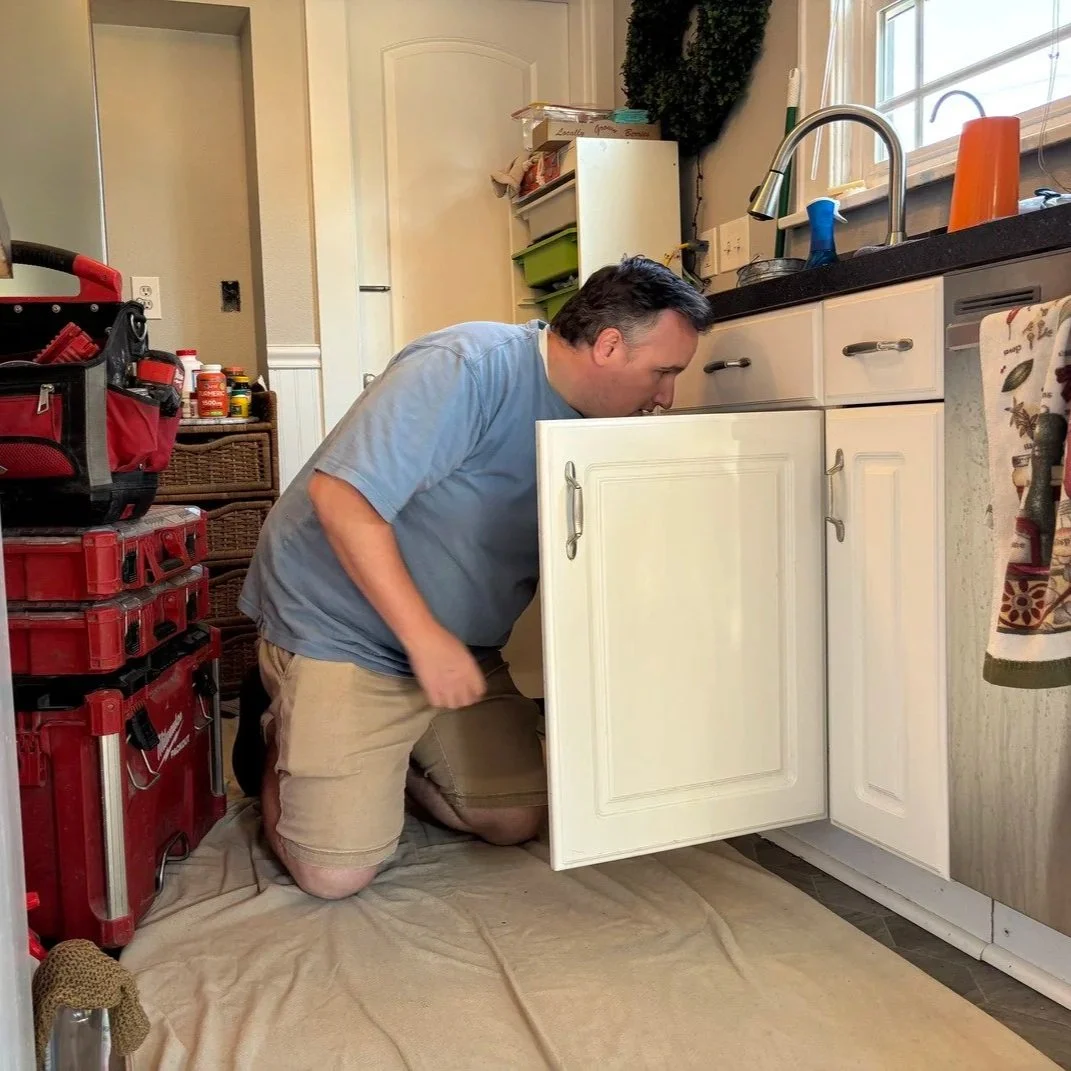
Tank units are reliable workhorses, holding gallons of hot water ready to go.
Water heaters don't typically spark dinner-table conversation—until they stop working. Then, suddenly, everyone in the house cares deeply about hot water. When it comes to replacement or new construction, homeowners often weigh two main options: traditional tank-style water heaters and tankless models.
Both have their strengths. Tank units are reliable workhorses, holding gallons of hot water ready to go. Tankless models heat water on demand and take up less space. Choosing between them depends on usage patterns, home layout, and long-term efficiency goals. Professionals walk homeowners through the decision based on real-world needs—not just brand marketing.
The Trusted Reliability of Tank Water Heaters
Tank water heaters have served as the household standard for decades. They work by storing heated water in a large reservoir—usually between 30 and 80 gallons—keeping it hot and ready for whenever someone needs a shower, does laundry, or runs the dishwasher.
Installation involves connecting the unit to the home's water lines, gas or electric supply, and ventilation system. For gas units, proper flue piping is essential for safety. For electric units, load calculations and breaker capacity are significant. Professionals also install expansion tanks and temperature-pressure relief valves to keep the system running safely and efficiently.
These systems offer simplicity and familiarity. When sized properly, they meet daily demand with minimal fuss. Routine flushing and maintenance help extend their lifespan and improve energy usage over time.
Why Some Homes Benefit from Tankless Upgrades
Tankless water heaters bring a more modern approach to hot water delivery. Rather than storing water, they heat it as it passes through the unit. That means no standby energy loss and no running out of hot water mid-shower.
Installation is a bit more involved. Most tankless units require upgraded gas lines or an upgraded electrical service due to their higher on-demand energy draw. Venting may also need to be modified to accommodate a direct-vent or concentric system.
Professionals carefully assess water flow rates and the required temperature rise before installation. Undersized units cause frustration. Oversized systems waste energy. The right fit keeps showers hot, appliances running, and bills under control.
Tankless water heaters are especially appealing for smaller homes, vacation properties, or households looking to reduce utility costs over time. They also free up floor space, which doesn't hurt in a tight mechanical room.
Understanding Load Demands and Flow Rates
Choosing a water heater isn't just about the size of the home—it's about how hot water is used throughout the day. A family of five with two bathrooms and a laundry-happy routine has very different needs than a retired couple who rarely use the guest tub.
Tank units are measured in gallon capacity and recovery rate. Tankless units are measured by flow rate (gallons per minute) and the required temperature rise. Professionals calculate how many fixtures can be used at the same time—such as a shower and a washing machine—and select a unit that can handle the demand without strain.
Installation teams also evaluate existing plumbing to avoid bottlenecks. Old galvanized pipes or undersized lines can choke performance. Upgrading plumbing during installation helps water heaters perform as promised.
Energy Efficiency Without the Hype
Energy efficiency often drives the tank vs. tankless debate. Tankless units don't keep water hot when it's not being used, which avoids standby losses. That said, modern tank heaters have improved significantly, with better insulation and smarter thermostats.
Professionals break down expected energy usage based on each home's habits. In some cases, a high-efficiency tank model offers better long-term value than retrofitting a tankless system into a home not designed for it.
Many homeowners ask about rebates or tax incentives tied to efficiency. Professionals stay current on local programs and manufacturer offers, helping homeowners choose a system that performs well and qualifies for any available savings.
Water Quality Matters More Than People Think
Hard water shortens the life of any water heater—tank or tankless. Minerals build up inside the tank or coat the heat exchanger, forcing the system to work harder and wear out faster.
During installation, professionals often recommend water softeners or scale reduction filters for areas with known mineral content. For tank systems, regular flushing keeps sediment at bay. For tankless models, periodic descaling is part of basic care.
Addressing water quality early protects the investment and avoids those "why is the water lukewarm again?" calls months down the road.
Proper Venting for Safety and Performance
Gas-powered water heaters require careful venting. Improper installation can lead to dangerous carbon monoxide buildup or poor combustion.
Tank units often use vertical venting through a flue, while tankless units may require sidewall venting or direct vent systems. Combustion air intake, clearance from combustibles, and proximity to windows or doors all factor into vent design.
Professionals handle these details from start to finish, including code-compliant venting materials, firestopping where necessary, and slope for condensate management in high-efficiency units. That level of attention helps the system operate safely and efficiently year-round.
Smart Accessories That Add Comfort and Savings
Today's water heaters can do more than just heat water. Accessories like recirculation pumps reduce wait times at distant fixtures. Mixing valves offer greater control over water temperature and help stretch tank capacity. Leak detectors add peace of mind, especially in upper-floor installations.
Professionals install these components during the main job, preventing future disruption. They also set up smart thermostats or app-based controls where compatible, giving homeowners more insight into usage and performance.
Every accessory gets tested before leaving the job site. No surprises, no mystery beeping in the middle of the night—just reliable hot water with a few perks.
Installation That Respects the Home
Installing a water heater isn't just about plumbing and wires. It's about moving a large, heavy appliance through doorways, up or down stairs, and into tight mechanical closets without damaging flooring or trim.
Professionals prepare each site carefully. Old units are drained and removed with care. New units are brought in with protective padding where needed. Drop cloths, hand trucks, and even a bit of furniture juggling may be involved.
Once the unit is in place, everything is leveled, strapped, and secured to code. Valves are tested, gas lines are leak-checked, and electrical connections are inspected before power is restored. Every detail gets checked, double-checked, and documented before anyone takes their first post-installation shower.
Why Local Codes Matter
Water heater installation isn't universal. Different municipalities have different codes. Some require seismic strapping. Others demand drain pans, vacuum breakers, or thermal expansion tanks.
Professionals know the local requirements and build them into every job. Cutting corners leads to failed inspections—or worse, performance problems that could've been avoided.
Permits are pulled where required, and installations are documented properly. When the job's done right, there's no need for last-minute scrambles to "make it look right" for the inspector.
Planning for Future Maintenance
Water heaters may be out of sight, but they shouldn't be out of mind. Professional installation includes walk-throughs with the homeowner so they understand basic operation, shutoff points, and maintenance needs.
For tank units, flushing the system once or twice a year keeps sediment under control. For tankless systems, descaling helps maintain performance. Filters are checked, thermostats are explained, and safety features are reviewed.
Professionals also offer routine service schedules or reminders to keep things running smoothly. A little upkeep goes a long way toward long-lasting efficiency—and fewer surprises during the morning rush.
The Right Water Heater Makes Every Shower Better
Hot water might be easy to take for granted, but nothing derails a morning like an unexpected cold shower. Professional water heater installation—whether tank or tankless—keeps that experience consistent, efficient, and frustration-free.
From the first pipe fitting to the final thermostat check, every detail plays a part in long-term performance. When it's done correctly, the result is simple: steady, hot water, lower energy bills, and fewer household arguments over who used it first.
PEX Plumbing and Repiping specializes in providing water heater installation (tank and tankless), water heater replacement, expansion tank installation, and hot water recirculation system installation services in Portland, Hillsboro, Beaverton, Vancouver, WA, and surrounding areas. Our team of licensed, bonded, and insured professionals offer trusted solutions and transparent quotes. We only work with trusted products and brands. Call today to request a free estimate.
