
PEX vs Copper: Which Is Best For Repiping in Hillsboro, OR?
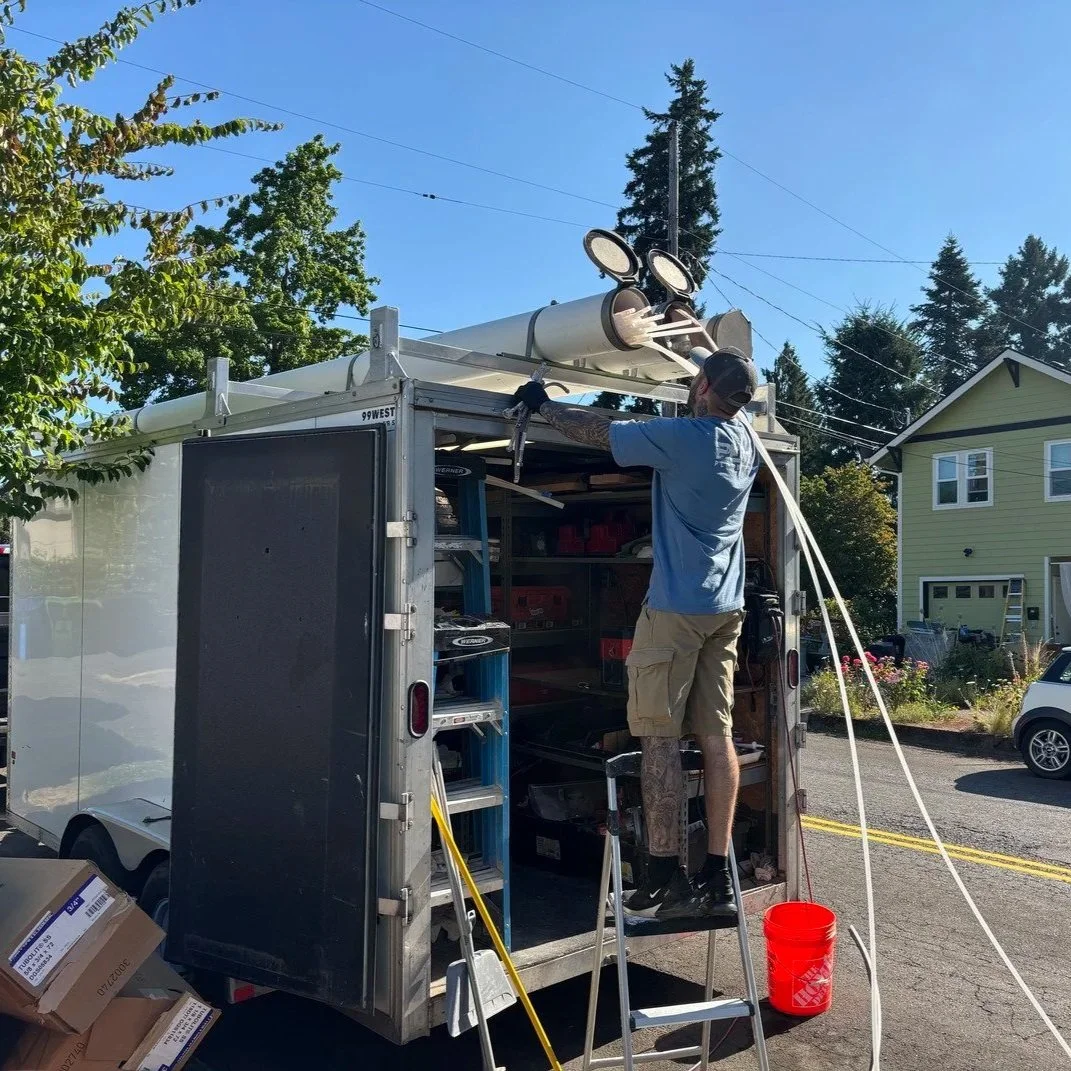
PEX and copper pipes side by side, illustrating repiping choices, installation differences, and durability considerations for Hillsboro homes.
Understanding Why Repiping Material Choice Matters
Choosing between PEX and copper for a full repiping project affects far more than the pipes hidden behind walls. The material selected influences installation methods, long-term durability, water quality behavior, maintenance expectations, and how the system responds to local conditions over time. In Hillsboro, OR, many homes reach a point where their original plumbing materials struggle to keep up with modern demands. Repiping becomes a practical decision, but the material choice determines how well that investment performs over decades rather than years.
Homeowners often approach the decision with assumptions shaped by experience or general reputation. Copper carries a long history of reliability, while PEX represents a newer generation of plumbing technology. Both materials serve legitimate roles, but neither functions identically across all homes and conditions. Understanding how each performs in real-world Hillsboro environments provides clarity beyond surface-level comparisons and helps homeowners make decisions based on fit rather than familiarity.
Material Composition And How Each System Works
Copper piping uses rigid metal tubing joined through soldered or press-fit connections. Water travels through fixed-diameter pipes that rely on precise installation and support. Copper systems hold their shape and tolerate high temperatures well, which historically made them the standard for residential plumbing. Their rigidity, however, requires numerous fittings to navigate corners and obstacles, increasing potential connection points throughout the system.
PEX piping uses flexible cross-linked polyethylene tubing that bends around corners and adapts to structural pathways with fewer fittings. Connections rely on mechanical fittings rather than soldering. The flexibility reduces stress points and simplifies routing, especially in homes with tight framing or limited access. In Hillsboro homes where crawl spaces and interior walls create routing challenges, PEX adapts more easily to existing structures without extensive demolition.
Installation Process And Labor Considerations
Installation differences between copper and PEX influence project scope, duration, and disruption. Copper repiping requires cutting, cleaning, fitting, and joining each segment individually. Open flames or press tools introduce safety considerations, particularly in confined spaces or near combustible materials. Installation often requires more wall access due to rigid pipe lengths and joint placement.
PEX repiping typically installs faster because flexible tubing allows longer continuous runs. Fewer joints reduce installation time and lower the chance of installation errors. In Hillsboro homes where occupants remain present during repiping, reduced labor time and wall access matter. Faster installation does not indicate lower quality but reflects how material properties streamline the process when handled by experienced professionals.
Performance Under Hillsboro Water Conditions
Local water chemistry plays a significant role in the aging of piping materials. Hillsboro water contains minerals that interact differently with copper and PEX. Copper reacts chemically with water over time, which can lead to internal corrosion under certain conditions. Pinholes and thinning walls often appear after years of exposure, particularly when water chemistry fluctuates seasonally.
PEX resists corrosion entirely because it does not react chemically with water. Mineral content does not degrade the pipe wall, allowing a consistent internal diameter over time. In Hillsboro homes experiencing pressure drops caused by aging copper, PEX often restores flow by eliminating internal restriction. Understanding how materials respond to local water conditions helps predict long-term performance rather than relying on general reputation.
Durability And Lifespan Expectations
Copper piping historically earned its reputation through decades of service in residential systems. When conditions remain ideal, copper can last many years. However, lifespan varies widely depending on installation quality, water chemistry, and environmental factors. Hillsboro homes with copper installed during certain eras often experience premature failure due to thinning and corrosion.
PEX offers predictable durability because it does not corrode or pit internally. Modern PEX products have long lifespans when installed correctly. Flexibility allows PEX to expand and contract without cracking, reducing stress over time. In climates like Hillsboro that experience seasonal temperature changes, this adaptability contributes to consistent long-term performance.
Resistance To Freezing And Temperature Changes
Temperature response represents another key difference between PEX and copper. Copper remains rigid under temperature changes and may burst if water freezes inside the pipe. Even brief freezing events create risk when pipes run through exterior walls or unconditioned spaces.
PEX expands slightly when frozen and typically returns to shape once thawed, reducing burst risk. While freezing still poses concerns for fixtures and fittings, PEX tolerates temperature fluctuations better overall. In Hillsboro homes with crawl spaces or attic runs exposed to cooler temperatures, this resilience provides additional protection against seasonal stress.
Water Pressure And Flow Characteristics
Copper piping maintains its internal diameter consistently when new, resulting in strong initial flow. Over time, corrosion and scale buildup reduce the internal diameter, leading to pressure loss. Homes with older copper often experience uneven pressure across fixtures as restrictions develop unpredictably.
PEX maintains smooth interior walls that resist buildup, preserving flow characteristics throughout its lifespan. Flexible routing also enables system designs that better balance pressure. In Hillsboro households with multiple bathrooms or simultaneous water use, PEX systems often deliver more consistent pressure across fixtures when designed correctly.
Noise And Vibration Behavior
Noise behavior differs noticeably between materials. Copper transmits vibration easily, which can lead to water hammer and audible pipe movement. Expansion and contraction create ticking sounds as copper shifts within the framing. Over time, these noises become more noticeable as supports loosen or pipe walls thin.
PEX absorbs vibration due to its flexibility, reducing noise transmission through walls. Water hammer occurs less frequently because PEX flexes slightly under pressure changes. In Hillsboro homes where quiet operation matters, particularly in multi-level layouts, reduced noise contributes to daily comfort.
Connection Reliability And Leak Risk
Copper connections rely on soldered or press-fit joints. Installation quality plays a significant role in joint reliability. Improperly cleaned or heated joints may fail years later, often behind walls. Each fitting introduces a potential failure point.
PEX systems use mechanical fittings designed for flexibility and movement. Fewer fittings reduce the total number of joints. Properly installed PEX connections maintain integrity even as the structure shifts slightly over time. In Hillsboro homes where settling and minor movement occur, reduced joint stress supports long-term reliability.
Health And Water Quality Considerations
Copper interacts with water chemistry, which can affect taste and metal content. While copper remains safe within regulatory limits, corrosion can increase its concentration in water under certain conditions. Some homeowners notice a metallic taste as copper ages.
PEX does not introduce metal into water. Modern PEX products meet safety standards for potable water use. Initial flushing removes manufacturing residues, after which water quality remains stable. Hillsboro homeowners concerned about long-term water consistency often consider this difference when choosing materials.
Repair And Modification Flexibility
Future modifications remain easier with PEX due to its flexibility and connection methods. Adding fixtures or rerouting lines typically requires less wall access and labor. Copper modifications often require cutting rigid sections and adding fittings, increasing complexity.
Homes in Hillsboro frequently undergo incremental updates over time. Choosing a material that accommodates future changes reduces disruption later. Flexibility in modification becomes an advantage as household needs evolve.
Cost Considerations Without Short-Term Focus
Material cost differences influence overall repiping expense, but labor and restoration dominate the total cost. Copper material costs fluctuate with metal markets and often exceed PEX. Installation labor for copper tends to run higher due to complexity.
PEX repiping typically costs less upfront due to reduced labor time and material expense. However, cost decisions should consider long-term performance rather than initial savings alone. In Hillsboro homes planning decades of ownership, material choice affects total lifecycle value rather than just installation cost.
Installation Disruption And Impact On Daily Living
Material choice affects how disruptive a repiping project feels during work. Copper repiping often requires more wall openings because rigid pipe lengths and joint placement limit routing flexibility. Installers may need to access multiple wall cavities to navigate corners and transitions, especially in homes with complex layouts. In Hillsboro houses with finished interiors, this can translate into more drywall repair and longer periods of visible work areas throughout the home.
PEX repiping typically reduces disruption because flexible tubing allows longer continuous runs through fewer access points. Installers can route lines through framing cavities, crawl spaces, and attics with minimal wall penetration. Reduced access points shorten project timelines and limit restoration needs. For Hillsboro homeowners who remain in their homes during repiping, this difference affects comfort, noise exposure, and how quickly normal routines resume.
Environmental And Structural Movement Tolerance
Homes see subtle movement over time due to soil conditions, moisture changes, and seasonal temperature shifts. Copper responds poorly to movement because rigidity transfers stress directly to joints and fittings. Even small shifts may create micro fractures or joint fatigue that develop into leaks years later. In older Hillsboro neighborhoods with varying soil composition, this movement becomes more noticeable over time.
PEX tolerates movement more effectively because flexibility absorbs stress rather than resisting it. Tubing bends slightly as framing shifts, reducing strain at connection points. Over long ownership periods, this tolerance contributes to system stability. Homes with crawl spaces or additions built at different times benefit from materials that adapt rather than resist structural change.
Long-Term Maintenance Expectations
Copper systems often require monitoring as they age. Corrosion develops invisibly inside pipe walls, and failure may occur without warning. Spot repairs extend life temporarily but do not reverse systemic degradation. Hillsboro homeowners with aging copper frequently experience repeated leaks in different locations, each repair addressing symptoms rather than the cause.
PEX systems require minimal maintenance once installed properly. Corrosion does not occur, and the internal diameter remains consistent. Visual inspection of accessible connections suffices for routine oversight. Reduced maintenance demands appeal to homeowners seeking predictability rather than ongoing vigilance.
Compatibility With Modern Plumbing Fixtures
Modern fixtures rely on stable pressure and precise flow control. Copper systems may struggle to deliver consistent performance as internal corrosion progresses. Pressure fluctuations become more noticeable with low-flow fixtures designed for efficiency.
PEX systems maintain stable flow characteristics that align well with modern fixtures. Balanced routing supports simultaneous use without dramatic pressure loss. In Hillsboro homes upgraded with contemporary bathrooms and appliances, compatibility with modern demand influences satisfaction long after installation.
Fire And Heat Exposure Considerations
Copper resists high heat and remains noncombustible, which historically favored its use near heat sources. PEX, while designed for residential temperatures, requires proper separation from direct heat exposure. Professional installation accounts for these requirements through routing and protective seeves.
In Hillsboro homes, proper installation eliminates practical differences in fire safety. Both materials perform safely when installed according to standards. Understanding that heat exposure relates more to installation practices than material choice helps homeowners focus on contractor quality rather than fear-based assumptions.
Resale Perception And Buyer Expectations
Buyer perception varies by region and market awareness. Copper often benefits from name recognition, while PEX represents modern efficiency to informed buyers. In Hillsboro’s housing market, documented professional installation matters more than material alone.
Buyers value updated systems that reduce risk. Clear records, permits, and inspection approvals reassure buyers regardless of material. Homes with professionally installed PEX often compete favorably because buyers recognize reduced maintenance risk and modern performance.
Making The Right Choice For Your Hillsboro Home
Choosing between PEX and copper involves balancing familiarity, performance, installation impact, and long-term expectations. Copper suits homeowners prioritizing tradition and heat resistance in specific scenarios. PEX aligns with those seeking adaptability, reduced disruption, and predictable long-term performance.
Hillsboro homes benefit from material choices that reflect local conditions, layout, and ownership plans. Evaluating these factors holistically leads to decisions grounded in suitability rather than assumption.
FAQs
PEX often performs better in older Hillsboro homes due to flexibility, corrosion resistance, and reduced wall access during installation. Copper may struggle with existing corrosion and rigid routing challenges.
Copper lifespan varies widely based on water chemistry and installation quality. PEX offers more predictable longevity because it does not corrode or thin internally over time.
Homes with aging copper often see improved pressure after switching to PEX due to the elimination of internal corrosion and more balanced routing.
Modern PEX products meet safety standards for potable water use. Proper installation and flushing support stable water quality in the long term.
Copper typically costs more due to higher material prices and longer labor time. PEX repiping generally delivers lower overall installation cost with comparable or better performance.
PEX Plumbing and Repiping is a trusted specialist offering repiping service, whole-house repiping, repiping of hot and cold water lines, and repiping of galvanized, copper, or polybutylene pipes for homeowners in Portland, Hillsboro, Beaverton, Vancouver, WA, and surrounding areas. Fully licensed, bonded, and insured. Count on us for fast turnaround times and clean and efficient service. Request a free quote today.
