
Reconnecting Fixtures with Precision After Complete Repiping
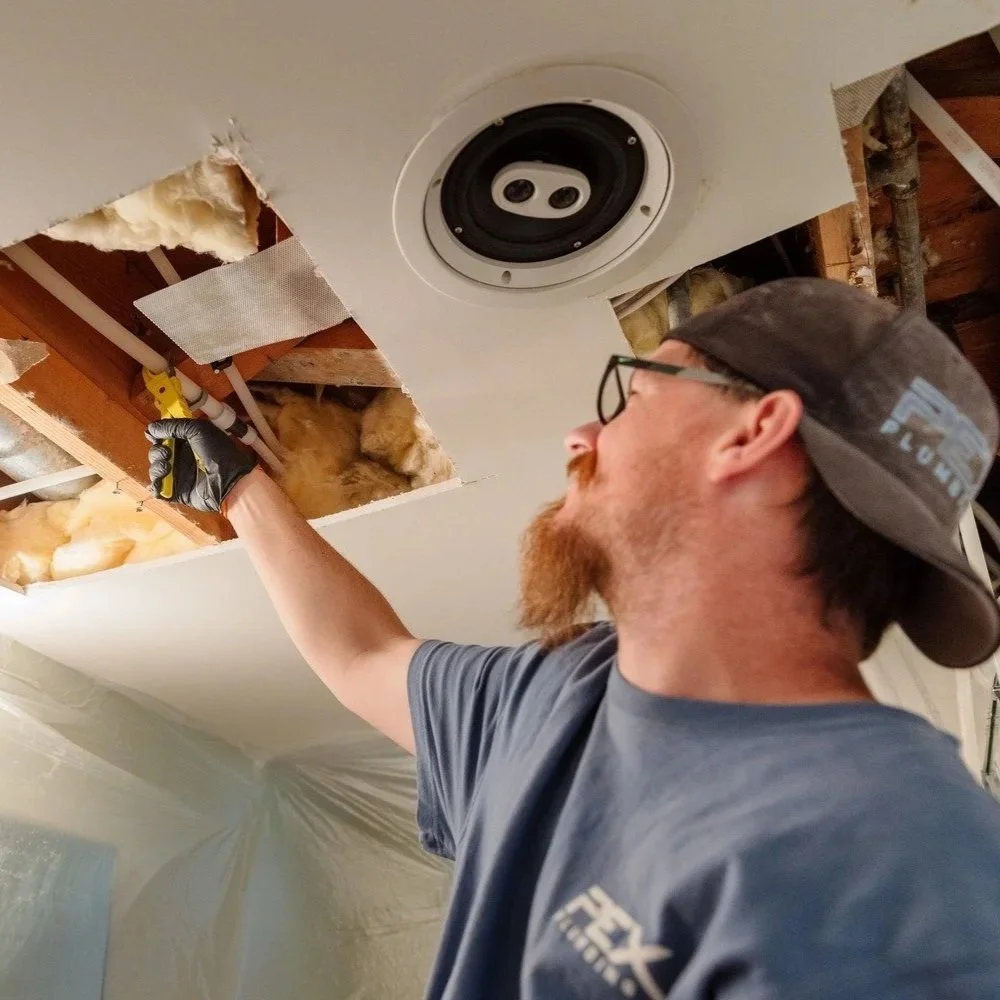
Once all new pipes are in the walls, under the floors, and behind the scenes, the spotlight shifts to the visible components.
A home repipe isn't finished until every last sink, toilet, and showerhead is back in place and functioning like a charm. Reconnecting fixtures after a complete repipe isn't just a button-up phase—it's a precision step that directly affects water pressure, sealing integrity, fixture longevity, and household sanity. When professionals handle fixture reinstallation post-repiping, they're not just twisting on fittings. They're calibrating a complex water delivery system to hum in perfect sync with your lifestyle.
Once all new pipes are in the walls, under the floors, and behind the scenes, the spotlight shifts to the visible components. Faucets, hose bibs, and toilets—these aren't just functional; they're the daily interface between you and your plumbing system. Done right, they work quietly and efficiently. Done wrong, and you're hearing drips, spotting leaks, and calling someone back before the paint even dries.
Assessing Fixture Compatibility With New Piping
Modern piping materials like PEX or copper often feature different thread types, diameters, and connection styles than older systems. That means some fixtures need adapters—or sometimes flat-out replacement. Experienced plumbers know to assess compatibility before a wrench ever touches a faucet. They'll verify whether your vintage clawfoot tub filler plays nicely with the new supply lines or if that kitchen sink sprayer needs a quick upgrade to fit the modern plumbing setup.
Sometimes homeowners want to reuse fixtures to preserve aesthetics or keep costs low. Other times, they take the opportunity to repipe and refresh fixtures with sleek, water-efficient upgrades. Either way, aligning fixture types with pipe specs is critical to prevent cross-threading, low flow, or awkward gaps that throw off the room's vibe.
Securing Leak-Free Connections For Long-Term Reliability
A major part of fixture reinstallation post-repiping involves achieving tight, leakproof seals. That's where attention to detail meets muscle memory. Every connection gets the white-glove treatment—Teflon tape applied with the right number of wraps, compression fittings tightened to torque spec, and gaskets double-checked before anything's called done.
Professional plumbers use an internal checklist that includes water-pressure tests, visual inspections for slow drips, and, often, a tissue test under connections to spot the subtlest moisture. They'll even test how a fixture behaves under heavy use—flicking faucets on and off, flushing repeatedly, and watching for any signs of trouble. No guesswork. Just predictable results.
Testing Fixtures After Reconnection
After everything's snug and dry, testing goes beyond watching water flow. It includes checking hot/cold directionality, verifying aerator performance, and monitoring for backflow issues or weird noises. A faucet that hisses or spurts might indicate trapped air in the lines. A toilet with an inconsistent fill might signal a misaligned valve or debris in the tank.
Skilled plumbers approach this stage like a final exam—meticulous and unforgiving. They'll run water through each fixture, inspect under the sink for leaks, and, when needed, confirm water temperature with handheld thermometers. Fixture reinstallation after repiping isn't about turning the water back on and walking away. It's a performance check, with each fixture having to prove it can keep up with daily life.
Reconnecting Specialty Fixtures With Care
Some plumbing fixtures have quirks, like thermostatic mixing valves in high-end showers or filtered water taps in the kitchen. Others involve built-in electronics, such as touchless faucets or bidet-style toilets with heated seats and wash functions. These deserve their own moment in the spotlight during reinstallation.
Professionals follow the manufacturer's instructions for these intricate components down to the letter. Electrical outlets may need verification. GFCI protection could require updating. And calibration steps—like setting max temperature on a thermostatic valve—must be dialed in perfectly. Specialty fixtures shouldn't be treated like standard hardware. They're high-maintenance housemates that demand expert attention.
Upgrading Fixtures During Repipe Projects
Many homeowners seize the opportunity during a whole-house repipe to modernize outdated fixtures. Swapping an old chrome faucet for a matte black showpiece or replacing basic showerheads with luxurious rain-style models is a common move. The repipe provides a clean slate—no mineral buildup, no crusty threads, no weird water discoloration that tarnishes brand-new finishes.
Plumbers often bring in a catalog of compatible, quality-tested fixtures to recommend during the upgrade. They'll factor in flow rates, water pressure, and fixture lifespan—plus the homeowner's aesthetic goals. The result? A coordinated system where beautiful fixtures function just as beautifully as they look.
Preventing Damage To Finishes And Surroundings
Reattaching fixtures in bathrooms and kitchens involves a balancing act. One wrong move and a wrench slips, scuffing tile, chipping a countertop, or scratching that brand-new faucet finish. Pros arrive armed with soft cloths, rubber-jawed tools, and painter's tape to protect surfaces while they work.
They'll also control water pressure during initial tests to prevent sudden bursts that could soak cabinetry or drywall. It's a meticulous process, often involving two sets of hands—one to position the fixture, another to tighten and test. The goal is to finish without a single sign anyone was ever there, aside from the fact that everything works better than ever.
Documenting Changes For Future Reference
A professional plumber wraps up a repipe with more than a handshake. They leave behind notes, diagrams, or photos that mark the locations of key shut-off valves, the routing of the pipes, and which fixtures were reconnected or replaced. This documentation matters.
If a future remodel calls for shifting a sink or adding a second showerhead, knowing the current configuration speeds everything up. Homeowners also benefit from having a record for home insurance or resale conversations. It's not just about clean plumbing—it's about smart ownership.
Why Fixture Reinstallation Should Always Be Left To The Pros
The temptation to DIY a few faucet reconnections can be strong—especially after watching the repipe process from the sidelines. But fixtures aren't plug-and-play. Misalign a compression fitting, overtighten a toilet supply line, or overlook a gasket, and problems can pop up fast.
Professional plumbers bring the skills, tools, and judgment to get every reconnection just right. They know how to work in tight spaces, handle unusual angles, and keep water flowing smoothly through every outlet in the house. No drips. No stains on the ceiling. No midnight surprises.
They also troubleshoot as they go. If a fixture rattles, they'll find the cause. If a valve doesn't seat right, they'll swap it before it causes trouble. There's no need for guesswork when trained hands handle every step with precision.
The Finishing Touches That Matter
Little things make a big difference. Adjusting faucet handles so they align perfectly, sealing escutcheons flush to the wall, and checking that handles turn smoothly without any resistance—those are the quiet details that separate an average job from an excellent one. Even applying a dab of plumber's grease to moving parts can add years to a fixture's lifespan.
Many plumbers also take time to walk homeowners through the reinstalled fixtures. They'll explain any upgraded features, point out shut-off valve locations, and answer every question about water flow, temperature, or usage. That extra attention creates trust—and helps homeowners feel confident that everything is solid behind the scenes.
Ready-To-Use Fixtures, Without A Single Worry
When a repipe wraps up with expert fixture reinstallation, homeowners walk back into a fully functioning space. They turn the faucet and see crystal-clear water at the perfect pressure. They flush the toilet and hear nothing but a smooth whoosh. And they know that behind every sleek fixture is a rock-solid connection built for the long haul.
From assessing compatibility to sealing the final joint, reconnecting fixtures after a complete repipe is where craftsmanship and care truly shine. It's not just plumbing—it's finishing strong. And when the final piece clicks into place with a perfect fit, that's the sound of peace of mind flowing straight through the pipes.
Get expert interior plumbing and fixture solutions, fixture reinstallation post-repiping, shower valve installation and replacement, and spot repairs for copper or plastic water lines with PEX Plumbing and Repiping. Serving the homeowners in Portland, Hillsboro, Beaverton, Vancouver, WA, and surrounding areas, our licensed, bonded, and insured plumbers ensure improved comfort, water efficiency, and functionality. Call today.
