Targeted Repairs for Damaged Copper and Plastic Water Lines
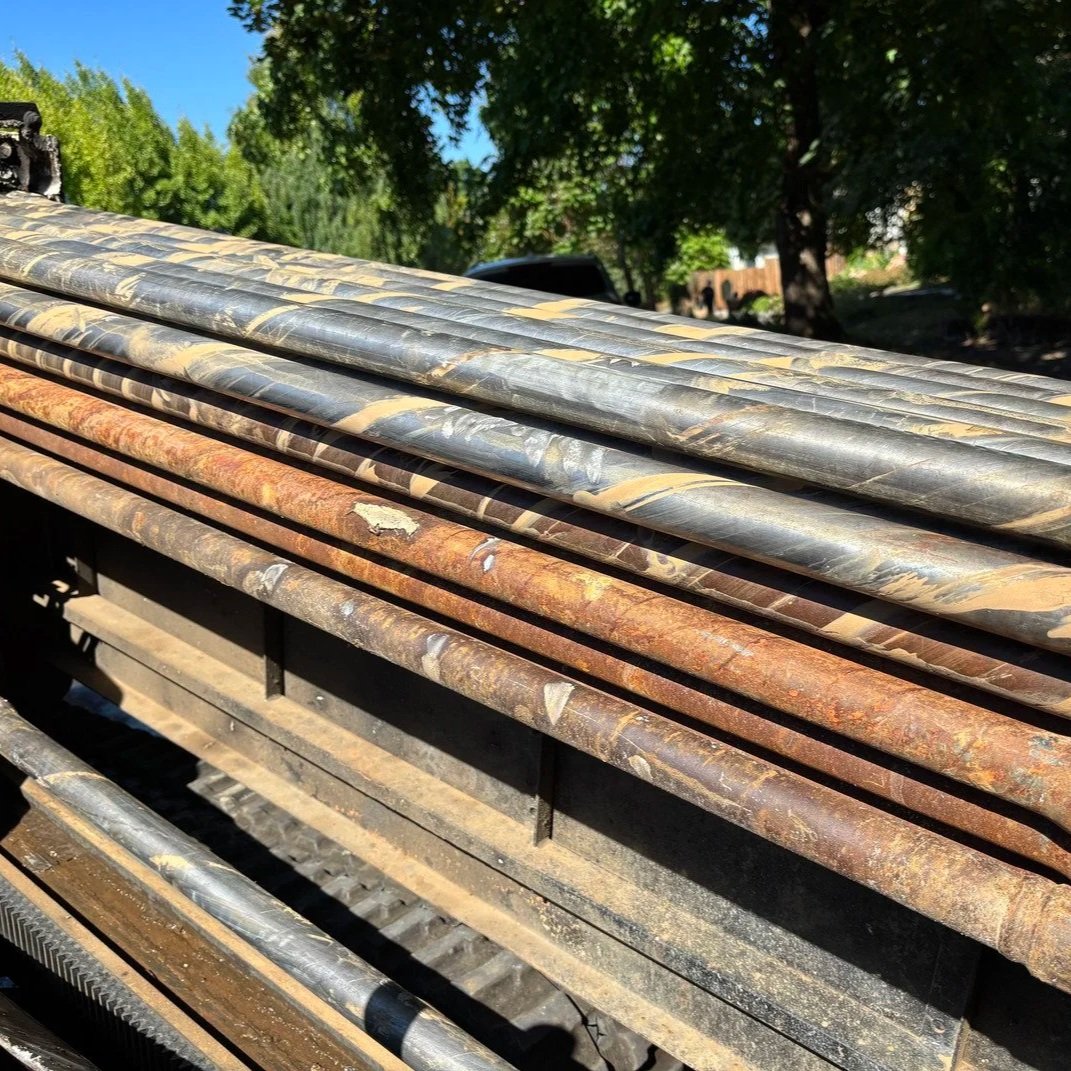
Professionals trained in spot repairs for copper or plastic water lines treat these subtle signs like breadcrumbs.
Water line issues usually don’t come screaming through the walls. They creep in, quiet leaks under the slab, discolored water at the tap, or a spongy patch in the drywall. Professionals trained in spot repairs for copper or plastic water lines treat these subtle signs like breadcrumbs. Every symptom tells a story, and before any tool comes out of the truck, it’s detective time.
Copper pipes can suffer from pitting corrosion, high water acidity, or electrolysis, especially if there's a grounding issue. Plastic lines, like PEX or CPVC, face their own challenges. UV exposure, thermal expansion, rodent chewing (yes, really), or manufacturing defects can all lead to failures. The fix isn’t just about patching the visible leak—it’s about finding the root cause and addressing the problem in context. A repair without a reason is a ticking time bomb.
Precision Spot Repairs That Solve More Than Surface Leaks
When a single water line springs a leak, it doesn’t always mean ripping out half the ceiling or demoing the kitchen wall. Spot repairs allow licensed plumbers to isolate the issue and surgically correct it with minimal disruption. Whether working with copper or plastic, the process starts with clean access—cutting precisely, not hacking away.
Copper pipe repairs often involve cutting out the damaged section and sweating in new copper using lead-free solder. For more modern approaches, press fittings or push-to-connect couplings may step in. Plastic line repairs lean on barbed fittings and crimp rings or solvent welding, depending on the material. Every connection, every cut, and every measurement is deliberate. No guesswork. No shortcuts.
When Repairs Beat Full Replacements
There’s a time and place for full repiping, but not every leak needs a total overhaul. Spot repairs for copper or plastic water lines make financial and logistical sense in many cases. Small sections of damaged pipe—like a copper elbow pinhole or a kinked PEX run—can be removed and replaced without disturbing the rest of the system.
It’s all about scope and confidence. If the surrounding piping is healthy, stable, and within its expected lifespan, targeted repair wins the day. Homeowners avoid unnecessary demolition. The job moves faster. And the wallet breathes a sigh of relief.
Tools Of The Trade For Seamless Repairs
Behind every efficient repair is a toolbox that might as well be a surgical kit. Pipe cutters, deburring tools, torches, expansion tools, and pressure gauges all play a role. Professionals don’t show up with one wrench and wishful thinking—they come equipped for any pipe material, diameter, and configuration.
For copper repairs, precision matters down to the millimeter. A joint that’s even slightly out of alignment can result in stress fractures or weeping seams. For plastic, it's all about the correct tool for the fitting system. Expansion tools for PEX-A, crimpers for PEX-B, and chemical welders for CPVC. The goal is consistency, not improvisation.
And let’s not forget the importance of pressure testing. After the new section is installed, the line gets pressurized—not just to check for leaks, but to simulate real-world use. Because a repair is only as good as how it holds up when the dishwasher, shower, and washing machine all demand water at the same time.
Working With What’s Behind The Walls
Repairing a pipe is one thing. Getting to it without destroying half the house? That’s where real experience shines. Plumbing professionals know how to make surgical cuts in drywall or ceiling tiles to expose the problem area cleanly and efficiently. They may use inspection cameras to pinpoint the leak before ever opening up a wall.
Once the damaged area is visible, containment comes next. Protective cloths, vacuum-equipped saws, and water-catching trays help keep the area neat and safe. The goal is not just to fix the leak, but to treat the space like it’s still someone’s living room—not a worksite.
Once the repair is complete, many plumbers also patch up the area or coordinate with drywall pros so there’s no visual reminder of the drama behind the wall. The leak disappears, the surface looks untouched, and life goes back to normal.
Dealing With Unexpected Surprises
Every now and then, a seemingly simple repair uncovers something stranger—galvanized pipe mixed with copper, improper connections, or pipes that were buried directly in concrete with no insulation. Experienced plumbers know how to adapt quickly. They don’t panic, and they certainly don’t patch over bad decisions from the past.
In cases where a single repair becomes a warning sign of larger issues, homeowners get clear, professional feedback. Maybe it's time to reroute a line, isolate a section, or add protective sleeves. The point isn’t to upsell—it’s to give the system a real chance at long-term stability. Water lines don’t like shortcuts, and neither do licensed pros.
Matching Materials For Compatibility And Longevity
Not all water lines are created equal. Mixing metals without proper dielectric unions can lead to corrosion. Connecting flexible plastic lines to rigid pipe requires the right transitions. When professionals handle spot repairs, they match materials carefully to preserve the integrity of the system.
A copper-to-PEX transition might call for a special push-fit coupling with integrated inserts. CPVC repairs demand solvent cements that won’t crack or weaken over time. And every connection must meet code requirements—not just for safety, but for insurance and future inspections.
Compatibility extends beyond fittings. Temperature ratings, pressure tolerances, and water chemistry all influence repair choices. The same fix doesn’t work in every home. That’s why one-size-fits-all never flies in professional plumbing.
Spot Repairs Vs. Emergency Patching
Emergency patches like pipe wraps or epoxy clamps have their place—usually at 2 a.m. during a holiday weekend. But they’re not permanent fixes. A patch is a Band-Aid. A spot repair is surgery. Homeowners who try to ride out a leak with a temporary fix often end up with water damage and mold issues that dwarf the cost of the original repair.
Professionals distinguish between damage control and actual repair. They may use a clamp or temporary shut-off to stabilize a leak while planning a more permanent solution. But once the repair happens, the patch comes off and gets replaced with something that can stand the test of time.
When Spot Repairs Signal Bigger Concerns
Sometimes a single leak is just the start. If a copper line has one pinhole, others may not be far behind—especially in homes with acidic water or aggressive soil. If a plastic pipe has degraded from UV exposure in an attic, every other exposed section might be vulnerable.
Plumbers who perform targeted repairs also keep an eye on the bigger picture. If the system’s aging or showing signs of widespread wear, they’ll say so. The conversation might turn from a quick fix to a phased repiping plan that avoids future chaos. No surprises. No pressure. Just honest guidance based on experience and solid facts.
The Right Repair, Done The Right Way
Targeted pipe repairs aren’t just about stopping leaks. They’re about restoring confidence in the system. Homeowners want to turn on the faucet without wondering if a ceiling drip is waiting in the wings. A proper repair brings back peace of mind, without upending daily life.
From matching fittings to pressure testing every connection, professional plumbers work with precision. They adapt to materials, navigate surprises, and respect the space they’re working in. Most of all, they solve the problem completely—without passing it along to the next unlucky plumber or the homeowner’s wallet.
Maintaining System Health After Repair
Once the repair is complete, it doesn’t hurt to take a broader look at the plumbing system’s overall health. Water pressure that’s too high can stress repaired joints. Water with high mineral content can accelerate buildup. Professionals may recommend pressure regulators, filtration systems, or thermal expansion tanks—not as upsells, but as real tools to protect the investment.
For homeowners, knowing that the problem was fixed matters. For professionals, it’s about walking away from a job knowing it’ll stay fixed. Every line repaired is a promise made with pipe, sweat, and know-how. And when water flows clean and quiet through a newly patched section, it’s more than plumbing. It’s precision work, done exactly right.
PEX Plumbing and Repiping is a trusted specialist offering repiping service, whole-house repiping, repiping of hot and cold water lines, repiping of slab leaks, and repiping of galvanized, copper, or polybutylene pipes for homeowners in Portland, Hillsboro, Beaverton, Vancouver, WA, and surrounding areas. Fully licensed, bonded, and insured. Count on us for fast turnaround times and clean and efficient service. Request a free quote today.