
Understanding Hillsboro, OR Plumbing Codes for PEX Repiping
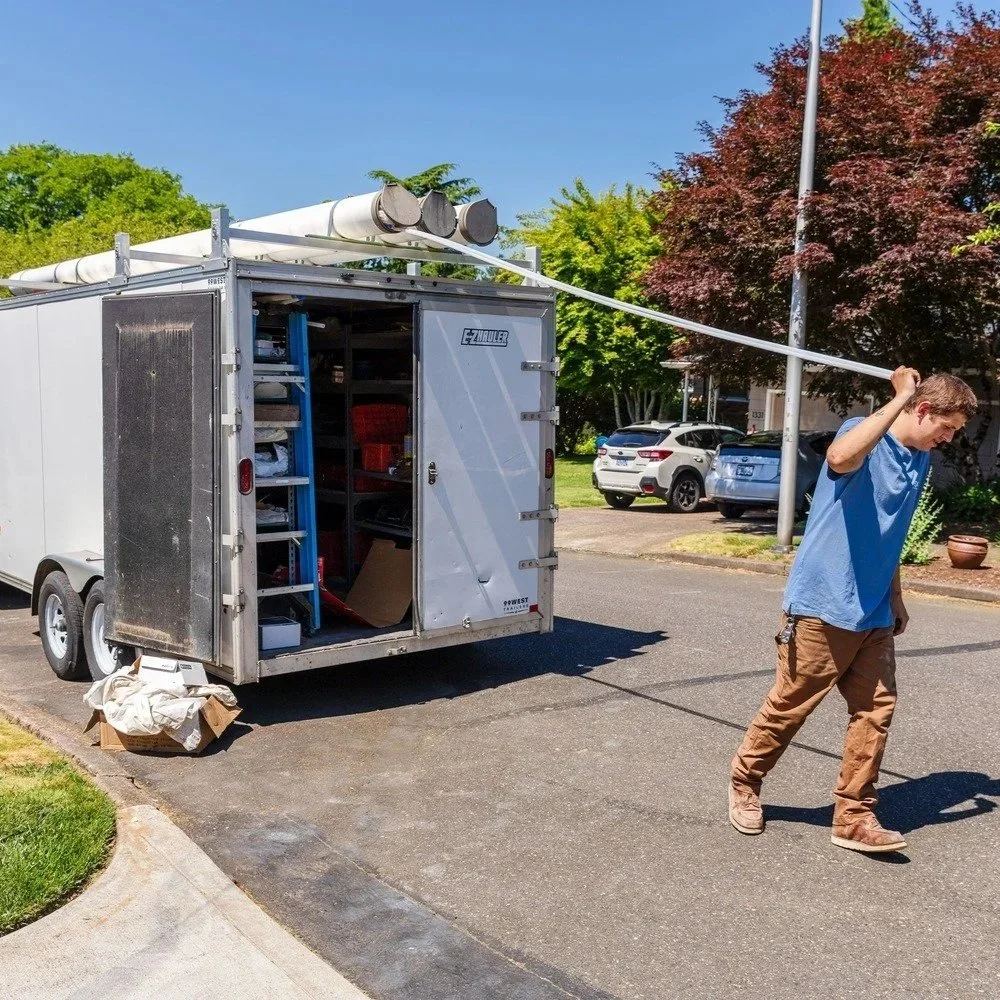
PEX repiping installation in Hillsboro home, showing plumbing pipes, local code compliance, and professional water system upgrades.
Why Local Plumbing Codes Matter More Than Homeowners Realize
Plumbing codes shape how repiping projects are planned, installed, inspected, and approved, yet many homeowners only encounter them when a project stalls or fails inspection. In Hillsboro, OR, plumbing codes exist to protect water quality, system reliability, and occupant safety across a wide range of housing types. These rules reflect lessons learned from decades of system failures, material performance issues, and public health concerns. When planning PEX repiping, understanding the local code environment helps homeowners avoid surprises that can delay projects or increase costs unexpectedly.
Local enforcement matters because Hillsboro plumbing codes adapt statewide standards to local conditions, housing stock, and inspection practices. What passes inspection in another city may not meet Hillsboro requirements exactly. Codes influence pipe sizing, routing, support spacing, shutoff placement, and connection methods. Ignoring these details can result in corrections after walls are opened, disrupting schedules and increasing the scope of restoration. Knowledge of local code requirements transforms repiping from a reactive repair into a structured upgrade with predictable outcomes.
How Hillsboro Plumbing Codes Interact With State Standards
Hillsboro plumbing codes operate within Oregon’s broader plumbing code framework while incorporating city-level enforcement practices. The Oregon Plumbing Specialty Code establishes baseline requirements for materials, installation methods, and safety standards. Hillsboro inspectors enforce these rules while also applying interpretations shaped by local building trends and common failure patterns observed in the area.
For PEX repiping, this means material approval alone does not guarantee compliance. Installation details must align with both state code language and Hillsboro inspection expectations. Inspectors focus on how systems perform as a whole rather than isolated components. Understanding this interaction helps homeowners recognize why professional installers emphasize planning and documentation rather than relying solely on material approval.
Permit Requirements For PEX Repiping Projects
PEX repiping in Hillsboro typically requires a plumbing permit, even when work occurs entirely within existing walls. Permits trigger inspections to verify installation quality and code compliance. Homeowners sometimes assume permits apply only to visible remodeling, but plumbing system changes affect water distribution and safety regardless of visibility.
Permit applications outline scope, material selection, and system layout. Inspectors use this information to anticipate inspection checkpoints during and after installation. Skipping permits may save time initially, but unpermitted work often creates complications during resale, insurance claims, or future renovations. Understanding permit requirements upfront helps homeowners budget time and resources realistically rather than reacting to enforcement later.
Approved PEX Materials And Certification Standards
Not all PEX products qualify for use under Hillsboro plumbing codes. Approved PEX tubing must meet recognized certification standards that verify pressure tolerance, temperature rating, and material consistency. Inspectors may request verification markings on tubing during inspection to confirm compliance.
Certification ensures that PEX materials perform reliably under Hillsboro water conditions and usage patterns. Using unapproved or improperly labeled materials may result in an inspection failure, even if the installation quality appears high. Homeowners benefit from confirming that installers use code-approved PEX products rather than assuming that all flexible tubing meets requirements. Material approval forms the foundation of code compliance rather than an optional detail.
Pipe Sizing Rules And Flow Requirements
Pipe sizing represents a core focus of plumbing codes because it directly affects system performance and fixture operation. Hillsboro plumbing codes specify minimum pipe diameters based on fixture count, layout, and anticipated demand. Undersized piping leads to pressure drops and inconsistent performance, while oversized systems waste material and complicate balancing.
PEX repiping designs must account for simultaneous fixture use rather than isolated demand. Inspectors evaluate whether the system design supports realistic household usage. Proper sizing also influences future modifications, as codes anticipate additional fixtures over time. Understanding sizing rules helps homeowners recognize why professional planning matters beyond simply replacing old pipes with new ones.
Support Spacing And Securing Requirements
PEX flexibility does not eliminate the need for proper support. Hillsboro plumbing codes specify maximum spacing between supports to prevent sagging, vibration, and long-term stress. Unsupported tubing may shift over time, increasing wear at connection points and causing noise issues.
Inspectors often check support placement closely during rough inspections. Proper securing also protects tubing from abrasion where it passes through framing. Homeowners unfamiliar with these requirements may underestimate the level of detail required by installation codes. Support rules exist to protect long-term system stability rather than create arbitrary hurdles.
Protection From Physical And Environmental Damage
Plumbing codes address how PEX must be protected from physical damage and environmental exposure. Tubing routed through framing requires protective plates where nails or screws could penetrate. Areas exposed to sunlight or heat sources require shielding or rerouting to prevent degradation.
In Hillsboro, homes with crawl spaces or attic runs require particular environmental protection. Inspectors verify that PEX remains shielded from potential hazards that could shorten its lifespan. These protections often remain invisible once walls close, but they play a critical role in long-term reliability. Understanding protection requirements helps homeowners appreciate the hidden value of compliant installation practices.
Shutoff Valves And Accessibility Standards
Plumbing codes emphasize access to shutoff valves for safety and maintenance. Hillsboro requires accessible main shutoffs and, often, fixture-level controls, depending on system design. During PEX repiping, installers may need to add or relocate valves to meet current standards.
Accessible shutoffs reduce damage during leaks and simplify future repairs. Inspectors evaluate whether homeowners can reasonably access valves without removing finishes or equipment. While additional valves increase installation scope slightly, they provide long-term convenience and reduced risk. Recognizing this requirement prevents surprise additions late in the project.
Inspection Process And What Hillsboro Inspectors Look For
The inspection process for PEX repiping in Hillsboro follows a structured sequence designed to verify both installation quality and long-term system safety. Inspections typically occur at key stages rather than only after completion. Rough inspections focus on pipe routing, support spacing, protection measures, and connection methods before walls are closed. Inspectors want clear visibility into how the system functions inside the structure, not just a finished appearance. Scheduling inspections at the correct stage prevents delays and costly rework once finishes are restored.
During final inspection, attention shifts to system performance and accessibility. Inspectors verify that shutoff valves function properly, fixtures operate as intended, and labeling meets code expectations. Pressure testing may be required to confirm system integrity. Hillsboro inspectors often assess the installation holistically, evaluating whether the system reflects professional planning rather than piecemeal execution. Understanding the inspection sequence helps homeowners anticipate timing, access needs, and why certain steps cannot be rushed without risking failure.
Common Code Violations Seen In PEX Repiping Projects
Many failed inspections stem from avoidable mistakes rather than complex code interpretations. Improper support spacing remains one of the most frequent issues. Installers unfamiliar with Hillsboro enforcement standards may assume wider spacing is acceptable due to PEX flexibility. Over time, unsupported tubing can sag, vibrate, or stress fittings, which is why inspectors consistently emphasize this detail.
Another common violation involves inadequate protection where tubing passes through framing. Missing nail plates or improper grommets create a puncture risk that may not become apparent until years later. Inspectors also flag inaccessible shutoff valves or improper transitions between materials. Understanding these common pitfalls helps homeowners recognize why experienced installers matter and why cutting corners often leads to inspection setbacks rather than savings.
Ventilation, Separation, And Fire Safety Considerations
While PEX repiping focuses on water distribution, plumbing codes intersect with fire and safety regulations. Hillsboro requires proper separation between PEX tubing and heat-producing components such as flues or recessed lighting. Protective sleeves or rerouting may be required to maintain safe clearance. These requirements address material behavior under prolonged heat exposure rather than immediate failure risk.
Inspectors also evaluate whether penetrations between floors or fire-rated assemblies maintain the required fire resistance. Proper sealing and spacing preserve building safety systems that extend beyond plumbing alone. Homeowners may not realize how closely plumbing work interacts with other code disciplines. Understanding these overlaps clarifies why repiping involves more than simply replacing pipes.
Pressure Testing And System Verification Requirements
Pressure testing serves as a critical verification step before final approval. Hillsboro plumbing codes specify testing procedures that confirm system integrity under controlled conditions. Testing identifies leaks or weak connections before the system enters daily use. Inspectors may require documented test results or observe testing directly, depending on project scope.
Pressure testing also verifies proper connection methods and fitting compatibility. Mechanical PEX connections must withstand specified pressure levels without deformation or slippage. Homeowners benefit from this process because it validates installation quality before walls are closed permanently. Recognizing the role of pressure testing highlights why compliant repiping protects against future failures rather than reacting to them.
Homeowner Responsibilities Under Hillsboro Plumbing Codes
While licensed professionals handle installation and permitting, homeowners still carry responsibilities under Hillsboro plumbing codes. Property owners remain accountable for unpermitted work, failed inspections, or unsafe conditions discovered later. Hiring licensed installers protects homeowners by transferring technical responsibility while maintaining legal compliance.
Homeowners also bear responsibility for granting inspection access and maintaining approved installations. Altering plumbing after inspection without permits may invalidate prior approvals. Understanding these responsibilities helps homeowners view code compliance as shared accountability rather than a contractor's only concern. This perspective reduces misunderstandings and protects long-term property value.
Planning Repiping Projects With Code Compliance In Mind
Successful PEX repiping projects in Hillsboro begin with code awareness rather than retroactive correction. Early planning incorporates permit timelines, inspection scheduling, and compliance details into the project scope. Homeowners who plan accordingly experience smoother installations and fewer disruptions.
Code-compliant planning also influences budgeting. Including required valves, protection measures, and inspections upfront avoids surprise costs later. Understanding that codes exist to protect both performance and safety reframes compliance as an investment rather than an obstacle. Proper planning aligns project expectations with regulatory reality.
Why Code Knowledge Supports Long-Term System Performance
Plumbing codes reflect accumulated knowledge about system failures, material behavior, and safety outcomes. Hillsboro enforcement focuses on preventing known problems rather than reacting after damage occurs. Code-compliant PEX repiping supports consistent pressure, leak resistance, and maintenance accessibility over decades of use.
Homeowners who understand code principles gain confidence in their systems. Knowledge reduces anxiety about inspections and future modifications. Viewing codes as performance guidelines rather than restrictions encourages informed decision-making and supports durable outcomes.
FAQs
PEX repiping typically requires a plumbing permit in Hillsboro, even when the work is done inside existing walls. Permits trigger inspections that verify code compliance and protect homeowners during resale or insurance claims.
Only PEX materials meeting approved certification standards are allowed. Inspectors may verify markings on tubing to confirm compliance with state and local requirements.
Inspectors usually require access during a rough inspection before walls close. Final inspection occurs after completion to verify performance and accessibility.
Homeowner-performed work still must meet Hillsboro plumbing codes and permitting requirements. Many homeowners choose licensed professionals due to the technical and inspection complexity.
Failed inspections require corrections before approval. Addressing issues promptly helps avoid delays and additional restoration work.
PEX Plumbing and Repiping, a licensed, bonded, and insured company, offers repiping of CPVC water pipes, PEX repipe for multi-story homes, PEX repipe for manufactured homes, and asbestos testing services to homeowners in Portland, Hillsboro, Beaverton, Vancouver, WA, and surrounding areas. We ensure long-term reliability and high performance. Call today.
