
What to Expect During PEX Repiping in Your Hillsboro Home
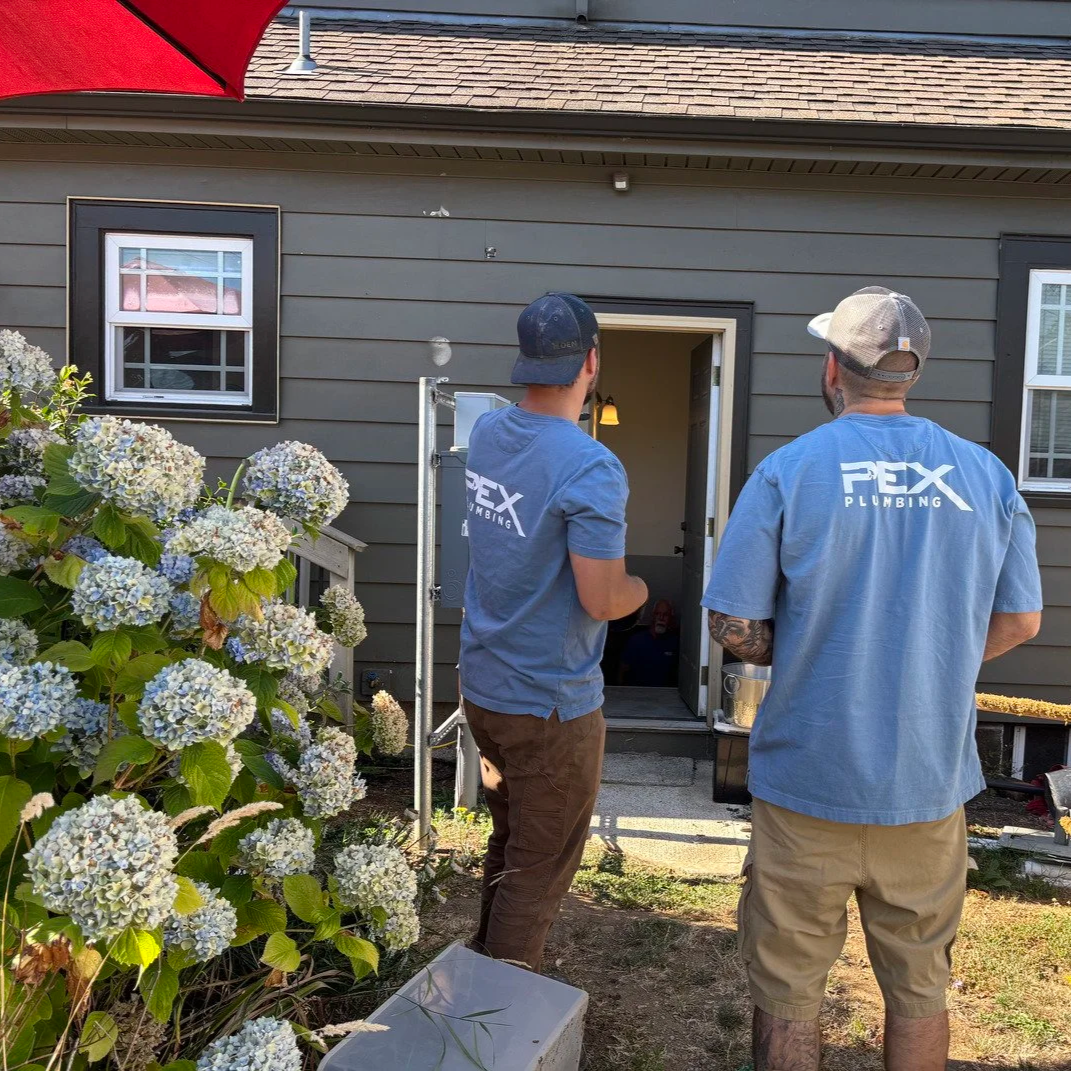
PEX repiping upgrades outdated plumbing systems in Hillsboro homes, improving water flow, reducing leaks, and enhancing long-term reliability.
Why Homeowners In Hillsboro Choose PEX Repiping
PEX repiping usually enters the conversation after homeowners experience a pattern rather than a single plumbing failure. In Hillsboro, OR, many homes were built during periods when galvanized steel, aging copper, or early plastic piping were common. Those materials worked well for a time, but decades of exposure to shifting soil, mineral-heavy water, and pressure fluctuations slowly take a toll. Small leaks appear behind walls, water pressure drops without explanation, or repairs start stacking up year after year. PEX repiping becomes appealing because it addresses the entire system instead of reacting to one failure at a time.
Local conditions also influence that decision. Hillsboro sits in a region where seasonal moisture fluctuations can cause minor ground movement, which can stress rigid pipes. Older copper systems sometimes thin from the inside due to water chemistry, while steel pipes corrode and restrict flow. PEX handles movement and expansion more gracefully, reducing stress at joints and fittings. Homeowners often want to know what daily life will look like during a repipe, how invasive the work feels, and what changes they will notice once the project is finished, which makes understanding the process just as important as understanding the material.
Initial Walkthrough And System Evaluation
PEX repiping always begins with a detailed walkthrough of the home and plumbing system. A professional plumber examines visible piping, previous repair points, fixture performance, and water pressure behavior. In Hillsboro homes, layouts vary widely, ranging from slab foundations to crawl spaces and split-level designs. Each layout influences how piping routes through the structure and how accessible existing lines may be. The walkthrough sets expectations early and allows the plumber to explain how the work will unfold in that specific home.
Conversations during the evaluation matter just as much as the inspection itself. Homeowners often share frustrations like inconsistent hot water, slow-filling tubs, or pressure drops when multiple fixtures run at once. Those details help guide the repiping design. Future plans also come into play, such as bathroom remodels, added laundry appliances, or expanding household size. PEX repiping allows flexibility, but planning prevents missed opportunities. Skipping this stage often leads to changes mid-project, which adds disruption and complexity later on.
Planning The PEX Repiping Approach
After evaluation, the repiping plan takes shape. Plumbers decide how to route new PEX lines while minimizing wall openings and maintaining proper support. Homes in Hillsboro often feature finished basements, garages, or crawl spaces that influence routing decisions. Some homes benefit from a trunk-and-branch layout that mirrors traditional systems, while others perform better with a manifold system that sends individual lines to each fixture. The chosen approach affects water pressure balance, shutoff control, and long-term convenience.
Planning also addresses how the home will function during the project. Water shutoff schedules, access points, and daily work phases are discussed so homeowners know what to expect. Clear planning reduces anxiety and keeps surprises to a minimum. PEX flexibility allows plumbers to navigate tight spaces without excessive demolition, but thoughtful routing still matters. A well-planned repipe protects the structure, preserves finished surfaces, and supports reliable performance for years.
Preparing Your Home For Repiping Work
Preparation marks the point when homeowners begin to feel the project becoming real. Furniture may need to be moved away from walls, personal items cleared from work areas, and pets managed during active work hours. Plumbers typically protect floors and surfaces, but homeowner cooperation speeds the process. In occupied Hillsboro homes, communication remains key to maintaining manageable daily routines.
Access preparation varies by home. Small sections of drywall may be opened to reach vertical runs, while crawl space entries are cleared for underfloor access. Preparation focuses on safety and efficiency rather than unnecessary exposure. Rushing preparation often creates delays later, especially when unexpected obstacles appear behind walls. Proper setup keeps the project moving smoothly and limits how invasive the work feels overall.
Shutting Down And Isolating Existing Water Lines
Before installation begins, existing water lines are shut down and isolated. Water service interruptions occur during controlled phases rather than all at once. Plumbers cap old supply lines and drain the system to prepare for removal or abandonment. In Hillsboro homes with complex layouts or multiple additions, careful isolation prevents confusion and accidental reactivation of old pipes.
Homeowners sometimes worry about how long water will remain unavailable. In most cases, shutoffs happen in stages, allowing partial service between workdays. Clear scheduling helps households plan around these interruptions. Proper isolation prevents leaks during installation and provides a clean starting point for the new PEX system.
Removing Or Abandoning Old Plumbing Materials
Old pipe handling depends on the material type and location. Accessible galvanized or copper lines in crawl spaces or basements may be fully removed. Pipes embedded in slabs or structural walls are often abandoned in place after disconnection. PEX repiping does not require tearing out every inch of old pipe, reducing disruption and preserving the home’s integrity.
In Hillsboro homes that have undergone multiple renovations, mixed pipe materials often exist. Plumbers carefully document abandoned lines to avoid confusion during future work. Removing what makes sense while safely isolating the rest balances efficiency and safety. Proper handling of old piping prevents debris, corrosion residue, or structural damage from affecting the new installation.
Running New PEX Supply Lines
Installing the PEX supply lines forms the core of the project. Flexible tubing feeds through framing, walls, and floors with fewer fittings than rigid materials require. PEX bends around corners and obstacles, reducing stress points and potential leak locations. Lines are secured with proper supports and protected where they pass through wood framing.
Color-coded tubing helps maintain clarity, with hot and cold lines easily identifiable. In Hillsboro, homes with crawl spaces often have main lines running beneath the floor, branching upward to fixtures. Multi-story homes require vertical runs through interior walls or chases. Attention to spacing, fastening, and routing keeps the system quiet and stable during daily use. Installation quality directly influences long-term performance, making careful workmanship essential.
Integrating Fixtures And Appliances
Once supply lines reach their destinations, plumbers connect fixtures and appliances. Each sink, toilet, shower, and appliance receives properly sized connections designed to support consistent flow. Modern households place higher demands on plumbing systems, especially when multiple fixtures operate simultaneously. PEX repiping supports balanced pressure and dedicated lines, which improves daily comfort.
Appliances like tankless water heaters, washing machines, and outdoor spigots require special consideration. Flow requirements, temperature tolerance, and shutoff access factor into connection decisions. In Hillsboro homes, where water usage patterns evolve, thoughtful fixture integration prevents future performance issues. Skipping details at this stage undermines the benefits of a full repipe.
Pressure Testing And Quality Checks
Before restoring full water service, the new PEX system undergoes pressure testing. Plumbers pressurize the lines and monitor them for leaks or pressure loss. Testing verifies that fittings, connections, and routing meet performance standards. Any issues discovered during testing are corrected immediately.
Local inspection requirements in Hillsboro, OR, often apply to repiping projects. Inspectors review installation methods, support spacing, and compliance with plumbing codes. Passing inspection validates the work and protects homeowners from hidden issues. Pressure testing and inspection provide confidence that the system will perform reliably once walls are closed and daily use resumes.
Restoring Walls And Finished Surfaces
After testing and inspection, restoration begins. Opened walls, ceilings, and access panels are repaired and prepared for finishing. Depending on the agreement, plumbers may handle basic restoration or coordinate with drywall professionals. Careful restoration helps the home return to normal without visible reminders of the work.
Homes with textured walls or custom finishes require extra attention. Clear communication about restoration responsibilities prevents misunderstandings. Proper restoration completes the repiping process while respecting the home’s appearance and livability.
Living In The Home During PEX Repiping
Many Hillsboro homeowners remain in their homes throughout PEX repiping. Daily routines adjust slightly around work hours and during temporary water shutoffs, but full displacement is rarely necessary. Plumbers schedule tasks to restore partial service whenever possible, allowing families to function between work phases.
Understanding what each day may bring reduces stress. Noise, foot traffic, and brief interruptions are part of the process, but communication keeps them manageable. Homeowners who stay engaged and informed often find the experience less disruptive than expected.
Long-Term Performance After Repiping
PEX repiping delivers noticeable changes once complete. Water pressure often improves, temperature consistency stabilizes, and recurring leaks stop. PEX resists corrosion and scale buildup, maintaining flow over time. Proper installation reduces stress from expansion and contraction, supporting long-term reliability.
Maintenance needs remain minimal, but awareness helps protect the system. Monitoring pressure regulation and addressing fixture issues promptly preserves performance. In Hillsboro, where water conditions and seasonal changes influence plumbing behavior, a modern PEX system offers durability and flexibility for future modifications.
FAQs
Most Hillsboro homes complete PEX repiping within three to five days, depending on size, layout, and accessibility. Preparation, installation, testing, and restoration each contribute to the timeline. Homes with crawl spaces or unfinished areas often progress faster than slab or multi-story homes.
Some wall or ceiling openings are typically required to route new PEX lines, especially for vertical runs. Plumbers aim to minimize openings and place them in discreet locations. Proper restoration follows once installation and inspection are complete.
PEX repiping often improves water pressure by replacing corroded or restricted pipes with smooth, flexible tubing. Balanced layouts and dedicated lines help maintain a consistent flow when multiple fixtures run simultaneously.
PEX approved for residential plumbing meets potable water safety standards. The material does not corrode or leach metals into the water supply. Flushing the system after installation removes any residual materials before regular use.
PEX systems allow easier modifications compared to older rigid piping. Adding fixtures or rerouting lines typically requires less disruption, making future upgrades more manageable for Hillsboro homeowners.
PEX Plumbing and Repiping is a trusted specialist offering repiping service, whole-house repiping, repiping of hot and cold water lines, and repiping of galvanized, copper, or polybutylene pipes for homeowners in Portland, Hillsboro, Beaverton, Vancouver, WA, and surrounding areas. Fully licensed, bonded, and insured. Count on us for fast turnaround times and clean and efficient service. Request a free quote today.
