
Blending Ceiling Repairs with Accurate Texture Matching
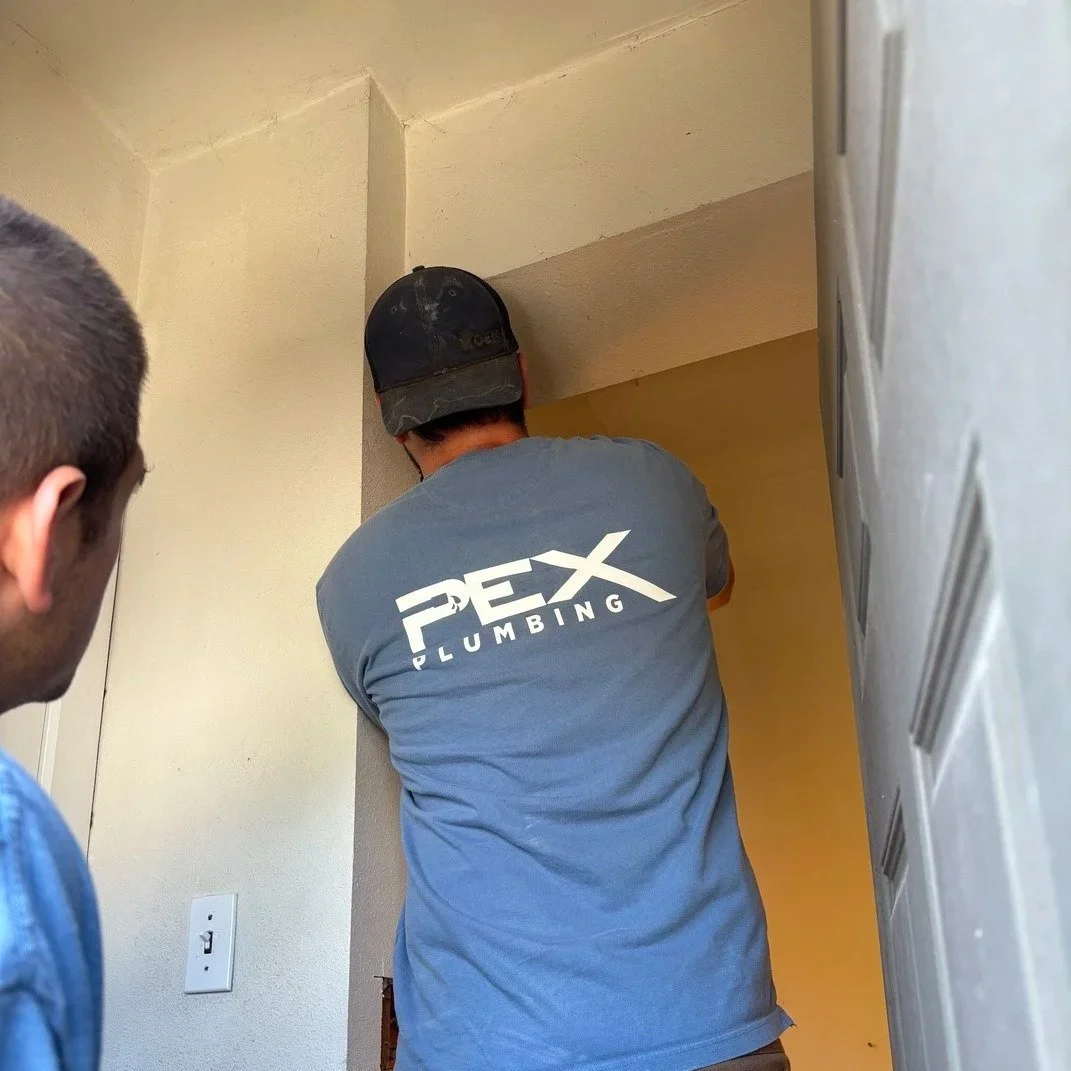
Unlike walls, ceilings carry textures that were applied when the house was built—often by professionals with industrial tools and a lot of practice.
Ceiling repairs bring a unique set of challenges. Gravity, awkward angles, and neck cramps are just the beginning. Unlike walls, ceilings carry textures that were applied when the house was built—often by professionals with industrial tools and a lot of practice. Matching those original finishes takes skill, patience, and a few tricks that don't come in a can.
Ceiling texture matching isn't just about visual appeal. It preserves the room's continuity and helps avoid that unmistakable patched look. Whether dealing with a ceiling that once wore a popcorn crown or one dressed in stipple swirls, repairs should blend seamlessly into the existing surface—without leaving behind shadows, ridges, or globby surprises.
Spotting Trouble Above Your Head
Ceiling damage doesn't always announce itself with a bang. A water stain quietly spreads. A small crack grows wider with the seasons. A sagging section dips just enough to catch the corner of your eye. By the time a homeowner notices, the ceiling often needs more than a touch-up.
Professionals know how to read ceiling damage. Water rings may look minor, but they usually indicate deeper trouble. Bulging seams can mean a loss of support or poor installation. Even nail pops in the ceiling speak volumes about shifting joists or settling frames.
Before any texture matching happens, the damaged area must be stabilized. That might involve replacing drywall, treating for mold, or adding screws to secure the sheetrock back to the framing. Repairing without reinforcement is like painting a puddle—it doesn't solve the problem underneath.
Clean Patches Set the Stage for Seamless Blends
Precision matters when cutting out damaged ceiling sections. Irregular cuts lead to lumpy transitions. Clean, square edges help keep the patch flush with the rest of the surface and allow for easier feathering during the texture phase.
The patch itself needs strong backing support. Since gravity isn't on anyone's side, the new drywall must be anchored securely to prevent sagging. Professionals often use wood bracing or furring strips to create a sturdy foundation.
Once in place, the seams get taped and mudded. Each coat of compound is carefully applied and sanded to form a surface that disappears into the ceiling. Smooth transitions here are essential—especially when texture will be added later. Every bump or ridge gets magnified once the texture is applied.
Understanding Ceiling Texture Styles
Ceilings are where interior style meets drywall creativity. Popcorn, stipple, knockdown, swirl, skip trowel—the textures are as varied as the people who lived under them. Matching each one takes a mix of science, feel, and some specialized tools that look like they belong in an art studio.
Popcorn texture was applied using spray guns and acoustic mix during a time when smooth ceilings were out of style. It hides imperfections beautifully but is notoriously hard to replicate by hand. Professionals use hopper guns with the right nozzle size and pressure to mimic the original texture's coarseness and spread.
Stipple textures require brushes or rollers with unique bristle patterns. The trick is not just replicating the pattern but matching the depth and spacing. The compound consistency, drying time, and brush angle all affect the final result.
Knockdown and swirl textures each need a specific rhythm. Knockdown involves a two-step process: spray, then flatten. Swirl requires a sweeping motion with trowels or brushes while the compound is still wet. The pattern must match the original motion—clockwise, counterclockwise, or figure eight—depending on what the ceiling originally wore.
Ceiling texture matching isn't a guessing game. It's a practiced technique that takes years to refine and often involves test patches, texture swatches, and tiny adjustments that make a huge difference.
Matching Color and Sheen Is the Final Test
Ceilings don't escape color changes. Even white paint fades over time due to smoke, cooking residue, or just old age. The original ceiling color might've been "ceiling white," but now it leans closer to "toasted marshmallow with a hint of beige."
Once the texture has dried and cured, the next step is priming and painting. Primer seals the new surface and prevents uneven absorption. Skipping primer almost guarantees that the paint will flash or dry unevenly.
Professionals test paint colors under different lighting conditions. Ceiling lighting often highlights differences that remain hidden in daylight. Paint sheen also plays a major role. Flat finishes help hide imperfections, while eggshell or satin makes them shine like a spotlight.
Feathering out the paint—especially on ceilings without molding or borders—repairs vanish. A visible line between old and new defeats the whole point. A ceiling that looks untouched after repair? That's the goal.
Why Ceiling Repairs Require Specialized Tools and Techniques
Repairing ceilings is an overhead job—literally. Working above eye level, holding tools, and balancing on ladders or scaffolding add a layer of difficulty that most wall repairs don't involve.
Professionals use stilts, scaffolding, and extension tools to access and work efficiently across larger spans. Lightweight compound mixes reduce fatigue and dry faster, allowing multiple passes in a single day.
Sprayers require adjustment to match not only the texture pattern but also the original application's spread and pressure. Too much pressure can blow the compound off the ceiling. Too little, and the result looks like a sneeze pattern. It's a fine line, and professionals walk it with confidence.
Avoiding the Patchwork Quilt Look
Ceiling repairs done without texture matching can leave behind what some call the "quilt effect"—a patchwork of misaligned finishes that ruins the flow of the room. Even in dim lighting, mismatched textures become obvious as daylight shifts throughout the day.
A well-blended repair avoids abrupt transitions. The texture fades gradually into the surrounding area. Sometimes the repair zone needs to be larger than the damaged section to allow a full blend. It's not about covering more area for show—it's about softening the edges so the repair feels like part of the original construction.
In rooms with large flat surfaces and minimal ceiling features, texture differences become even more noticeable. Professionals plan for this by adjusting their blend zones and working with the light instead of against it.
When Popcorn Ceilings Meet Modern Upgrades
Popcorn ceilings aren't everyone's favorite anymore. Many homeowners choose to remove them during renovations. But in homes where only part of the ceiling needs repair, matching popcorn instead of removing it entirely might make more sense.
Professionals use acoustic texture mixes that match the existing size and density. The application technique mimics the original installation as closely as possible, including overspray patterns and drying time. In older homes, some popcorn textures may contain asbestos, so repairs that disturb the surface require extra caution.
Whether matching or replacing, popcorn ceiling repairs involve more than a quick spray-and-dash. Texture consistency, ceiling prep, and safe working conditions all contribute to a repair that won't come back to haunt anyone with flaking or uneven bumps.
Why Professional Ceiling Repairs Are Worth It
Ceiling repairs are not the time for shortcuts. Even minor damage becomes a focal point if the texture and paint don't match. A lumpy patch or a different sheen sticks out every time someone looks up.
Professional ceiling repair services focus on restoration—not just patching. They bring the tools, experience, and patience needed to deliver clean, cohesive results. And when you're staring at the ceiling from the comfort of your favorite couch, you don't want to be reminded of an old leak or an oops moment from a ladder. You want to enjoy a smooth, even finish that blends into the background.
From popcorn and stipple to knockdown and beyond, ceiling texture matching makes all the difference between a fix that feels like a bandage and one that feels like the ceiling never skipped a beat.
Trust PEX Plumbing and Repiping for professional, fast, and dependable cosmetic restoration services, sheetrock repair and texture match, and ceiling texture matching in Portland, Hillsboro, Beaverton, Vancouver, WA, and surrounding areas. Our team offers high-quality finishes that blend with the existing interior design. Call us today to get a free estimate.
