
Finding and Fixing Leaks Before Structural Damage Sets In
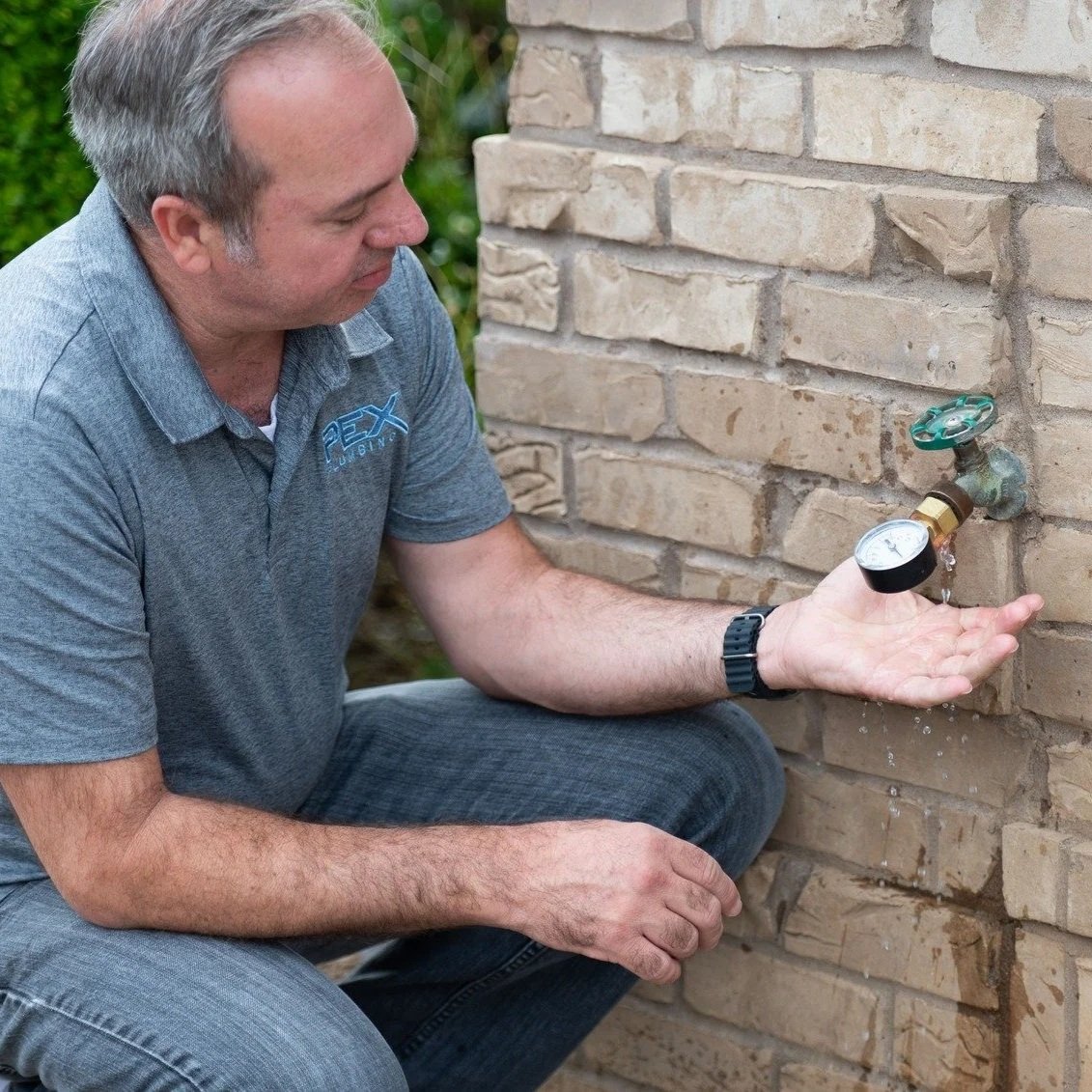
Professional leak detection and repair stop the hidden chaos before the home starts showing visible signs of distress.
The drip-drip of an unnoticed water leak isn't just annoying—it's the soundtrack of potential structural damage quietly brewing behind walls, under floors, or above ceilings. By the time the stain appears, or the drywall warps, water may have been doing its slow sabotage for weeks. Professional leak detection and repair stop the hidden chaos before the home starts showing visible signs of distress.
Listening When Water Speaks Softly
Leaks don't always present themselves with dramatic puddles or visible water lines. Sometimes they whisper. Higher-than-normal water bills, musty odors in closed-off rooms, or a floor that suddenly feels a little warped can all signal a hidden leak.
Professional leak detection involves more than shining a flashlight into the crawlspace. Technicians use acoustic sensors, thermal imaging, and pressure testing to pinpoint leaks with surgical precision. Pipes running under concrete slabs, behind walls, or through ceilings become visible through technology that hears and sees what the eyes can't.
Why Waiting Isn't Worth It
The longer a leak continues, the more damage it invites. Wood framing soaks up moisture like a sponge, leading to rot and warping. Mold can start to form in as little as 48 hours in the right conditions. Insulation becomes waterlogged and ineffective, while drywall loses its integrity and begins to bubble, sag, or crumble.
Waiting to investigate a suspected leak turns a manageable repair into a full-blown restoration project. Professional plumbers isolate the source early, before the water has a chance to meet your home's structural weak points.
Pinpointing the Source Without Demolition
Guessing where water is coming from rarely works. Water travels, making its way through wall cavities and under flooring before finally announcing its presence far from the source.
Professional leak detection cuts through the guesswork. Tools like moisture meters, thermal cameras, and ultrasonic listening devices allow plumbers to locate the precise origin of a leak without ripping open every wall or tearing up the slab.
Strategic access points replace the sledgehammer approach, saving time, money, and stress. No homeowner wants an exploratory excavation in their living room.
Slab Leaks: The Silent Underminers
Leaks under concrete slabs pose a unique challenge. Without specialized detection tools, a slab leak can go unnoticed until it starts lifting tiles, cracking the floor, or creating warm or wet spots on the surface.
Professionals use pressure testing and electronic amplification equipment to trace leaks inside copper or PEX pipes embedded in the slab. Once located, plumbers can decide whether to dig down for repair or reroute the water line altogether.
The goal is to stop the leak without turning the entire slab into a demolition zone. The right approach keeps damage to a minimum and offers a durable solution.
Overhead Trouble: Ceiling Leaks and Rooftop Misery
Ceiling stains and peeling paint are often blamed on the roof, but the plumbing system may be the real culprit. Bathrooms, laundry rooms, and HVAC systems located on upper floors can all contribute to hidden ceiling leaks.
Professionals examine fixture connections, supply lines, and condensation drains to rule out plumbing issues before calling in a roofer. Thermal imaging reveals moisture levels within the ceiling without cutting it open, and targeted openings confirm the cause before repair begins.
Fixing the leak at its source—rather than patching over its symptoms—prevents recurring water damage and keeps the ceiling intact.
Wall Leaks and the Hidden Damage They Bring
Water trapped in walls leads to bubbling paint, discolored patches, and mold-friendly conditions. But before that, it soaks insulation, weakens framing, and corrodes electrical connections.
Leak detection inside walls requires careful evaluation of plumbing routes and potential breach points. Pinholes in copper pipes, loose fittings, or cracked connectors can be nearly invisible without proper tools.
Professionals isolate problem areas with minimal disruption, make clean pipe repairs, and test for lingering moisture before sealing everything back up. A well-done repair means no more bulging drywall or mystery mildew in the corner.
Fixture Leaks: Small Problems That Escalate Fast
A leaking faucet or running toilet might seem minor, but it adds up quickly in both wasted water and potential damage. Drips that disappear behind cabinets or beneath floors can cause swelling, warping, and even attract unwanted pests.
Professionals don't just tighten fittings and call it a day. They replace failing parts, upgrade seals, and check connected lines for pressure irregularities that may lead to additional leaks down the line.
The result is a fix that lasts—not a temporary stopgap that leaks again next week.
Flexible Options for Repair, Not Just Replacement
Not every leak demands full pipe replacement. In many cases, localized repairs restore integrity and function without overhauling the whole system. Compression fittings, epoxy sealing, or pipe rerouting offer options that minimize cost and maximize durability.
Professionals offer a range of repair strategies, depending on pipe type, leak location, and water pressure needs. Whether the culprit is a cracked joint or a corroded valve, the right solution fits the situation—not just a one-size-fits-all fix.
Damage Control Means More Than Just Pipes
Leak detection and repair often go hand in hand with minor restoration work. A wet baseboard, swollen cabinet panel, or stained wall might need attention after the plumbing is fixed.
Professionals address surrounding damage as part of the service. That might mean replacing drywall, applying antimicrobial treatments, or recommending a drying specialist for more severe moisture exposure.
Restoring both the plumbing and the home's surfaces keeps future mold growth and hidden rot at bay.
Why DIY Water Hunts Backfire
Chasing a leak with a wrench in one hand and a drywall saw in the other rarely goes well. Many DIY leak-finding missions lead to more damage, wasted time, or, worse, to repairing the wrong thing entirely.
Professional plumbers bring years of experience and high-tech tools to the table. That means fewer guesses, faster fixes, and no need to rip out half the kitchen just to stop a drip.
Knowing how water behaves—and how to interpret the signs it leaves behind—is part science, part art. The result? Accurate repairs with minimal intrusion.
Preventing Future Leaks with Smart Upgrades
Some homes experience recurring leaks due to aging pipe materials, poor installation practices, or inconsistent water pressure. Professionals help prevent future leaks by identifying systemic issues and offering upgrades that bring lasting peace of mind.
That could mean replacing corroded galvanized pipes with modern PEX, installing pressure regulators to protect fixtures, or installing water-monitoring systems that send real-time alerts.
Leak prevention isn't about waiting for disaster—it's about acting before the problem grows legs and spreads into the walls.
Catch Small Leaks Before They Create Big Headaches
Leaks don't respect a homeowner's schedule. They appear slowly, often at the worst time, and quietly build toward serious damage. Professional leak detection and repair stop the spread before it damages drywall, warps flooring, or soaks insulation.
Through smart technology, precise tools, and a whole lot of know-how, plumbing pros don't just patch problems—they eliminate them at the root. One clean, accurate repair saves thousands in future repairs and gives the home a fresh start, one dry wall at a time.
