
How PEX Repiping Helps Solve Low Water Pressure Issues in Hillsboro
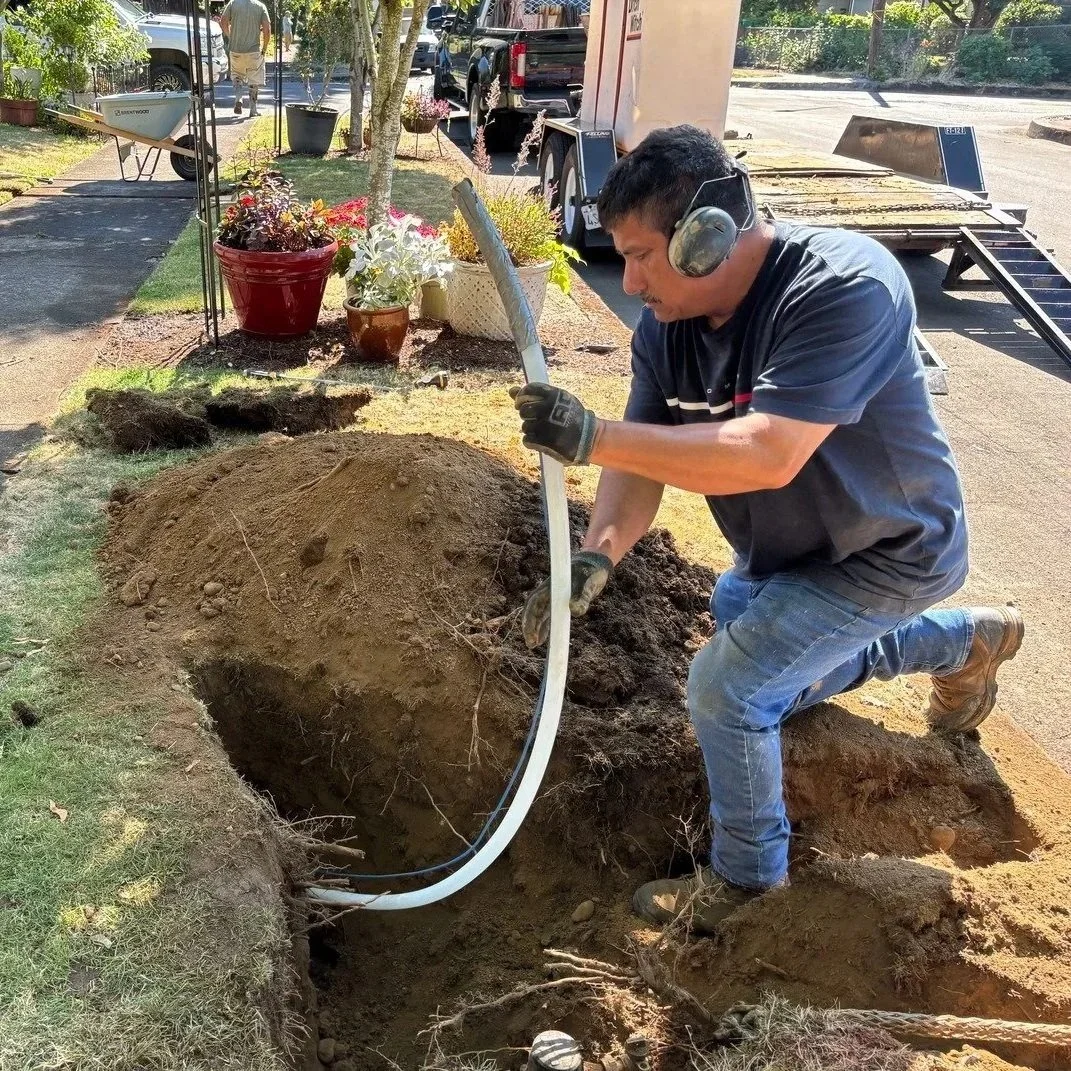
Aging galvanized pipes in Hillsboro home showing corrosion, scale buildup, and restricted water flow contributing to persistent low household water pressure issues.
Understanding Why Low Water Pressure Is So Common in Hillsboro Homes
Low water pressure in Hillsboro homes occurs more often than many homeowners expect, and it rarely stems from a single dramatic failure. In older neighborhoods, especially, pressure loss usually builds slowly as plumbing systems age, mineral content accumulates, and outdated materials struggle to keep up with modern water use. Galvanized steel pipes remain one of the biggest culprits. Over time, corrosion forms along the interior walls, narrowing the pipe diameter and disrupting smooth water flow. Even when municipal supply pressure remains strong, restrictions inside the home quietly rob fixtures of volume and consistency, leading to weak showers, slow-filling appliances, and noticeable drops when more than one fixture runs at once.
Hillsboro’s water chemistry also plays a role. Local water contains minerals that accelerate scale buildup inside metal pipes, particularly in older installations that lack modern coatings or corrosion resistance. Seasonal temperature shifts also affect aging plumbing by expanding and contracting materials that were never designed for decades of stress. Small internal fractures, rough interior surfaces, and partially obstructed elbows create turbulence that reduces effective pressure before water ever reaches the tap. Many homeowners assume low pressure comes from the city or a faulty fixture. Yet, the real problem often sits hidden behind walls, under floors, and inside pipe runs that have quietly outlived their useful lifespan.
How Aging Pipe Materials Restrict Water Flow Over Time
Pipe material determines far more than durability alone. It directly affects how water moves from the supply line to each fixture. Galvanized steel, once a standard choice, becomes progressively restrictive as rust and mineral deposits accumulate. Interior surfaces that were once smooth develop rough, uneven textures, disrupting flow and creating drag. Over decades, internal diameter reduction can become severe enough that water pressure loss feels dramatic, even though pipes technically remain intact. Copper pipes fare better initially, but they also develop scale buildup in areas with harder water, particularly at joints and bends where flow slows, and minerals settle.
Older pipe layouts compound the issue. Many homes built before modern plumbing standards rely on long, branching runs with multiple directional changes. Each turn, joint, and transition introduces frictional losses, reducing the available pressure downstream. When pipe interiors degrade, those losses increase exponentially. Homeowners often notice pressure drops when running a dishwasher, washing machine, or irrigation system because restricted pipes cannot deliver adequate volume to meet simultaneous demand. Replacing fixtures or installing pressure-boosting devices rarely solves the root issue when internal pipe restrictions remain unchanged and continue to limit overall system performance.
What Makes PEX Repiping Different From Traditional Plumbing Upgrades
PEX repiping introduces a fundamentally different approach to water distribution inside a home. Cross-linked polyethylene piping offers a smooth interior surface that resists scale buildup and corrosion. Water moves through PEX with minimal friction, maintaining consistent pressure across long runs and multiple fixtures. Unlike rigid metal piping, PEX bends gently around corners, reducing the number of fittings required and minimizing pressure loss points throughout the system. Fewer joints mean fewer opportunities for turbulence, leaks, and flow disruption, all of which directly influence pressure performance.
Material flexibility also allows plumbers to design more efficient layouts during a repipe. Manifold systems are a practical option, delivering dedicated lines to individual fixtures rather than relying on shared branches that compete for flow. In homes where simultaneous water use previously caused pressure drops, PEX manifolds restore balance by evenly distributing water. For Hillsboro homeowners dealing with chronic low pressure, repiping with PEX often addresses the issue at its structural source rather than masking symptoms with temporary fixes or hardware adjustments that cannot overcome fundamental pipe limitations.
How PEX Improves Pressure Consistency Throughout the Home
Pressure consistency matters just as much as raw pressure strength. Many homeowners describe pressure problems not as constant weakness but as unpredictable swings. A shower that starts strong may weaken when a toilet flushes or a faucet opens elsewhere. PEX repiping stabilizes these fluctuations by reducing internal resistance and balancing flow demand across the system. Smooth interior walls allow water to move freely, even when multiple fixtures operate simultaneously. Reduced friction loss translates directly into steadier pressure at every endpoint.
PEX systems also tolerate pressure changes more effectively than rigid materials. Flexibility absorbs minor surges and vibrations that would otherwise stress joints and fittings. Over time, that resilience maintains the internal diameter and prevents microfractures that contribute to long-term flow restriction. Hillsboro homes with mixed-use needs, such as irrigation systems, modern appliances, and multi-bathroom layouts, benefit significantly from PEX's adaptability. Instead of pressure drops cascading through the system, flow remains predictable and controlled, creating a noticeable improvement in everyday water use.
Addressing Hidden Leaks and Microfailures That Affect Pressure
Low water pressure sometimes stems from losses rather than restrictions. Small leaks inside walls, crawlspaces, or slab foundations can divert water away from fixtures without obvious signs of damage. Aging metal pipes often develop pinhole leaks due to corrosion, chemical reactions, or mechanical stress. Even minor leaks reduce available volume and destabilize pressure throughout the system. Homeowners may notice rising water bills, unexplained damp spots, or pressure that worsens gradually without a clear cause.
PEX repiping removes these hidden vulnerabilities by replacing entire pipe runs rather than patching isolated sections. New PEX lines eliminate corrosion pathways and reduce the likelihood of future microleaks. Connections rely on modern fittings designed to maintain a consistent internal diameter and secure seals under pressure fluctuations. In Hillsboro homes where slab foundations complicate leak detection, full repiping often restores pressure by eliminating unseen losses that repairs alone fail to address fully. System-wide renewal creates a clean baseline that supports stable pressure across all fixtures.
Why Fixture Upgrades Alone Rarely Solve Pressure Problems
Many homeowners attempt to fix low pressure by replacing showerheads, faucets, or valves. While fixture upgrades can improve flow efficiency at the endpoint, they cannot compensate for systemic restrictions upstream. Water reaching the fixture already carries the limitations imposed by aging pipes, narrow passages, and friction losses. Installing high-flow fixtures on restricted plumbing may worsen pressure fluctuations by increasing demand without increasing supply capacity.
PEX repiping changes the equation by restoring full delivery potential before water reaches fixtures. Once internal flow improves, modern fixtures perform as intended, delivering consistent pressure without strain. In Hillsboro, homes where multiple fixture replacements failed to resolve pressure complaints often reveal how severely old pipes limited performance. Addressing plumbing infrastructure first allows fixture upgrades to enhance comfort rather than expose underlying deficiencies that no accessory can overcome.
The Role of Pipe Layout and Design in Pressure Restoration
Pipe layout influences pressure far more than most homeowners realize. Older systems often follow circuitous routes dictated by construction limitations of the time rather than hydraulic efficiency. Long horizontal runs, unnecessary elevation changes, and shared branches all contribute to uneven pressure distribution. PEX repiping offers an opportunity to redesign layouts with modern usage patterns in mind. Shorter runs, fewer turns, and direct routing reduce cumulative friction loss and improve pressure delivery.
Modern plumbing design also accounts for peak demand scenarios common in contemporary households. Multiple bathrooms, laundry appliances, and outdoor irrigation systems frequently overlap in operation. PEX systems accommodate these demands by supporting balanced distribution strategies that older layouts cannot easily replicate. In Hillsboro, properties where additions or remodels increased water demand without upgrading plumbing infrastructure can benefit from repiping to restore equilibrium between supply and usage. Thoughtful layout improvements translate directly into noticeable pressure gains throughout the home.
Environmental Factors That Influence Long-Term Pressure Performance
Local environmental conditions affect plumbing performance over the long term. Hillsboro’s seasonal moisture levels, soil composition, and temperature variations place stress on underground and interior piping alike. Metal pipes expand and contract with temperature shifts, accelerating joint fatigue and internal surface degradation. Soil movement can strain buried supply lines, creating subtle misalignments that reduce flow efficiency. Over time, these factors compound pressure issues that appear unrelated to daily water use habits.
PEX adapts more effectively to environmental stressors due to its flexibility and resistance to chemical reactions. The material tolerates movement without cracking or narrowing and remains stable across a wide temperature range. Long-term pressure performance benefits from reduced structural fatigue and consistent internal diameter. Homeowners seeking a durable solution to recurring pressure problems often find that PEX repiping aligns better with Hillsboro’s environmental realities than traditional rigid materials designed for less variable conditions.
Integrating PEX Repiping With Modern Water Demand Expectations
Water use inside Hillsboro homes has changed dramatically over the past few decades, even when the structures themselves have not. Older plumbing systems were designed around lower-flow fixtures, fewer appliances, and simpler daily usage patterns. Modern households place sustained demand on plumbing systems through high-efficiency washing machines, multiple simultaneous showers, tankless water heaters, and automatically cycling irrigation systems. When legacy pipe materials and layouts attempt to support this level of demand, pressure loss becomes a predictable outcome rather than an occasional inconvenience. PEX repiping realigns the plumbing system with current expectations by providing a consistent internal diameter, flexible routing, and flow capacity that support modern use without internal competition between fixtures.
Repiping also creates opportunities to address imbalances introduced by past renovations. Many Hillsboro homes expanded bathrooms, kitchens, or laundry areas without upgrading the original supply lines. These additions often tap into existing branches that were never sized for increased flow, leading to pressure drops in both old and new sections of the house. PEX allows plumbers to redistribute supply intelligently, correcting undersized lines and separating high-demand fixtures into dedicated runs. The result is a system that behaves predictably under load rather than reacting unpredictably to everyday water use.
How PEX Repiping Reduces Pressure Loss at Connections and Transitions
Every plumbing system relies on connections, and those connections play a significant role in pressure performance. Older metal systems rely heavily on threaded fittings, soldered joints, and rigid couplings that gradually introduce internal restrictions. Corrosion often begins at these connection points, narrowing flow paths and creating turbulence that compounds pressure loss downstream. Even when pipes remain mostly intact, degraded joints quietly undermine overall system efficiency.
PEX systems rely on modern connection methods that maintain a consistent internal diameter through fittings. Crimp, clamp, or expansion connections reduce abrupt transitions that disrupt flow. Fewer fittings are required overall because PEX can bend around corners rather than relying on elbows and adapters. That reduction in connection density directly translates into lower friction loss and more stable pressure. Over the lifespan of the system, consistent connections prevent the gradual narrowing that plagues metal systems, keeping pressure performance stable rather than degrading year after year.
FAQs
Pipe cleaning removes some internal buildup but cannot restore the original diameter or smoothness once corrosion has altered the pipe structure. PEX repiping replaces restricted pipes entirely, eliminating internal roughness and narrowing while restoring full flow capacity throughout the system.
PEX repiping improves pressure consistency by reducing friction loss and allowing balanced distribution. Dedicated lines and smoother interiors support simultaneous use without the pressure drops common in older shared-branch systems.
PEX repiping works well in older Hillsboro homes because it adapts to existing structures while addressing material degradation. Flexibility allows efficient installation without relying on outdated layouts that contribute to pressure loss.
Improved pressure typically remains stable for decades because PEX resists corrosion and mineral buildup. Unlike metal pipes, plastic pipes do not degrade gradually under normal water conditions.
Inconsistent pressure often results from internal restrictions, leaks, or uneven distribution. PEX repiping addresses these root causes system-wide, restoring predictable pressure behavior across all fixtures.
PEX Plumbing and Repiping is a trusted specialist offering repiping service, whole-house repiping, repiping of hot and cold water lines, and repiping of galvanized, copper, or polybutylene pipes for homeowners in Portland, Hillsboro, Beaverton, Vancouver, WA, and surrounding areas. Fully licensed, bonded, and insured. Count on us for fast turnaround times and clean and efficient service. Request a free quote today.
