
PEX vs Copper Repiping: Which Wins for Your Home?
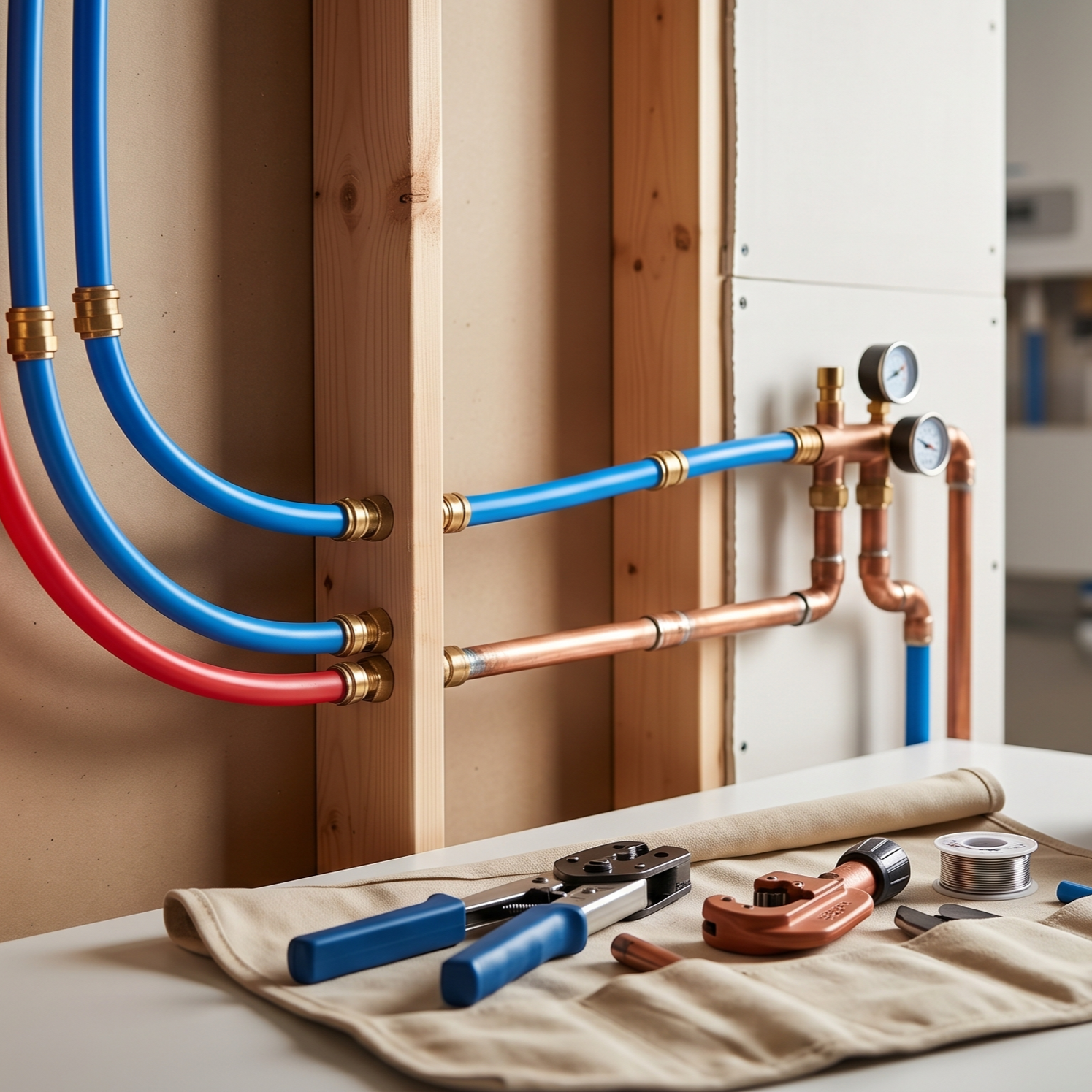
Quick Answer: Both PEX and copper are excellent modern repipe materials, so the choice depends on your priorities. PEX is a flexible plastic piping that's lower-cost, faster and less disruptive to install, resistant to corrosion and mineral buildup, and more freeze-tolerant since it can expand somewhat. Copper is a rigid metal that's long-proven, durable, and heat-tolerant, but costs more and takes longer to install. PEX often wins on cost, speed, and freeze resistance and has become the popular choice for whole-home repipes; copper appeals to those wanting a traditional, time-tested metal pipe. Neither is wrong.
When you repipe a home, the big decision is the material — and for most modern repipes, it comes down to two choices: PEX or copper. Both are excellent, which is what makes the decision feel hard. They're not better or worse so much as different, each with strengths that matter more or less depending on your home, your budget, and what you value. Here's a clear, side-by-side look to help you choose the right one for your repipe.
Two Excellent Materials, Different Strengths
The first thing to know is that this isn't a good-versus-bad comparison. PEX and copper are both proven, high-quality piping materials trusted for whole-home plumbing. So the question isn't which one is "good" — both are — but which one's strengths line up with your priorities. PEX leans toward cost, speed, and flexibility; copper leans toward its long track record and metal durability. Understanding what each does well lets you match the material to what matters most for your home rather than looking for a winner.
PEX: Flexible, Affordable, Fast to Install
PEX is a flexible plastic piping that has become a leading choice for repipes, for several practical reasons. It's generally lower in cost than copper, in both material and labor. Its flexibility lets it be installed faster and with fewer fittings, often allowing a whole-home repipe to be completed quickly and with less disruption to walls. It resists corrosion and the mineral buildup that affects metal pipes, so it won't rust or clog from the inside the way old metal pipes can. And it handles freezing better than rigid pipe, since it can expand somewhat rather than bursting as readily — a real plus in cold weather. For many homeowners, PEX delivers excellent performance at a lower cost with a faster, cleaner installation.
Copper: Proven, Durable, Traditional
Copper is the long-established metal piping trusted for generations, and its strengths are real. It's durable and long-lasting, tolerates heat well, and has a decades-long track record that gives many people confidence. Some homeowners simply prefer a traditional metal pipe. The trade-offs are cost and installation: copper is more expensive than PEX in both material and labor, and because it's rigid and joined by soldering, it takes longer to install, which can mean more disruption during the repipe. Copper is an excellent, durable choice — it just comes at a higher price and a longer install than PEX.
| Factor | PEX | Copper |
|---|---|---|
| Cost | Lower | Higher |
| Installation | Fast, flexible, less disruptive | Slower, rigid, soldered |
| Corrosion resistance | Excellent | Good |
| Freeze tolerance | Better (can expand) | Less forgiving |
| Track record | Widely proven | Long-proven |
| Best for | Cost, speed, freeze resistance | Traditional metal durability |
How to Choose Between Them
Since both are excellent, the decision comes down to what you value. PEX tends to win when cost, installation speed, and lower disruption, corrosion resistance, and freeze tolerance matter most — which is why it's so popular for whole-home repipes, especially where a fast, clean job and freeze performance are priorities. Copper appeals when you want a traditional, time-tested metal pipe with a long durability record and don't mind paying more or waiting longer for the install. There's genuinely no wrong answer between the two; it's about fit. A repiping specialist can walk through how each material suits your home, budget, and timeline and make a recommendation — but either way, you're upgrading to a modern material that will serve the home well for the long haul.
If a fast, low-disruption repipe matters to you — say you want it done with minimal time and wall-opening — PEX's flexibility is a big advantage, since it installs quickly with fewer fittings. If a traditional metal pipe and its long track record matter more, copper is worth the added cost and time. Let your top priority guide the choice.
Frequently Asked Questions
Both are excellent modern repipe materials, so it depends on your priorities. PEX is lower-cost, faster, and less disruptive to install, corrosion-resistant, and more freeze-tolerant, which makes it popular for whole-home repipes. Copper is a long-proven, durable metal that tolerates heat well and appeals to those who want a traditional pipe, but it costs more and takes longer to install. Neither is wrong; the right choice matches your budget, timeline, and what you value in the material.
Because it offers a strong combination of advantages: lower material and labor costs, faster, less disruptive installation thanks to its flexibility and fewer fittings, resistance to corrosion and mineral buildup, and better freeze tolerance than rigid pipe. Those qualities let a whole-home repipe be completed quickly and cleanly while delivering excellent, reliable performance. For many homeowners, that blend of value, speed, and durability makes PEX the practical choice, which is why it's widely used for repiping.
It can be, depending on what you value. Copper costs more than PEX in both material and labor and takes longer to install because it's rigid and soldered, but it offers a long-proven track record, strong durability, and heat tolerance, and some homeowners prefer a traditional metal pipe. If those qualities matter to you and the higher cost and longer install fit your plans, copper is an excellent, lasting choice. If cost, speed, and freeze tolerance matter more, PEX delivers excellent performance for less.
It tends to. PEX is flexible and can expand somewhat as water freezes, making it less prone to bursting than rigid pipe under the same conditions, while copper is more rigid and less forgiving when water inside it freezes. PEX isn't freeze-proof — exposed pipes in unheated spaces still need protection — but its behavior under freezing is one of its advantages and a reason many repipes choose it where cold weather is a consideration.
PEX is a durable, reliable material engineered for long-term plumbing, not a budget compromise — it resists corrosion and mineral buildup that can shorten the life of metal pipe. Copper also has excellent longevity with its long track record. Both are built to serve a home for many years. Rather than one clearly outlasting the other in every case, they're both strong long-term materials, so the choice comes down to their other strengths and your priorities rather than longevity alone.
It Comes Down to Fit, Not a Winner
The reassuring takeaway is that you can't really make a bad choice here. Whether you value the lower cost and quick, clean install of PEX or the long-proven metal durability of copper, you're getting a modern, reliable system either way. The decision is about matching the material's strengths to your budget, timeline, and preferences, not about avoiding a bad option.
Both Win — Pick the One That Fits You
PEX versus copper isn't a contest between good and bad materials — both are excellent for a repipe. PEX wins on cost, installation speed, and lower disruption, corrosion resistance, and freeze tolerance, which is why it's become the popular choice for whole-home repipes. Copper offers a long-proven, durable metal pipe for those who want it and will pay more and wait a bit longer for the install. There's no wrong answer; it's about which strengths fit your priorities. Either way, you're upgrading to a modern material that serves the home well for decades. The most important step is moving off failing old pipe, and onto something built to last; between PEX and copper, you're simply choosing how, not whether, to get a reliable system that won't have you chasing leaks and discolored water for years to come.
Repiping and weighing PEX vs copper? — Get expert guidance and a fast, quality repipe from a local repiping specialist. PEX Plumbing & Repiping serves Portland, Beaverton, Tigard. Call (971) 232-3079.
