
6 Signs Your Home Needs to Be Repiped
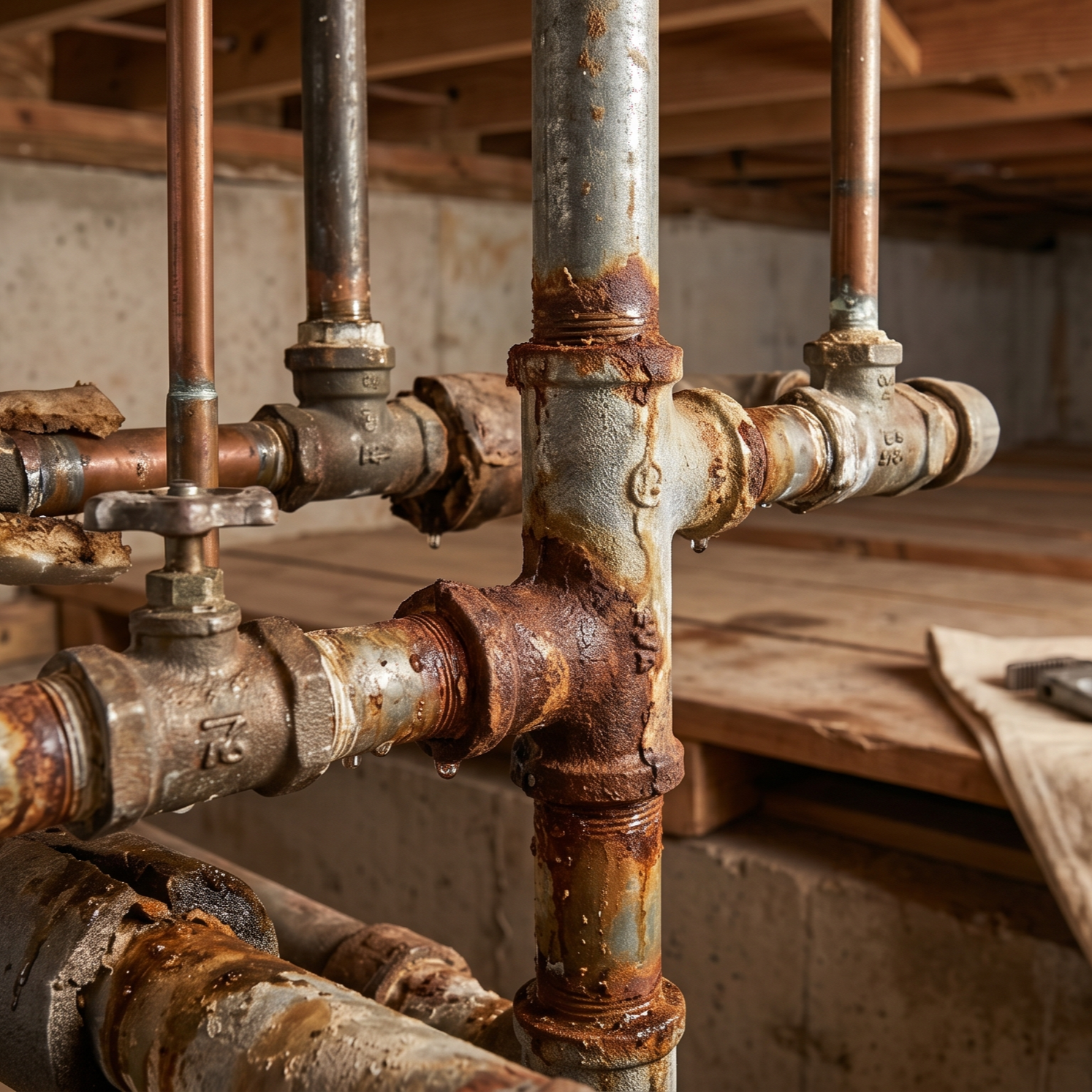
Quick Answer: A home needs repiping when the pipes are failing as a system rather than having one isolated problem. The signs: frequent or recurring leaks, rusty or discolored water, persistently low water pressure, visible corrosion on exposed pipes, metallic-tasting water, and aging or problem pipe materials like galvanized steel or polybutylene. When several of these show up together, the plumbing is wearing out, and patching one leak after another costs more than replacing the pipes. Repiping replaces the failing system in one project so the leaks and water-quality problems stop at the source.
Most homeowners never think about their pipes until something goes wrong — and then it goes wrong again, and again. That pattern is the real signal. Pipes don't last forever, and when they reach the end of their life, they send clear signs before they fail for good. Knowing those signs lets you plan a repipe on your terms instead of reacting to a burst pipe and a flooded floor. Here's how to tell when a home has crossed from "fix the leak" to "replace the pipes."
Repiping Is About the System, Not One Leak
The key distinction is between an isolated problem and a system at the end of its life. One leak on otherwise sound pipes is just a repair. A home needs repiping when the leaks, discoloration, and pressure problems are signs that the whole plumbing system is wearing out, not separate faults. The reason it matters: patching one leak on aging, corroding pipes just means the next leak is coming somewhere else. So the question isn't whether this leak can be fixed — almost any can — but whether the pipes themselves are done. The signs below point to that system-wide failure.
The Signs to Watch For
Frequent or Recurring Leaks
The clearest sign. When a home springs leak after leak in different spots, it's no longer bad luck — it's aging pipes failing throughout the system. Once you're repairing leaks regularly, you've usually crossed from "fix it" to "replace it," because the pipes will keep failing as long as they're in the walls.
Rusty or Discolored Water
Brown, yellow, or reddish water, especially when you first turn on a tap, usually means corrosion inside metal pipes. As pipes corrode internally, that rust ends up in your water. Discolored water is a strong sign that the pipes are deteriorating from within.
Low Water Pressure
Persistently low pressure throughout the home can mean corrosion and mineral buildup are narrowing the inside of the pipes, restricting flow. When pipes close up from the inside, pressure drops, and repiping is often what restores it.
Visible Corrosion
Exposed pipes that show rust, flaking, dimpling, discoloration, or stains are visibly deteriorating. What you can see on the outside often reflects worse conditions inside.
Metallic-Tasting Water
Water with a metallic taste can indicate corroding metal pipes leaching into the supply. Combined with discoloration, it points to internal pipe failure.
Old or Problem Pipe Materials
The material matters. Galvanized steel corrodes and clogs from the inside over decades, and polybutylene is a material recognized as failure-prone. A home plumbed with aging galvanized or polybutylene is a strong repiping candidate regardless of how many leaks it's had yet.
| Sign | What it indicates |
|---|---|
| Frequent recurring leaks | System-wide pipe failure |
| Rusty/discolored water | Internal pipe corrosion |
| Persistently low pressure | Corrosion/buildup narrowing pipes |
| Visible corrosion | Active deterioration |
| Metallic-tasting water | Pipes leaching into the water |
| Old galvanized or polybutylene | Pipes near end of life or failure-prone |
Why It's Better to Repipe Than Keep Patching
When pipes are failing system-wide, repeated repairs add up while the underlying problem remains, and the next leak is always coming. Repiping replaces the failing pipes in one project, stopping the cycle of leaks and resolving the water-quality and pressure problems that come from corroded pipes. There's also peace of mind: a planned repipe on your schedule beats an emergency when a pipe bursts inside a wall. For a home with old galvanized or polybutylene pipes or one that leaks repeatedly, replacing the pipes is the fix that actually lasts. Modern repiping is also faster and less disruptive than many homeowners expect — a whole-home repipe can often be completed quickly when handled by a specialist crew. A professional can assess the pipes' material, age, and condition to confirm whether repair or repiping is the right call.
If you've had more than one or two pipe leaks in different spots within a short time, stop treating them as separate repairs. That pattern is the signal the pipes themselves are failing — and it's worth having the whole system assessed before you pay to patch the next one and the one after that.
Frequently Asked Questions
Look for signs that the pipes as a whole are failing rather than one isolated problem: frequent or recurring leaks in different spots, rusty or discolored water, persistently low water pressure, visible corrosion on exposed pipes, metallic-tasting water, and aging or problem materials like galvanized steel or polybutylene. When several of these appear together, or leaks keep happening, the system is wearing out, and repiping is usually the answer. A professional can assess the pipes' condition to confirm.
A single repair is cheaper up front, but the comparison changes when pipes are failing system-wide. Repeated leak repairs on aging, corroding pipes add up while the underlying problem remains, and the next leak keeps coming. At that point, repiping replaces the failing system in one project and stops the cycle, which is more cost-effective than endless patching. For isolated leaks on sound pipes, repair makes sense; for a failing system, repiping does.
Brown, yellow, or reddish water, especially when you first turn on a tap, usually means the inside of your metal pipes is corroding, and that rust is ending up in your water. It's a common sign of aging metal plumbing deteriorating internally. Combined with low pressure, frequent leaks, or a metallic taste, discoloration suggests the pipes are nearing the end of their life, and the home may be a candidate for repiping rather than continued repairs.
Less than many homeowners expect. While it sounds like a major project, a whole-home repipe can often be completed quickly when handled by an experienced specialist crew, sometimes in a single day, depending on the home. A good crew works efficiently and cleanly, and the result is a brand-new plumbing system that resolves the leaks, pressure, and water-quality problems at once. The short-term disruption is usually well worth ending the cycle of recurring leaks.
Galvanized steel, common in older homes, corrodes and clogs from the inside over decades, restricting flow, discoloring water, and eventually leaking. Polybutylene is another material recognized as failure-prone. Homes plumbed with these aging or problem materials are strong candidates for repiping, often regardless of how many leaks they've had yet, because the material itself is unreliable. A professional can identify what your home is plumbed with and advise whether replacement is warranted.
Replace the System When the Pipes Are Done
A home needs repiping when the pipes themselves are failing — shown by recurring leaks, rusty or discolored water, low pressure, visible corrosion, metallic-tasting water, and old or problem materials like galvanized steel or polybutylene. The key is recognizing these as symptoms of a system at the end of its life, not isolated faults, so patching one leak after another only postpones the next. Repiping replaces the failing system in a single project and resolves leaks and water-quality problems at the source. When the pattern points to system-wide failure, repiping is the fix that lasts, and doing it on your own schedule beats waiting for a pipe to fail inside a wall and force the issue.
Tired of patching leak after leak? — Get your pipes assessed and a fast, expert whole-home repipe from a local repiping specialist. PEX Plumbing & Repiping serves Portland, Beaverton, Tigard. Call (971) 232-3079.
