Precision Replacement of Temperature-Specific Water Lines
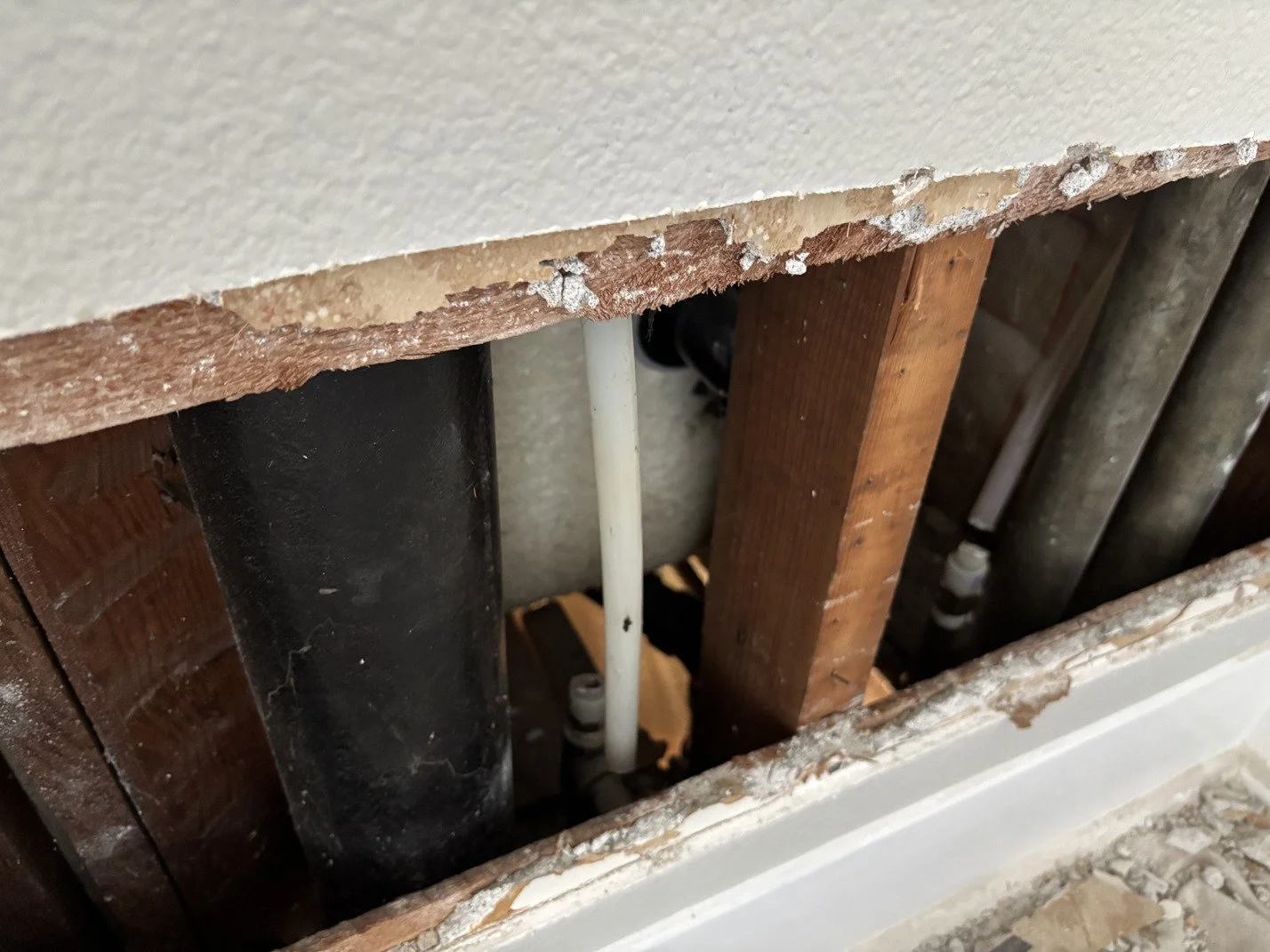
Hot and cold water line repiping with PEX doesn’t just patch problems; it solves them.
When water systems start showing their age, homeowners often notice in the most inconvenient ways. Cold water that arrives a little too warm, hot water that vanishes halfway through a shower, or an unsettling chorus of pipe rattling behind the walls—none of it screams efficiency. Precision repiping for temperature-specific water lines helps address those issues at the source, offering a lasting fix with modern PEX hot/cold plumbing services.
Hot and cold water line repiping with PEX doesn’t just patch problems; it solves them. It rewrites the entire story of how water moves through the home, delivering balanced temperatures, steady pressure, and a noticeable boost in everyday comfort.
Why Temperature-Specific Lines Deserve Special Treatment
Most plumbing systems are treated like one-size-fits-all solutions. Cold water on one side, hot on the other, and as long as something comes out when the handle turns, everything’s considered fine. But behind the scenes, hot and cold water behave very differently. They interact with materials in unique ways, respond to pressure shifts in opposite directions, and present distinct risks to the home.
Hot water can accelerate corrosion in metal pipes. Cold water can cause sweating, leading to moisture issues behind walls. If both systems run side by side with minimal planning, temperature blending can cause lukewarm surprises where they’re least appreciated. That’s where precision repiping makes all the difference.
Using PEX for temperature-specific water lines helps isolate and manage each flow independently. Red and blue tubing keep everything organized. Strategic spacing prevents thermal crossover. And the flexibility of PEX allows each line to travel its ideal path—no forced detours or pipe gymnastics required.
Where Traditional Pipes Fall Short
Copper had its time. Galvanized steel, too. But when it comes to modern water usage, those materials are starting to show their limitations. Metal pipes conduct heat, leading to energy loss in hot water lines and unwanted warming of cold water pipes. They’re also rigid, which makes them harder to route and more likely to develop stress points.
Over time, sediment, corrosion, and mineral buildup create narrow passageways where water once flowed freely. That slows delivery, alters temperature balance, and creates pressure inconsistencies that frustrate even the calmest morning routines.
Repiping water lines with PEX provides an upgrade in every category. It’s resistant to scaling and corrosion. It insulates better, preserving the temperature of both hot and cold water during transit. And it moves water faster and more quietly—no echoing clangs or whooshing surprises.
What PEX Hot/Cold Plumbing Services Actually Involve
Upgrading a home’s water system using PEX starts with a plan. Professional teams evaluate the layout, the number of fixtures, the demand on the hot and cold systems, and the condition of the current lines. From there, they design a routing strategy that avoids cross-contamination, minimizes line length, and balances flow across all rooms.
Hot and cold water line repiping includes color-coded tubing, individual shut-offs, and properly insulated lines where needed. The materials are lightweight and easy to handle, which means fewer holes in walls, faster install times, and less disruption to the home’s interior.
Every joint is sealed with high-quality crimp, expansion, or push-fit connectors, depending on the application. Pressure tests follow, and if anything isn’t perfect, the pros will make it right before calling the job done.
Where The Efficiency Really Comes Through
Precision matters in plumbing. One extra bend can reduce flow. One uninsulated hot line running near a cold one can affect both temperatures. PEX helps eliminate those inefficiencies by offering more control during installation and superior thermal performance once it’s in place.
Because PEX absorbs less heat, water stays hot longer. It also resists ambient warmth, so cold lines don’t turn tepid before they even reach the sink. That means less waiting, less water wasted, and fewer temperature fluctuations that disrupt daily routines.
In systems where fixtures are far from the water heater, PEX reduces the time it takes for hot water to arrive. It also helps keep cold water actually cold on its way to the fridge dispenser, shower valve, or outdoor spigot. The difference in performance isn’t just technical—it’s noticeable from the first use.
Precision Repiping Supports Better Appliances
Dishwashers, laundry machines, tankless heaters, and smart faucets all depend on water arriving at the right temperature, in the right amount, at the right time. An old or poorly planned system can throw everything off.
Inconsistent water temperature can overwork heating elements and appliance sensors. Fluctuating pressure causes wash cycles to restart or run unnecessarily long. None of that helps the homeowner—or their monthly utility bill.
By repiping water lines with a modern, PEX-based system, appliances finally get what they need. Cold water stays cold. Hot water stays hot. The system responds faster and with less effort, extending appliance lifespans and improving performance.
Why It's A Job For Professionals
Precision isn’t something that happens by accident. It takes experience to know how to separate hot and cold lines in a tight space. It takes the right tools to crimp or expand connections that won’t fail under pressure. And it takes real skill to trace lines behind walls and floors without disrupting the entire home in the process.
PEX hot/cold plumbing services require training, licensing, and on-the-job knowledge. Professionals use thermal maps, flow calculations, and local code familiarity to plan every step. They also handle the tricky bits—like navigating around HVAC ducts, installing manifold systems, and integrating with existing shut-offs and filters.
And when the job’s done, they’re the ones doing the drywall repairs, paint touch-ups, and final walkthrough. A good repiping team won’t just finish the job—they’ll leave behind a water system that actually makes the home feel more livable.
Small Fixes Don't Solve Big Problems
Patching a section of pipe might feel like a win in the moment. The drip stops. The pressure returns—kind of. But the problem often shifts to the next weakest spot, and soon, it’s patchwork plumbing all over the house.
Precision repiping doesn’t just target symptoms. It solves the underlying problem: a system that’s out of date, out of sync, or beyond repair. Whether it’s age, material degradation, or poor original installation, sometimes a fresh start is the smartest move.
With PEX, that fresh start is faster, more affordable, and far more efficient than traditional replacements. Instead of chasing repairs, homeowners enjoy a system that works the way it should—quietly, reliably, and with no surprises.
Energy Savings That Actually Add Up
Heating water accounts for a significant chunk of a home's energy usage. When hot water takes forever to arrive, more energy is wasted heating it. When pipes leak heat before it reaches the faucet, the heater works harder than it should.
PEX helps cut that waste. Its insulation value keeps water warmer as it travels, reducing the strain on the water heater. With shorter, more direct pipe runs, water gets where it’s going faster, which means fewer gallons wasted waiting for the right temperature.
Cold lines benefit too. No sweating pipes or hidden humidity buildup. No wasted water flushing the line until it cools. That kind of behind-the-wall efficiency adds up over time—and it makes a home feel like it’s working with you, not against you.
The Long-Term Value Of Repiping Done Right
Homeowners don’t think about pipes when everything works. And that’s the goal of a precision repiping job—to create a water system so smooth and dependable that it doesn’t need constant attention.
PEX lasts for decades. It won’t corrode, scale, or develop pinhole leaks from the inside out. Its flexibility makes it more resistant to freezing and bursting. And because it plays well with water-saving fixtures and smart devices, it sets the stage for future upgrades too.
It’s an investment that protects the home, improves comfort, and adds measurable value for resale. Prospective buyers notice upgraded systems, and inspectors love to see uniform, professionally installed PEX in the report.
When To Take Action
Homes with older galvanized, polybutylene, or copper piping are all prime candidates for hot and cold water line repiping. So are properties with frequent leaks, temperature swings, or visible corrosion on exposed lines. Even newly purchased homes sometimes come with old infrastructure hidden behind new paint.
If multiple plumbing repairs have already taken place or if pressure and temperature issues seem to shift around the house like a water-based mystery novel, the time to act might be now.
Precision repiping is less about reacting and more about planning ahead. The earlier the system is updated, the less damage, waste, and frustration it causes along the way. And the sooner hot and cold water do their jobs right—without all the fuss.