
Replacing Aging Water Heaters with Energy-Saving Models
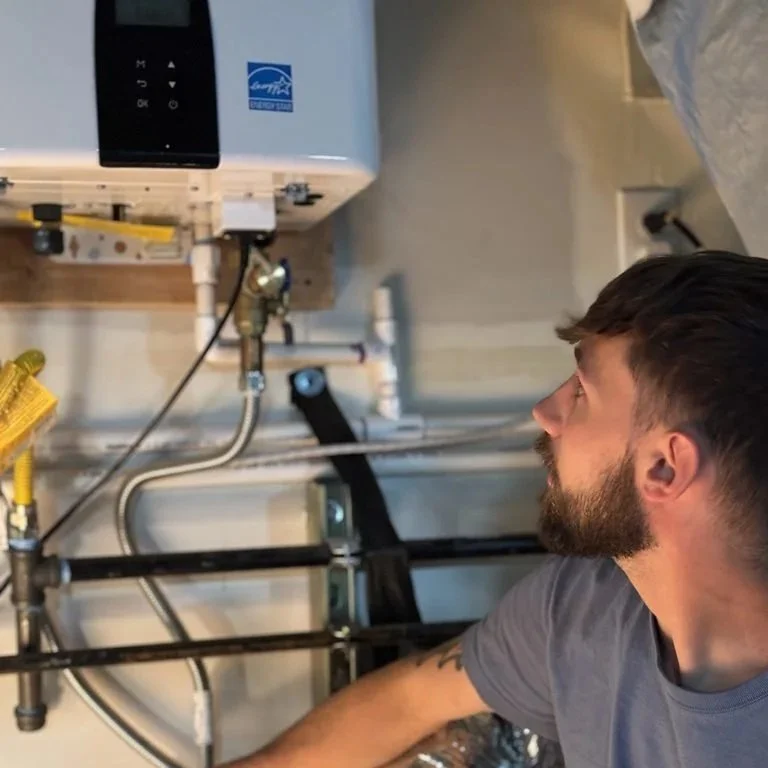
Aging water heaters don't always go out with a bang—they often fade into inefficiency long before they finally quit.
Water heaters have a way of slowly slipping into retirement. The showers aren't quite as steamy, the laundry takes longer, or there's that odd sound in the basement that no one wants to investigate. Aging water heaters don't always go out with a bang—they often fade into inefficiency long before they finally quit.
That's where professional water heater replacement comes in. Upgrading to a newer, energy-saving model isn't just about restoring hot water. It's about dialing back energy costs, improving performance, and saying goodbye to the rusty tank that's been threatening to leak since last winter.
Recognizing the Signs of an Outdated Unit
A water heater doesn't need to flood the floor to signal it's past its prime. If the system takes longer to heat water, runs out faster than it used to, or cycles more often, those are subtle signs of wear.
Rust-colored water, strange popping or rumbling noises, and visible corrosion on the tank are more obvious indicators. Anything over ten years old starts living on borrowed time—especially if regular maintenance hasn't been part of the household routine.
Professionals assess the condition of the current system and help decide whether it's worth nursing along or it's finally time to upgrade.
The Energy Cost of Hanging On Too Long
Older water heaters don't just underperform—they use more energy to do so. As sediment builds up inside the tank, efficiency drops. Heating elements work harder, gas burners cycle more frequently, and the whole system strains to meet even modest demand.
Those extra efforts show up on the utility bill. Replacing an inefficient water heater with a modern, energy-saving model can shave a noticeable chunk off monthly costs. Tank-style units now come with better insulation, smarter thermostats, and faster recovery rates. Tankless models eliminate standby losses altogether by heating water only when it's needed.
That means more consistent hot water and fewer dollars down the drain.
Choosing Between Tank and Tankless Options
Replacement time is the perfect opportunity to revisit whether a tank or tankless system makes more sense. Tank units are reliable and familiar, with straightforward installation and predictable performance.
Tankless water heaters, on the other hand, heat water on demand and offer endless hot water without the bulk of a large tank. They also last longer and take up less space, making them a great fit for smaller homes or growing families who use water at staggered times throughout the day.
Professionals help homeowners weigh the pros and cons based on layout, usage, and energy goals. Some homes may even benefit from hybrid systems or multiple tankless units—strategies that maximize performance while keeping costs manageable.
Sizing the New System for Better Results
Too small, and the water runs cold. Too large, and energy gets wasted. Proper sizing is critical during a water heater replacement. Professionals don't just swap out old for new—they calculate daily usage, number of fixtures, and peak demand to right-size the system.
Tank water heaters are measured by storage capacity and recovery rate. Tankless systems are rated by flow rate and required temperature rise. Choosing the right unit involves a little math and a lot of experience—because the goal is consistent comfort, not guesswork.
Upgrading Venting and Plumbing During Installation
New water heaters often come with different venting or plumbing requirements than the system they're replacing. A gas tank unit might require a new flue, while a tankless heater may need sidewall venting and upgraded gas lines.
Professionals inspect existing connections and adapt them to current code requirements. That may mean rerouting a drain line, upsizing a gas connection, or installing a condensate pump. Every detail counts—from pipe diameter to vent slope—to make the new unit run safely and efficiently.
And when the job's done right, no one has to worry about pilot lights going out, backdrafting fumes, or mystery puddles under the tank.
Smart Features Add Value Without the Guesswork
Modern water heaters come with features that older units never dreamed of. Digital displays, vacation modes, leak detection sensors, and even app-controlled temperature adjustments are now part of the package.
Professionals install and configure these features during the replacement process, walking homeowners through how to use them effectively. A quick tap on a smartphone can now fine-tune the temperature or schedule a recirculation cycle—small upgrades that add daily convenience and long-term savings.
It's not about tech for tech's sake. It's about smarter control over how and when hot water flows through the home.
Managing Sediment and Hard Water
Older tanks often suffer from years of sediment buildup—something many homeowners don't notice until the replacement process reveals a thick layer of mineral sludge at the bottom. That buildup reduces tank capacity and forces heating elements to work overtime.
Professionals use the replacement as a clean slate, recommending water treatment options like sediment filters or softeners when needed. In areas with hard water, tankless units benefit from scale-reduction systems and regular flushing.
Protecting the new heater from mineral deposits improves efficiency and extends its lifespan—something every homeowner appreciates when the unit is still going strong a decade later.
Removing the Old Unit Without a Mess
Getting the old heater out is part of the job, but it can be the messiest part without the right approach. Rusty fittings, bulky tanks, and tricky staircases all make removal a challenge.
Professionals drain the tank safely, protect surrounding flooring, and navigate the removal process without leaving behind damage. They also dispose of the old unit responsibly, recycling what can be salvaged and safely disposing of the rest.
No trail of water spots. No scraped drywall. Just a clean exit for the old and a smooth welcome for the new.
Installing with Code and Safety in Mind
Water heater replacement must meet local code requirements, including venting, earthquake straps, drip pans, pressure relief valves, and more. Codes vary by location, and skipping even one requirement can lead to failed inspections or unsafe conditions.
Professionals install with current codes in mind, using approved materials and practices from the start. Permits are pulled when necessary, and installations pass inspection the first time.
It's not about checking boxes—it's about giving the homeowner a water heater setup that's safe, compliant, and ready for anything.
Explaining the System Before Walking Away
Once the new unit is in place and running, professionals walk through everything homeowners need to know. From thermostat settings to flushing procedures and emergency shutoff steps, clear guidance helps keep the system running smoothly.
For digital systems, setup includes connecting to Wi-Fi or programming basic settings. For standard models, the walkthrough might include how to test the relief valve or what noises are normal (and what aren't).
Leaving behind confidence is just as important as leaving behind hot water.
Keeping the Heat Going Strong
Routine maintenance helps protect the investment. Flushing tank units once or twice a year, descaling tankless systems, and checking anode rods all improve performance and lifespan.
Professionals often offer maintenance reminders or service plans to help homeowners stay on schedule. Regular, minimal care prevents performance drops, energy spikes, and premature wear.
After all, no one wants to be surprised by cold water when they thought the new heater still had years to go.
Saving Energy, Saving Money
Water heater replacement might not be the most glamorous home improvement, but it ranks high on the list of energy-saving improvements. With newer, more efficient models and smarter controls, today's systems run cleaner, quieter, and more consistently than ever.
Professionals match the home's needs with the right equipment, install it correctly, and set it up for long-term success. Whether it's a high-efficiency tank or a sleek tankless upgrade, the result is the same—reliable hot water, fewer utility spikes, and a system that works as hard as the people it serves.
PEX Plumbing and Repiping specializes in providing water heater installation (tank and tankless), water heater replacement, expansion tank installation, and hot water recirculation system installation services in Portland, Hillsboro, Beaverton, Vancouver, WA, and surrounding areas. Our team of licensed, bonded, and insured professionals offer trusted solutions and transparent quotes. We only work with trusted products and brands. Call today to request a free estimate.
