
Detecting Water Line Leaks with Precision Technology
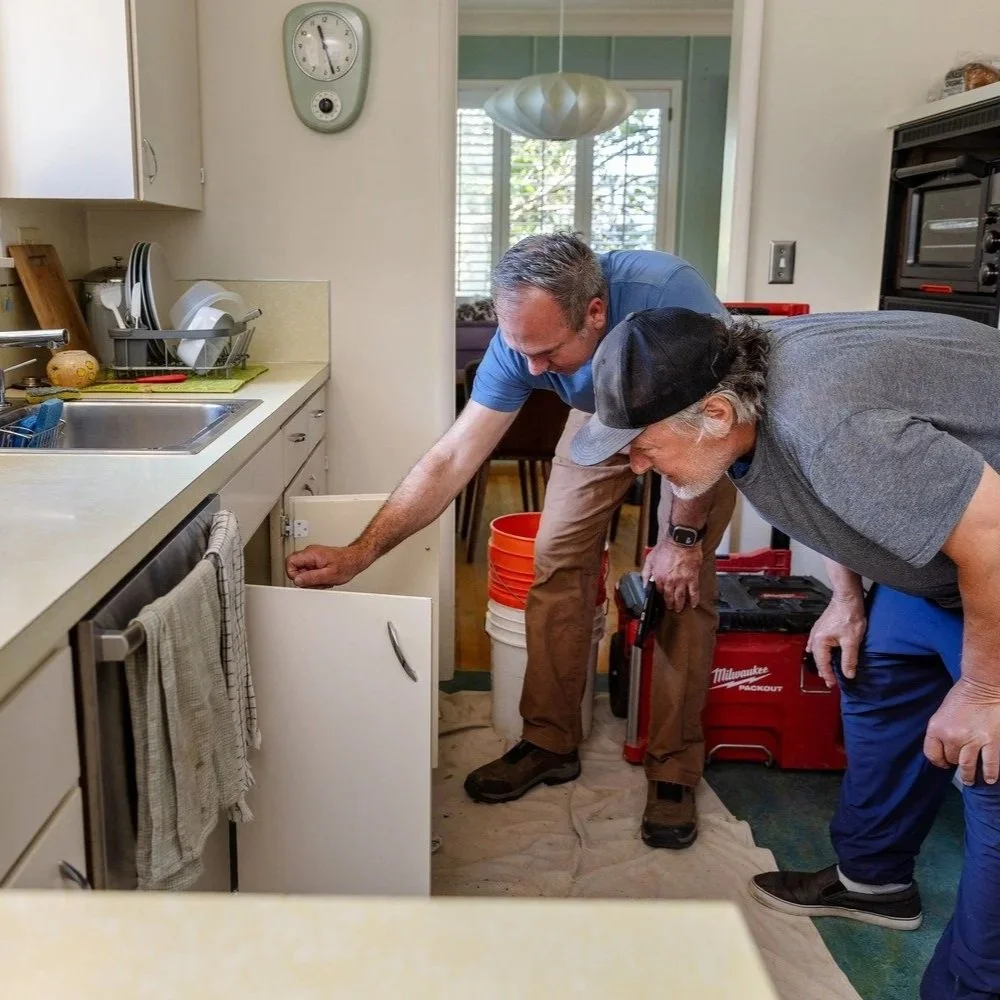
It’s like a game of hide-and-seek, except the stakes include warped floors, eroded foundations, and mold parties no one invited.
Water leaks have a way of hiding in plain sight. They sneak behind walls, travel under slabs, and sometimes make an appearance through a faint stain or unexpected spike in the water bill. It’s like a game of hide-and-seek, except the stakes include warped floors, eroded foundations, and mold parties no one invited.
That’s why professional water line leak detection calls for more than a flashlight and a hunch. Precision technology steps in where the naked eye leaves off, giving plumbers the upper hand in tracking down leaks before they evolve into full-blown disasters.
Listening Below the Surface
One of the most trusted tools in the leak detection arsenal is acoustic listening technology. Every water line, when pressurized, carries a natural hum. A leak interrupts that flow, producing its own unique sound signature—sometimes a hiss, sometimes a gurgle, sometimes a full-on whoosh.
Technicians use ground microphones and amplifiers to listen beneath concrete slabs, asphalt driveways, or garden beds. It’s like using a stethoscope, but instead of hearing heartbeats, they’re tuned in to whispers of escaping water.
The process involves methodical sweeps and zone isolation. Technicians compare readings from multiple points to pinpoint the leak’s exact location. No jackhammers needed until the evidence speaks loud and clear.
Thermal Imaging Adds a Visual Advantage
Water doesn’t just make noise—it carries temperature. Thermal imaging cameras detect temperature shifts in walls, floors, and ceilings. A leaking hot-water line may appear as a warm streak across a cold slab. A cold-water leak might reveal itself through subtle cooling patterns on an otherwise warm surface.
Thermal detection offers a non-invasive way to verify hidden leaks without tearing into the structure. Professionals use it to cross-reference their acoustic findings and build a clearer picture of the issue. It’s not just fancy gear—it’s smart problem-solving with a heat map.
Pressure Testing Finds the Weak Link
Sometimes the first sign of a water line leak is a mysterious pressure drop. You turn off every faucet, and the meter still spins like it’s training for a marathon. That’s when pressure testing comes into play.
Technicians isolate the suspected zone, then pressurize the line with either air or water. If the system doesn’t hold pressure, there’s a leak somewhere along the line. The process helps determine not only the presence of a leak but also which section of the pipe needs attention.
Pressure testing also guides decision-making on whether to replace the pipe partially or fully. Knowing exactly where the failure starts and stops helps plan smarter repairs with minimal disruption.
Slab Leaks Call for Specialized Tools
Leaks under concrete are in a category all their own. Slab leaks often form silently, eroding soil and compromising foundations before there’s a single drop of water on the floor. Catching these early requires sharp ears, tuned equipment, and a whole lot of know-how.
In addition to acoustic gear and thermal imaging, slab leak detection may include tracer gas methods. Technicians pump a harmless gas, such as hydrogen or nitrogen, into the water line, then use sniffers to detect where it escapes through the slab. It’s like leak hunting with a bloodhound that happens to be made of sensors.
When the leak’s exact location is confirmed, access can be made directly at the source—no guessing, no unnecessary digging.
Moisture Meters Reveal Hidden Clues
Sometimes, the leak doesn’t want to introduce itself all at once. Maybe it’s behind a baseboard, under a cabinet, or in a ceiling corner that no one checks. That’s where moisture meters come in.
Moisture meters detect the presence of water in building materials such as drywall, wood, and flooring. Professionals scan suspected areas and compare readings against known dry spots. Elevated readings without visible staining are a red flag—and often the first step in narrowing down a sneaky leak.
These meters work in tandem with thermal and acoustic tools to confirm where to open walls or ceilings for repair: less guesswork, more accuracy.
Digital Correlators Connect the Dots
When water travels far from its original escape point, it complicates the story. A wet carpet might not mean the pipe is right underneath. That’s where digital correlators step in.
Correlators use multiple sensors placed along a water line to detect leak noise. The system calculates how long it takes the sound to reach each sensor and triangulates the leak’s exact location. It’s math, science, and wizardry all rolled into one tidy device.
Especially useful for long pipe runs—like those between street connections and buildings—digital correlators eliminate the guesswork and shorten the repair timeline.
Tracing Dye Brings Leaks to Light
In some instances, technicians use harmless dye to track water movement through surfaces. A small amount of colored liquid is introduced into the line, or a suspected leak point, and the surrounding area is monitored for signs of dye migration.
It’s simple but effective. If the dye shows up on the floor, inside a wall cavity, or under the slab, the location is confirmed. It’s beneficial for slow leaks or intermittent ones that like to stay hidden until the most inconvenient moment.
Why Professional Detection Beats Guess-and-Chip
Locating a water line leak without the right tools is like chasing smoke in the wind. Old-school methods involve cutting open drywall or pulling up flooring based on hunches. That means more damage, longer downtime, and higher costs.
Professional detection services use non-invasive, evidence-based strategies. They gather data, compare signals, and act only when the leak’s location is confirmed. That accuracy translates to faster repairs, lower costs, and fewer holes in the home.
Detecting Leaks in Commercial Systems
Commercial water systems present larger-scale challenges—longer lines, higher pressure, and more potential impact from leaks. Precision detection becomes even more important when slab lines feed multiple units or restrooms across a warehouse.
Professionals adapt tools to handle commercial pipe sizes and use mapping software to log detection points across the property. Whether the leak is under a warehouse floor or in a hotel ceiling, the same principles apply: listen, measure, and act precisely.
Planning Repairs Based on Reliable Data
Once the leak is found, the repair plan begins. Thanks to accurate water line leak detection, technicians know where to cut, what to replace, and how to get in and out with minimal impact.
In many cases, repairs involve localized excavation or concrete access. Other times, rerouting the line entirely makes more sense—especially if the original line has seen better days.
Knowing exactly what’s going on underground or behind the wall helps make that call with confidence.
Precision diagnosis means smarter repairs, not overbuilt ones. And that saves time and money for everyone involved.
Technology Evolves, but the Mission Stays the Same
Tools will continue to evolve. Sensors will shrink, software will grow smarter, and leak detection methods will only get better with time. But the core mission remains the same: protect the property, minimize disruption, and stop the leak before it becomes a major problem.
With today’s precision technology, water line leak detection is more accurate, more efficient, and more respectful of the homes and buildings it serves. And let’s face it—when a plumbing emergency is in full swing, it’s nice to know someone’s walking in with more than a wrench and a prayer.
The licensed, bonded, and insured plumbing experts at PEX Plumbing and Repiping provide reliable waterline services. From water service line replacement with PEX pipe to water service line replacement via trenchless method, we ensure to restore water flow and pressure. We have years of experience serving homeowners in services to homeowners in Portland, Hillsboro, Beaverton, Vancouver, WA, and surrounding areas. Call us or request a quote online.
