
How-To: Assess If Your Hillsboro Home Needs PEX Repiping
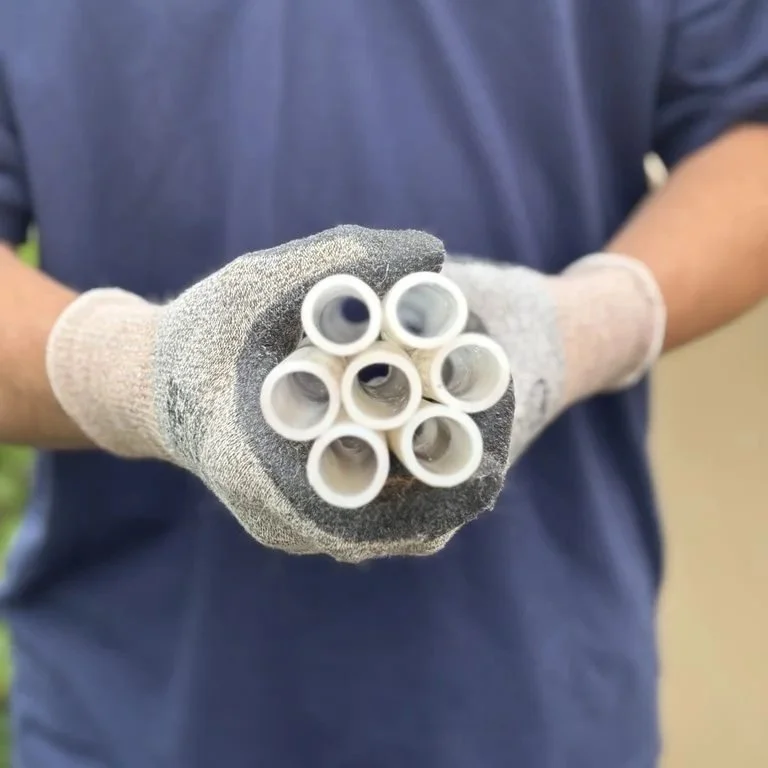
Modern PEX repiping replaces outdated plumbing lines to restore consistent water pressure, cleaner water, and long-term system reliability in Hillsboro homes.
Understanding PEX Repiping and Why It Matters in Hillsboro
What “Repiping” Actually Means for a Hillsboro Home
Repiping refers to replacing the primary water distribution lines that supply water to fixtures, appliances, and mechanical systems throughout a home. In a Hillsboro home, repiping usually becomes relevant after years of small plumbing issues form a pattern rather than appear as isolated incidents. Pipes age internally long before failure becomes visible, and interior corrosion, scaling, or material fatigue often progresses silently behind walls. Repiping addresses the entire system rather than reacting to one leak or pressure issue at a time, shifting the focus from short-term fixes to long-term stability.
Many homeowners associate repiping with extreme disruption, but modern repiping work follows existing plumbing pathways whenever possible. Skilled plumbers route new lines through crawlspaces, attics, and utility chases to limit wall access and preserve finished spaces. The process replaces aging pipe materials with a new, consistent system designed to handle daily water demand without stress or uncertainty. Repiping changes how the plumbing behaves as a whole, restoring predictable pressure, cleaner water, and reliable performance throughout the property.
What Is PEX and How Does It Differ From Copper and Galvanized Pipes
PEX is a flexible plastic piping material engineered specifically for residential water systems. Unlike galvanized steel, PEX does not rust or corrode from the inside, and unlike copper, it tolerates movement and pressure fluctuations without developing stress cracks. Flexibility allows PEX lines to bend around framing members instead of relying on rigid fittings, reducing the number of joints hidden inside walls. Fewer joints mean fewer long-term failure points as the system ages.
Material differences become more apparent over time rather than immediately after installation. Galvanized pipes gradually narrow as corrosion builds, choking water flow even when supply pressure remains adequate. Copper pipes can perform well for decades, but may develop pinhole leaks as protective layers break down under local water chemistry conditions. PEX maintains smooth interior walls and a consistent diameter, supporting steady flow and reducing strain on fixtures and appliances over time.
Why Hillsboro Homes Specifically May Need PEX Repiping
Hillsboro includes neighborhoods built across several construction eras, many of which relied on plumbing materials now approaching or exceeding their expected service life. Homes built during periods when galvanized steel or early copper dominated residential construction often show a gradual system-wide decline rather than sudden failure. Local water composition interacts differently with older materials, accelerating internal wear even when visible pipes appear intact.
Many Hillsboro homes also feature mixed plumbing systems resulting from partial remodels or additions. Connecting newer pipe materials to aging sections places uneven stress on older components, increasing failure risk. PEX repiping removes mismatched transitions by creating a unified system that handles modern water-use patterns. Addressing the system proactively prevents small warning signs from turning into major water damage or emergency repairs.
Identifying the Type and Age of Your Existing Plumbing
How to Safely Inspect Visible Pipes in Your Hillsboro Home
Visible pipes offer valuable clues about a plumbing system’s age and condition. Areas beneath sinks, near water heaters, and inside crawlspaces often expose original materials. Galvanized steel appears dull gray with threaded joints, while copper shows a reddish brown tone that darkens with age. Older plastic pipes may look brittle or discolored compared to modern PEX. Observing material type and condition helps establish a baseline understanding of system health.
Inspection should remain visual only. Touching or disturbing aging pipes can trigger leaks when corrosion has thinned the pipe walls. A flashlight and camera allow documentation without physical contact. Noting corrosion, mineral buildup, or patch repairs helps reveal how often the system has required intervention. Those observations guide decisions about whether continued repairs remain practical or whether repiping deserves serious consideration.
Common Pipe Materials Found in Hillsboro Homes by Era
Homes built before the 1960s often used galvanized steel for water distribution. That material corrodes internally over time, gradually restricting flow and degrading water quality. Copper replaced galvanized piping in later decades and offered improved longevity, though copper systems still experience wear as water chemistry interacts with the pipe interior. Some homes from the late twentieth century contain polybutylene or other early plastic systems now known for widespread failure risk.
Partial upgrades complicate identification. A single home may contain galvanized trunk lines feeding copper branches or newer plastic sections tied into aging metal pipes. Those mixed systems age unevenly, creating unpredictable performance and localized failures. Understanding the era and material composition of existing plumbing clarifies why problems appear sporadically rather than following a consistent pattern.
Using Building Records and Permits to Estimate Plumbing Age
Building permits and renovation records often provide insight into when plumbing work occurred. City records may list water heater replacements, bathroom remodels, or permitted repiping projects. Reviewing those documents helps distinguish original construction from later upgrades. Homes lacking plumbing-related permits for several decades often still rely on aging systems nearing the end of their functional lifespan.
Inspection reports from prior home sales also provide valuable snapshots of plumbing condition at specific points in time. Comparing those notes with current symptoms highlights deterioration trends. Records alone cannot diagnose pipe condition, but they help frame realistic expectations about remaining service life and inform conversations with plumbing professionals.
Recognizing Water Quality and Color Issues
Discolored Water: What Different Colors May Indicate
Water discoloration often points toward internal pipe deterioration rather than municipal supply issues. Brown or reddish water often indicates rust from galvanized or steel pipes, which can cause internal corrosion. A blue or green tint may suggest copper corrosion, especially when water sits unused for extended periods. Cloudy water sometimes results from sediment stirred by rough interior pipe surfaces rather than temporary air pockets.
Persistent discoloration rarely resolves without addressing the pipe condition. Flushing fixtures may temporarily clear water, but corrosion continues to generate debris inside the system. Over time, discoloration worsens and begins affecting appliances, valves, and fixtures. PEX repiping removes corrosion sources entirely, restoring consistent water appearance and reducing long-term damage caused by sediment circulation.
Metallic or Odd-Tasting Water and What It Means
Metallic taste often serves as an early indicator of pipe degradation. As protective layers inside copper or steel pipes deteriorate, water absorbs trace metals that affect flavor and odor. Many Hillsboro homeowners initially attribute taste changes to municipal treatment adjustments, but in-home plumbing frequently contributes more significantly. Taste issues often appear before leaks or pressure loss become obvious.
Ignoring taste changes allows corrosion to continue unchecked. As pipe walls thin, failure risk increases, and water quality continues declining. PEX repiping resolves taste concerns at the source by delivering water through inert material that does not interact chemically with the supply over time.
Spotting Chronic Leak and Water Damage Problems
Frequent Leaks and Patch Repairs Over the Years
Recurring leaks across different areas of a home usually indicate systemic decline rather than isolated defects. Many homeowners notice a pattern where repairs become more frequent and less predictable. Each repair addresses an immediate issue while surrounding sections remain under the same aging conditions. Patchwork often clusters along similar pipe runs, revealing broader material failure.
Costs accumulate quietly through repeated service calls, drywall repairs, and water damage restoration. Over several years, reactive maintenance often exceeds the cost of planned PEX repiping. Addressing the entire system prevents ongoing disruption and limits secondary damage to finishes and structural components.
Hidden Leaks and Signs of Moisture in Walls or Ceilings
Hidden leaks cause damage long before water becomes visible. Staining, warped flooring, bubbling paint, or persistent odors indicate moisture trapped inside walls or ceilings. Water migrates along framing and insulation, spreading damage far from the original leak source. Locating hidden leaks becomes increasingly difficult as systems age and multiple weak points develop.
PEX repiping reduces hidden leak risk by replacing long sections of aging pipe rather than chasing individual failures. Flexible routing reduces stress behind walls and minimizes vibration-related wear. Removing deteriorating materials limits future moisture intrusion that compromises indoor air quality and structural integrity.
Evaluating Water Pressure and Flow Problems
Low Water Pressure at Multiple Fixtures
Pressure loss affecting multiple fixtures usually indicates internal restriction rather than fixture-specific issues. Galvanized pipes narrow as corrosion builds, reducing the effective diameter even when the supply pressure remains adequate. Over time, households adapt to declining pressure without realizing how much performance has been lost. Shower quality declines, appliances struggle to fill efficiently, and daily tasks take longer.
PEX repiping restores full diameter throughout the system, improving flow consistency under normal use. Smooth interior surfaces support stable pressure even during simultaneous demand. Many homeowners experience dramatic improvement after repiping, revealing how a gradual decline masked underlying system failure.
Big Pressure Drops When Multiple Fixtures Run
Pressure drops when multiple fixtures operate simultaneously expose limitations in distribution capacity. Older plumbing systems were designed for lower water demand and fewer appliances. Modern households place greater strain on aging pipes, accelerating wear and increasing failure risk.
PEX systems distribute water efficiently with balanced routing and minimal restriction. Improved flow supports contemporary usage patterns without stressing components. Addressing distribution limitations through repiping stabilizes performance rather than relying on temporary pressure boosting solutions.
Weighing Repair vs. Full or Partial PEX Repiping
Signs Your Home Has Moved Past the “Repair-Only” Stage
Homes eventually reach a point where continued repairs no longer provide meaningful value. That transition often becomes clear when leaks recur in different locations, water quality declines, and pressure issues affect daily routines. Repairs begin solving symptoms rather than addressing root causes, and unpredictability becomes the defining feature of the plumbing system.
PEX repiping resets that trajectory by replacing aging materials entirely. Planned replacement allows coordination with other maintenance or remodeling work, reducing disruption and cost. Moving beyond repair-focused thinking often brings relief by eliminating constant concern about the next failure.
Full-House PEX Repipe vs. Partial Repipe: Pros and Cons
Partial repiping replaces only the sections with specific problems, leaving other areas untouched. That approach may reduce immediate cost but retains aging materials that may fail later. Full house repiping replaces the entire distribution system, delivering uniform performance and predictable longevity. Decision factors include material age, layout complexity, and anticipated ownership duration.
Full repiping simplifies future maintenance by eliminating mixed material transitions. Partial approaches require careful planning to avoid introducing new stress points. Evaluating long-term goals helps determine which option aligns with realistic expectations rather than short-term convenience.
FAQs
A home usually moves beyond repairs when leaks appear in multiple locations, pressure problems affect daily use, and water quality issues persist despite fixture replacements. Frequent service calls and patchwork often signal system-wide deterioration rather than isolated failures. A professional assessment helps confirm whether underlying pipe materials have reached the end of their functional lifespan.
PEX repiping typically takes several days, depending on home size, layout, and access conditions. Water shutoffs occur in planned intervals rather than continuously. Most plumbers restore water at the end of each workday whenever possible, allowing households to maintain basic routines while the project progresses.
PEX is approved for residential use and widely installed in Hillsboro homes under current plumbing codes. The material resists corrosion and does not leach metallic taste to water. Proper installation by a licensed plumber follows local code requirements and inspection standards, supporting long-term safety and performance.
PEX repiping costs vary based on home size, layout complexity, accessibility, and restoration needs after installation. Smaller homes with clear access routes generally fall on the lower end of the price range, while multi-story or heavily finished homes require more labor. A detailed estimate accounts for piping, labor, permits, and surface repairs.
PEX Plumbing and Repiping is a trusted specialist offering repiping service, whole-house repiping, repiping of hot and cold water lines, and repiping of galvanized, copper, or polybutylene pipes for homeowners in Portland, Hillsboro, Beaverton, Vancouver, WA, and surrounding areas. Fully licensed, bonded, and insured. Count on us for fast turnaround times and clean and efficient service. Request a free quote today.
