
Diagnosing Plumbing Issues with Detailed Pressure Testing
One day everything flows smoothly, and the next day, faucets sputter, showers feel weak, or pipes hum like they’re plotting something.
Water pressure doesn’t come with a mood swing alert. One day everything flows smoothly, and the next day, faucets sputter, showers feel weak, or pipes hum like they’re plotting something. Hidden problems can lurk behind those subtle shifts, and water pressure testing offers the clearest path to figuring out what’s going on before minor annoyances turn into full-blown plumbing chaos.
Understanding the Role of Water Pressure
Water pressure isn’t just about shower strength. It’s the force that moves water through every faucet, appliance, and pipe. When pressure drops too low, performance suffers—clothes don’t rinse, dishwashers lag, and toilets struggle to refill. On the flip side, pressure that’s too high wears out seals, damages fixtures, and stresses pipe joints until they burst under the strain.
Professionals rely on water pressure testing to maintain that Goldilocks zone—not too strong, not too weak, just reliable flow without drama.
Recognizing Symptoms That Signal a Pressure Problem
A hissing toilet that never quite shuts off. A kitchen faucet that kicks out an unexpected blast. A washing machine hose that split without warning. These issues often stem from inconsistent or extreme water pressure.
Professionals look for patterns. Maybe it’s one fixture acting up, or maybe the entire home feels off. Pressure testing isolates the problem, revealing whether the system needs a minor adjustment or a closer inspection of potential leaks, clogs, or failing pressure regulators.
The Tools Behind the Diagnosis
Plumbing isn’t a guessing game when done right. Pressure testing involves attaching gauges at key access points—usually at hose bibs, sinks, or directly on the main line. These gauges provide instant feedback on static pressure (when no water is flowing) and dynamic pressure (when fixtures are in use).
A static reading above 80 psi signals potential danger for pipes and appliances. Too low, and it might point to blockages, valve issues, or supply limitations.
Professionals use that data to guide the next steps, whether that means installing a pressure-reducing valve, inspecting for sediment buildup, or checking the integrity of pipe joints behind walls or under floors.
Testing Isn’t Just for Leaks
Leak detection often steals the spotlight, but pressure testing does more than hunt for drips. It evaluates system health. It checks that pressure remains stable under demand, that valves function correctly, and that no part of the plumbing is overworked or underdelivering.
It also helps verify repairs. After replacing a section of pipe or installing a new fixture, professionals use pressure testing to confirm the system responds exactly as expected—with no strange fluctuations or warning signs.
Slab Leaks and the Role of Pressure
When a slab leak is suspected, pressure testing becomes part of the investigative process. A pressure drop on a closed water system may indicate a break beneath the slab, even when there’s no visible water.
Professionals isolate zones by turning off valves, testing individual branches, and watching how pressure behaves. It’s not just about finding water—it’s about proving where it’s escaping and how fast.
That knowledge guides repairs, helping decide whether to dig down, reroute lines, or replace compromised pipe sections.
Hot and Cold Sides Tell Different Stories
Pressure testing isn’t always performed on the entire plumbing system at once. Hot and cold water lines may behave very differently. Hot water lines face more expansion and contraction, which can loosen fittings or stress solder joints. Cold lines may be more prone to freezing damage or sediment buildup near supply valves.
Professionals test each side independently when needed, revealing issues specific to temperature-related pipe performance. The fix for one line isn’t necessarily the fix for the other.
When Valves and Regulators Misbehave
Sometimes the issue isn’t in the pipes at all. Pressure-reducing valves (PRVs), backflow preventers, and shut-off valves all affect how pressure behaves. A faulty PRV might let pressure spike intermittently, while a worn-out shut-off valve could restrict flow even when fully open.
Pressure testing helps narrow the search. If pressure readings bounce or sag depending on fixture use, professionals may recommend replacing or recalibrating the control components.
Good plumbing doesn’t just flow—it flows predictably.
Appliances Feel the Impact Too
Water heaters, washing machines, and dishwashers all rely on balanced pressure. Excessive force shortens their lifespan and voids warranties, while low pressure affects performance and water use.
Professionals include appliance connections in their pressure testing routine. They measure how pressure behaves at the inlet side and watch how fast tanks fill or drain. That holistic approach protects more than just the plumbing—it safeguards every system that depends on water.
Evaluating System Design During Remodels
In renovation or new addition scenarios, pressure testing offers peace of mind before walls are closed and finishes applied. Once new pipes or fixture lines are installed, technicians run tests to verify that everything is watertight and balanced.
This step prevents future headaches, such as pinhole leaks behind fresh drywall or uneven flow in upstairs bathrooms. It’s far easier to adjust pressure or redesign a loop before the tile is installed and the paint dries.
Identifying Hidden Restrictions
Sometimes pipes clog—not from what goes down the drain, but from what comes through the supply. Minerals, corrosion, and sediment can slowly narrow the pipe diameter, restricting flow without completely blocking it.
Pressure testing reveals those sneaky restrictions. A strong static pressure but weak dynamic pressure usually signals a clog. Professionals may recommend flushing, descaling, or replacing affected lines depending on severity and location.
Prepping the System for Long-Term Health
Water pressure testing doesn’t just diagnose problems; it also identifies them. It creates a baseline. Knowing how a system behaves under different conditions helps track wear over time and catch minor changes before they become major problems.
Some homeowners schedule annual tests, especially in areas with hard water or older plumbing infrastructure. That regular monitoring helps spot declining regulators, shifting pressure ranges, or early signs of leaks.
Addressing the Problem After the Pressure Test
Once the numbers are in, the real work begins. Depending on the results, solutions may include installing a pressure regulator, replacing clogged pipes, upgrading valves, or rerouting failing branches.
No matter the fix, it starts with accurate data. Water pressure testing makes plumbing less mysterious and more measurable. The pipe either holds pressure or it doesn’t. The system either flows evenly or reveals its weaknesses.
Helping Homeowners Understand Their System
One of the best parts of professional service is the explanation. After pressure testing, homeowners don’t just receive a diagnosis—they gain a clearer understanding of how their system works, what the readings mean, and how to prevent future issues.
Professionals walk through the results, recommend upgrades where needed, and take the time to demystify terms such as psi, static, dynamic, and flow rate. It’s plumbing fluency without the headache.
A Strong System Starts with Balanced Pressure
Every well-functioning plumbing system depends on stable water pressure. Not too forceful, not too weak. Pressure testing creates clarity. It reveals silent leaks, failing valves, underperforming fixtures, and hidden restrictions—all without swinging a hammer or tearing out a wall.
Professionals bring the right tools, timing, and approach to preserve plumbing systems and avoid reactive repairs. Pressure testing isn’t about fixing what’s broken. It’s about knowing exactly what’s happening and building solutions that last.
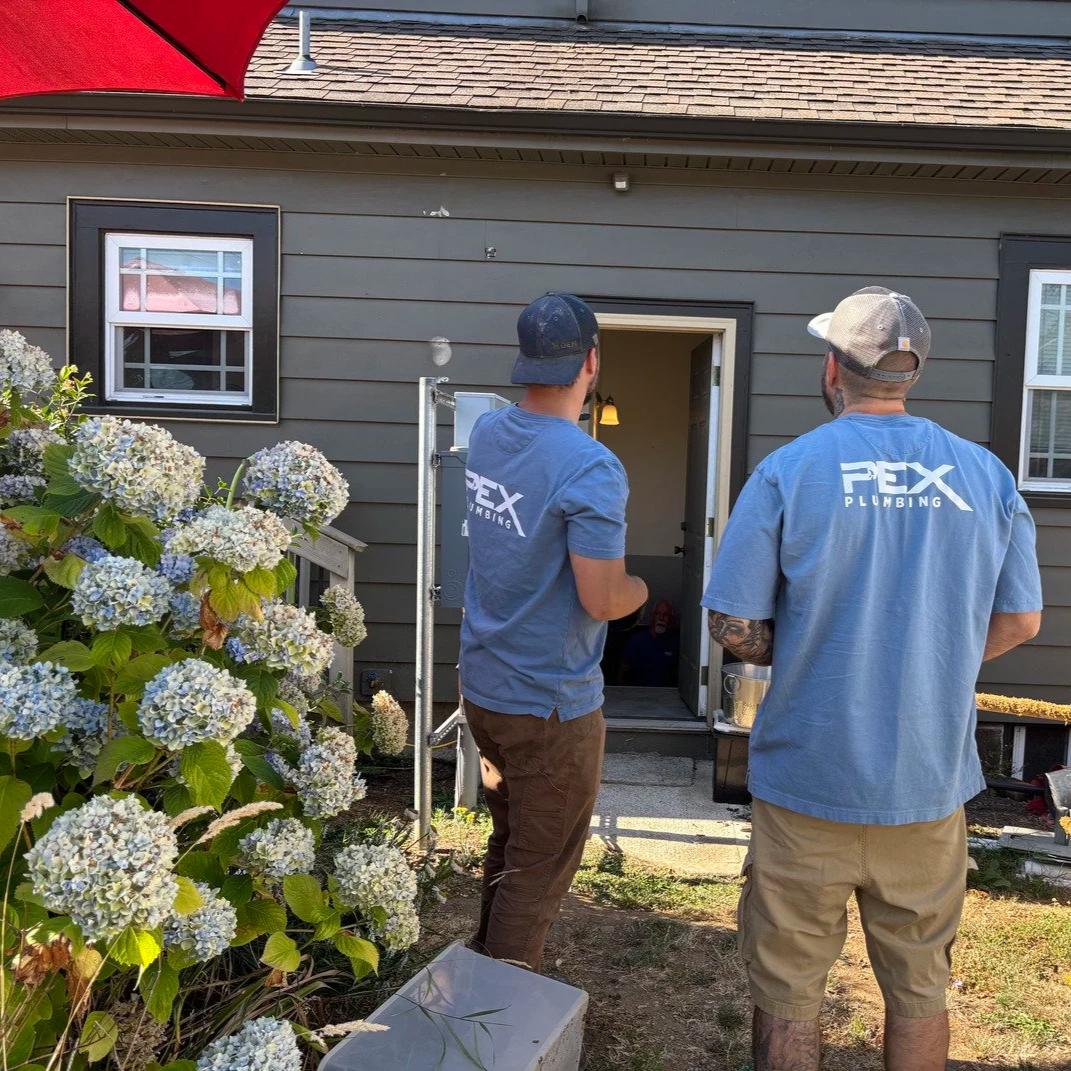
PEX Plumbing and Repiping proudly offers water pressure testing and adjustment, and plumbing for home additions or remodels to homeowners in Portland, Hillsboro, Beaverton, Vancouver, WA, and surrounding areas. We are well-equipped to handle all plumbing work in-house, ensuring fast turnaround. Licensed, bonded, and insured. Call today for a free estimate.
