
How-To: Prevent Pipe Bursts with PEX in Hillsboro’s Climate
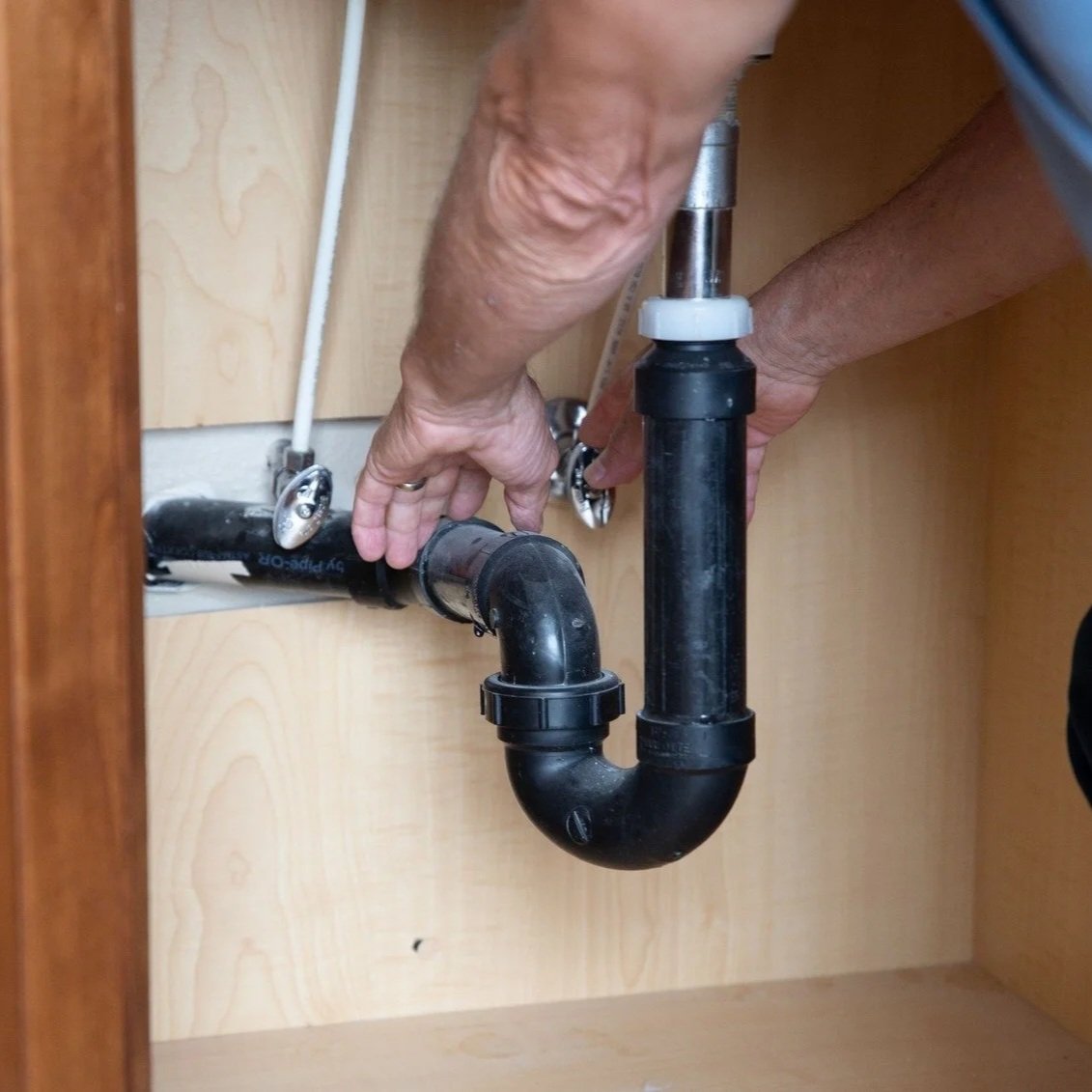
Explainer graphic showing how Hillsboro, OR climate causes pipe stress through temperature swings, soil moisture, and structural movement leading to potential pipe bursts.
Why Hillsboro’s Climate Creates Unique Pipe Burst Risks
Hillsboro, OR, sits in a climate that quietly challenges residential plumbing systems in ways many homeowners underestimate. Winters rarely bring prolonged deep freezes, but frequent temperature swings create repeated expansion and contraction inside pipes. A cold snap overnight, followed by daytime warming, places stress on rigid materials that were never designed for constant movement. Moist soil conditions common in the area also affect foundations and crawlspaces, subtly shifting structures over time. Pipes buried beneath slabs or routed through exterior walls experience compounded stress as ground moisture, temperature changes, and building movement interact.
Pipe bursts rarely occur because of a single extreme event in this environment. Instead, failure builds gradually as metal pipes fatigue under repeated cycles of pressure and temperature change. Small cracks form, joints loosen, and weak spots develop long before water escapes dramatically. Homeowners often feel blindsided when a pipe finally bursts because warning signs went unnoticed or seemed unrelated. Understanding how Hillsboro’s climate applies constant low-level stress explains why proactive prevention matters more than reactive repair.
How Traditional Pipe Materials Respond to Cold Stress
Older homes across Hillsboro often rely on galvanized steel or copper piping installed decades ago. These materials behave predictably under stable conditions but struggle when exposed to repeated thermal movement. Metal pipes expand when water warms and contract as temperatures drop. Over years of cycling, that movement weakens pipe walls and stresses joints. Galvanized steel becomes particularly vulnerable as internal corrosion thins walls unevenly, leaving sections prone to splitting under pressure changes.
Copper pipes face different challenges. While corrosion may be less visible initially, copper becomes brittle over time, especially when water chemistry contributes to internal wear. Sudden temperature drops can cause rapid contraction, concentrating stress at fittings or bends. Ignoring these responses allows damage to accumulate silently. When metal pipes finally fail, the burst can appear sudden, even though deterioration has been ongoing for years. Recognizing how traditional materials respond to Hillsboro’s climate explains why prevention requires more than insulation or seasonal precautions.
Understanding Why Pipe Bursts Often Happen Overnight
Many homeowners discover pipe bursts in the morning, often after water has been flowing unseen for hours. Overnight temperature drops allow water in pipes to cool and contract, especially in exterior walls, crawl spaces, or unheated areas. As water contracts, pressure inside rigid pipes changes unevenly, exploiting existing weaknesses. Small cracks widen, joints shift, and in some cases, ice formation creates internal expansion forces that rigid materials cannot absorb.
Overnight conditions also reduce water usage, allowing pressure to stabilize at higher levels. Without fixtures opening to relieve stress, pipes remain under constant load during the coldest hours. In Hillsboro homes with aging plumbing, these conditions combine to create the perfect environment for failure. Understanding this pattern highlights why prevention focuses on material resilience rather than relying solely on heat retention or behavioral changes.
How PEX Handles Temperature Changes Differently
PEX tubing responds to temperature fluctuations in a fundamentally different way than metal piping. Rather than resisting expansion and contraction, PEX flexes slightly as conditions change. When water cools or warms, the tubing absorbs movement without concentrating stress at joints or fittings. This flexibility allows PEX to tolerate Hillsboro’s frequent temperature swings without developing the fatigue cracks that plague rigid materials.
PEX also reacts differently if the water inside begins to freeze. While no pipe material benefits from freezing, PEX can expand outward slightly, accommodating ice formation without splitting in many cases. Once temperatures rise, the tubing returns to its original shape. Over time, this resilience reduces the likelihood of catastrophic failure during unexpected cold snaps. Understanding this behavior explains why PEX plays a central role in long-term pipe burst prevention rather than short-term fixes.
The Role of Soil Moisture and Ground Movement
Hillsboro’s climate includes extended periods of rainfall that saturate soil around foundations. Moist soil expands, contracts, and shifts as conditions change, applying subtle pressure to slabs, footings, and crawlspaces. Plumbing routed through or beneath these areas experiences ongoing movement even when temperatures remain moderate. Rigid pipes resist that movement, transferring stress to joints and connection points that eventually weaken.
PEX adapts more easily to ground movement because it bends without cracking. Flexible tubing tolerates shifts that would fracture metal lines or loosen threaded fittings. Over years of seasonal soil changes, this adaptability significantly reduces failure risk. Preventing pipe bursts in Hillsboro requires acknowledging that temperature alone does not cause damage. The environmental movement plays an equally important role, making material choice critical for long-term reliability.
Why Insulation Alone Is Not a Complete Solution
Pipe insulation is often the first line of defense against cold-related plumbing issues. Insulation slows heat loss, helping water remain above freezing temperatures during brief cold spells. While beneficial, insulation does not address the underlying vulnerability of rigid pipes exposed to repeated thermal cycling. Insulated metal pipes still expand and contract, accumulating stress that insulation cannot prevent.
Homeowners who rely solely on insulation often experience delayed failures rather than avoided ones. Insulation may prevent freezing during mild winters, but it does not reverse corrosion, thinning walls, or joint fatigue. PEX complements insulation by providing flexibility that works alongside temperature control measures. Preventing pipe bursts requires both environmental management and resilient materials, rather than relying on insulation alone.
How Pipe Routing Influences Burst Risk
Pipe location plays a major role in how climate affects plumbing systems. Lines routed through exterior walls, unheated crawl spaces, or attics are more exposed to temperature fluctuations. Older Hillsboro homes often feature plumbing layouts that prioritize convenience during construction rather than long-term performance. Rigid pipes in these locations experience amplified stress as temperatures shift more dramatically than inside conditioned spaces.
PEX allows more strategic routing because it bends easily and requires fewer fittings. Installers can reposition lines away from high-risk zones or reduce exposure lengths without extensive demolition. Improved routing lowers burst risk by minimizing direct exposure to cold and reducing the number of vulnerable connection points. Over time, thoughtful routing paired with flexible materials creates a system that tolerates environmental challenges rather than fighting them.
Pressure Fluctuations During Cold Weather
Cold weather often changes household water usage patterns. Residents may use more hot water, appliances run differently, and outdoor hose bibs remain unused. These shifts alter pressure dynamics inside the plumbing system. Older pipes, already weakened by corrosion or fatigue, may not withstand sudden pressure changes well. When pressure spikes occur during cold conditions, failure becomes more likely.
PEX systems absorb pressure fluctuations more effectively than rigid piping. Flexible walls dampen shock waves created when fixtures open or close quickly. Over time, reduced pressure stress protects fittings and valves throughout the system. Preventing pipe bursts involves managing both temperature and pressure behavior, which PEX supports more naturally than traditional materials.
Recognizing Early Warning Signs of Cold-Related Stress
Pipe bursts rarely occur without warning, but the signs often go unnoticed. Small pressure changes, brief discoloration, or occasional noises during cold mornings signal that pipes are under stress. In Hillsboro homes, these symptoms often appear during the first cold snaps of the season. Ignoring them allows damage to progress silently until a rupture occurs.
PEX systems exhibit fewer of these warning signs because they adapt to changing conditions. When homeowners notice recurring cold-weather plumbing issues, material limitations often play a role. Recognizing these patterns early allows for proactive upgrades that prevent future emergencies rather than reacting to damage after it occurs.
Protecting Pipes in Crawlspaces and Exterior Walls
Crawl spaces and exterior walls are among the most vulnerable areas for plumbing in Hillsboro homes. These spaces experience greater temperature fluctuation than interior walls and often lack consistent insulation or climate control. During colder nights, pipes in these locations cool rapidly, especially when air circulation increases due to wind or pressure changes around the foundation. Rigid piping materials react poorly under these conditions, contracting unevenly and placing concentrated stress on joints and fittings. Over time, even modest cold exposure creates fatigue that weakens pipe integrity long before an actual freeze occurs.
PEX performs differently in these high-risk areas because flexibility allows it to tolerate movement and temperature variation without cracking. The tubing bends slightly as conditions change, distributing stress along the length of the pipe rather than concentrating it at connection points. This adaptability becomes especially important in crawlspaces where soil moisture and foundation movement combine with temperature swings. Long-term protection comes from pairing flexible materials with thoughtful routing and insulation rather than relying solely on environmental controls.
Preventing Bursts at Shutoff Valves and Connection Points
Pipe bursts often occur at fittings rather than along straight pipe runs. Valves, elbows, and threaded connections create natural stress concentrations where movement and pressure changes accumulate. In older Hillsboro plumbing systems, these points are particularly vulnerable to corrosion, mineral buildup, or improper support. Cold weather amplifies the issue as metal fittings contract more rapidly than the surrounding pipe, loosening seals and creating failure points that rupture under pressure.
PEX repiping reduces fitting-related burst risk by minimizing the number of joints required. Flexible tubing bends around corners rather than relying on multiple elbows, reducing the number of vulnerable connections. When fittings are necessary, modern PEX connection methods tolerate movement better than threaded metal joints. Over time, fewer stress points translate into a system that withstands cold-weather pressure without developing weak links that fail unexpectedly.
How Aging Plumbing Magnifies Cold-Weather Risk
Plumbing systems rarely fail solely because of age. Instead, aging magnifies vulnerability to environmental stress. Pipes installed decades ago in Hillsboro homes have already endured thousands of expansion and contraction cycles. Corrosion thins walls, joints loosen gradually, and previous repairs introduce mixed materials that respond differently to temperature. When cold weather arrives, these compromised systems lack the resilience to absorb additional stress.
PEX repiping resets that aging timeline by replacing fatigued materials with tubing designed to tolerate movement. New systems respond predictably to cold exposure rather than reacting unpredictably based on hidden weaknesses. Preventing bursts involves recognizing that older plumbing has less margin for error. Upgrading materials addresses accumulated fatigue rather than attempting to manage it through temporary measures.
Why Short Cold Snaps Still Cause Major Damage
Hillsboro winters rarely produce extended deep freezes, but short cold snaps still cause significant plumbing damage each year. Pipes fail not because temperatures remain low for days, but because rapid temperature changes create sharp contraction and expansion cycles. A brief freeze followed by warming can stress pipes more than a steady cold period. Rigid materials struggle with these rapid shifts, especially when water inside pipes repeatedly freezes and thaws.
PEX tolerates these cycles more effectively because it stretches slightly under expansion and returns to shape afterward. This elasticity reduces internal pressure buildup during freezing conditions and lowers the chance of rupture during thawing. Preventing pipe bursts in Hillsboro requires planning for variability rather than extreme cold alone. Flexible materials perform better in climates defined by fluctuation rather than sustained freezing.
FAQs
Pipes can burst even when temperatures hover just below freezing, especially during rapid overnight drops. Short cold snaps create expansion and contraction cycles that stress aging pipes. Repeated exposure increases failure risk over time.
PEX pipes can freeze if exposed to sufficiently cold conditions, but the material tolerates freezing better than rigid piping. Flexible walls expand slightly, reducing rupture risk. Proper routing and insulation further lowers freezing concerns.
Insulation helps slow heat loss but does not address material fatigue or joint stress. Rigid pipes still expand and contract under insulation. Combining insulation with flexible materials provides stronger long-term protection.
Crawlspaces experience greater temperature fluctuation and moisture exposure than interior areas. Pipes in these spaces cool faster and experience more movement. Material flexibility plays a major role in reducing failure risk.
The best time is to plan before winter arrives, when conditions allow for controlled installation. Preventive upgrades avoid emergency repairs and allow thoughtful routing. Early action reduces cold-weather stress on vulnerable systems.
PEX Plumbing and Repiping is a trusted specialist offering repiping service, whole-house repiping, repiping of hot and cold water lines, and repiping of galvanized, copper, or polybutylene pipes for homeowners in Portland, Hillsboro, Beaverton, Vancouver, WA, and surrounding areas. Fully licensed, bonded, and insured. Count on us for fast turnaround times and clean and efficient service. Request a free quote today.
