
How-To: Addressing Multi-Unit Hillsboro Properties with PEX Repiping
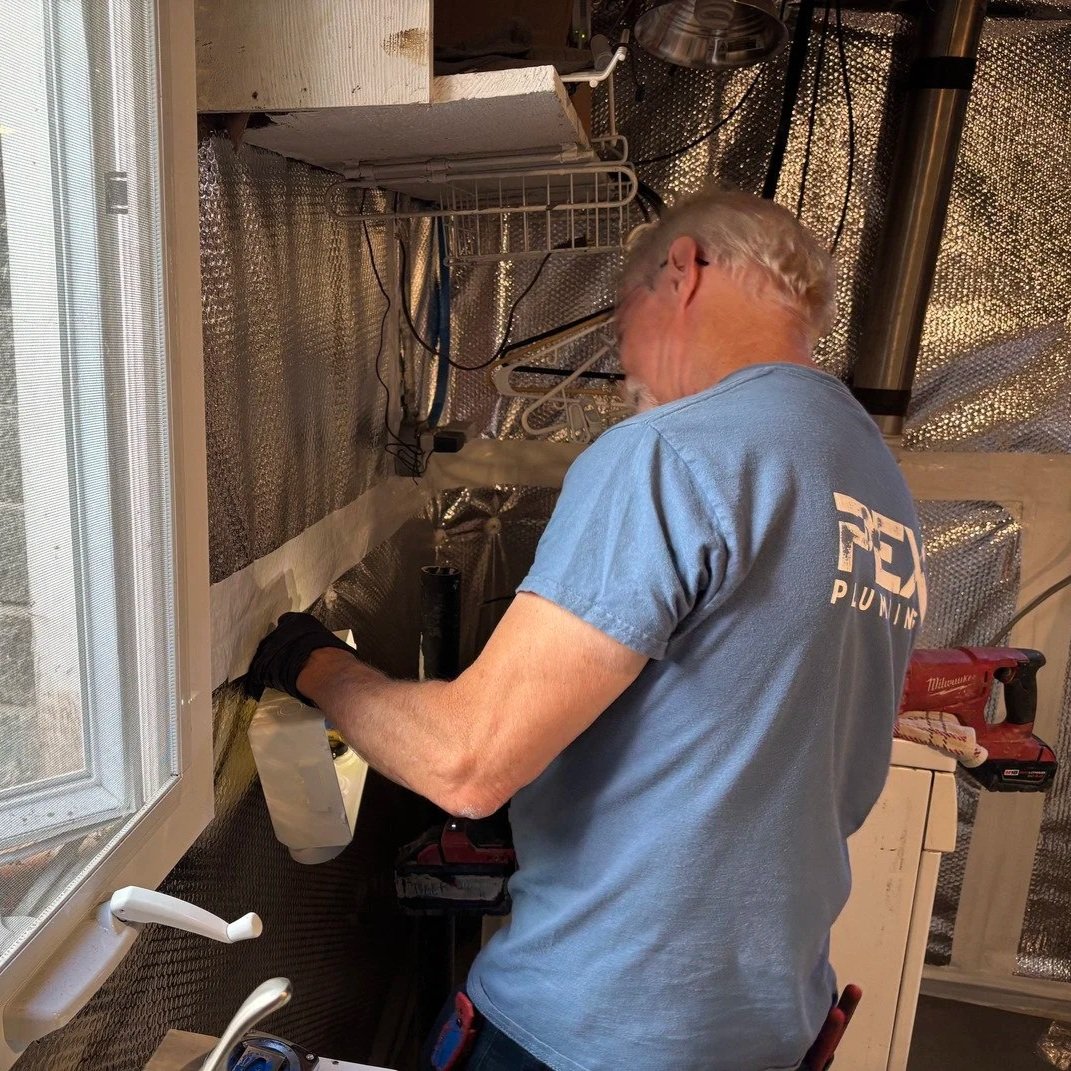
Upgrading multi-unit Hillsboro properties with PEX ensures reliable water flow, reduces leaks, and modernizes aging plumbing systems.
Understanding Why Multi-Unit Plumbing Fails Differently
Multi-unit properties in Hillsboro, OR, experience plumbing stress in ways that single-family homes never do. Shared supply lines, vertical risers, and simultaneous water use across multiple units place constant demand on systems that were often designed decades ago for lighter loads. Older apartment buildings and townhome complexes frequently rely on galvanized steel or early copper piping that has endured years of mineral buildup, corrosion, and pressure cycling. Problems rarely appear all at once. Instead, owners see recurring leaks across units, uneven water pressure between floors, and maintenance calls that never fully resolve. Each repair addresses a symptom without resolving the system-wide fatigue underneath.
PEX repiping comes into play when owners realize that piecemeal fixes are no longer stabilizing the building. In multi-unit environments, one compromised section can affect dozens of residents through pressure drops, temperature swings, or emergency shutoffs. The cost of disruption often outweighs the cost of proactive planning. Addressing these properties with PEX repiping means thinking beyond individual units and treating the building as a connected hydraulic system. Understanding how and why failures cascade in shared plumbing networks shapes every planning decision that follows and prevents repeating the same problems with newer materials.
Evaluating Building-Wide Plumbing Conditions Before Repipe Planning
Effective PEX repiping for multi-unit properties begins with a comprehensive evaluation that goes far beyond visible leaks. Hillsboro buildings often contain layered plumbing histories, with renovations adding new materials without removing old ones. Plumbers assess main supply lines, vertical risers, horizontal distribution runs, and unit-level branches to understand how water moves through the structure during peak demand. Pressure testing across multiple floors reveals imbalances that only appear when several units draw water at once. These patterns help identify undersized lines, flow restrictions, and stress points that cannot be corrected with isolated repairs.
Evaluation also includes understanding how plumbing interacts with the building itself. Access limitations inside walls, shared utility chases, and fire-rated assemblies influence routing decisions. Older properties may lack sufficient shutoff segmentation, requiring a single repair to shut down large portions of the building. Identifying these weaknesses early allows PEX repiping plans to incorporate isolation improvements that support long-term operations. A thorough evaluation prevents redesign mid-project and aligns installation strategies with how the property actually functions day to day, rather than how it appears on paper.
Planning PEX Repiping Around Shared Water Demand
Multi-unit properties experience predictable demand cycles that place unique strain on plumbing systems. Morning and evening usage spikes test pressure stability as residents shower, cook, and run appliances simultaneously. Older piping often struggles to maintain consistent flow during these periods, especially on upper floors. PEX repiping enables planners to redesign distribution paths to better accommodate shared demand. Proper pipe sizing and routing reduce pressure drops that frustrate residents and strain fixtures.
Planning also considers how water demand varies by unit type. Larger units with multiple bathrooms place different demands than studio layouts. Ignoring those differences leads to uneven performance even after repiping. PEX systems offer flexibility in line sizing, enabling balanced delivery without overbuilding the system. Long-term reliability improves when peak demand no longer exceeds the plumbing network's capacity. Planning around real usage patterns transforms PEX repiping from a material upgrade into a performance solution that supports building-wide stability.
Designing Vertical Risers And Horizontal Distribution
Vertical risers form the backbone of multi-unit plumbing systems, carrying water between floors and feeding individual units. In older Hillsboro properties, these risers often represent the most failure-prone components due to constant pressure and limited accessibility. PEX repiping strategies often involve replacing or bypassing aging risers with new, flexible runs that reduce joint stress and simplify future maintenance. Planning riser routes requires coordination with structural elements, fire separations, and existing chases.
Horizontal distribution within each floor also benefits from PEX flexibility. Instead of rigid branch networks with multiple concealed fittings, PEX allows cleaner runs with fewer connection points. Reducing hidden joints lowers long-term leak risk and simplifies troubleshooting. Design decisions at this stage determine how easily future repairs or unit renovations proceed. Thoughtful riser and distribution planning supports decades of service without repeating the access challenges that plague older systems.
Managing Unit Isolation And Shutoff Capabilities
One of the most impactful benefits of PEX repiping in multi-unit properties involves improved isolation. Older buildings cannot often shut off water to individual units, forcing widespread outages for minor repairs. PEX systems allow planners to incorporate unit-level shutoffs or zoned manifolds that localize disruptions. This change alone reshapes maintenance operations by reducing tenant impact and improving response times.
Isolation planning also reduces risk during emergencies. Quick shutoff capability limits water damage when leaks occur, protecting adjacent units and common areas. Over time, improved isolation lowers insurance exposure and repair costs. PEX repiping becomes not just a material replacement but an operational upgrade that aligns plumbing infrastructure with modern property management needs. Isolation capability represents one of the clearest long-term advantages when addressing multi-unit buildings.
Routing PEX Through Occupied Buildings
Routing PEX in occupied multi-unit properties requires careful sequencing to minimize disruption. Flexible tubing allows installers to work through existing chases, crawlspaces, and ceiling cavities without extensive demolition. Planning identifies routes that avoid invasive access while maintaining code compliance and long-term accessibility. Hillsboro properties often benefit from attic or corridor-based routing strategies that reduce entry into individual units.
Occupied building routing also requires coordination with residents. Phased installation approaches allow work to progress stack by stack or wing by wing, restoring water service quickly after each phase. Clear routing plans prevent unnecessary re-entry into units and reduce installation time per apartment. Thoughtful routing respects the lived reality of tenants while achieving system-wide upgrades that improve reliability for everyone involved.
Integrating PEX Repiping With Central Water Heating Systems
Many multi-unit properties in Hillsboro, OR, rely on central water heating systems that serve the entire building or large sections of it. Boilers, centralized tank systems, or hybrid setups distribute hot water through shared lines that experience constant cycling. PEX repiping plans must account for how hot water leaves the mechanical room and travels vertically and horizontally to each unit. Older metal piping loses heat quickly, which leads to long wait times, temperature complaints, and excessive energy use as residents let water run. PEX retains heat more effectively, but that advantage only translates into real performance gains when routing and sizing align with the heating system’s output and recirculation design.
Integration planning also addresses how PEX interacts with existing recirculation loops. Many older buildings depend on continuous circulation to keep hot water available, and improper transitions can create uneven temperatures or excessive pump strain. Thoughtful PEX layouts support balanced flow while reducing friction loss across long runs. Over time, stable temperature delivery reduces wear on mechanical components and reduces resident complaints about hot water inconsistency. Integrating PEX repiping with central heating systems shifts performance from reactive adjustment toward predictable operation that supports long-term efficiency.
Addressing Fire Separation And Code Requirements
Multi-unit properties introduce additional complexity due to fire separation and life safety requirements. Plumbing penetrations between units and floors must maintain fire-rated assemblies, and PEX repiping plans must incorporate approved firestopping methods. Hillsboro building codes specify how penetrations through walls, floors, and ceilings must be sealed to prevent smoke and fire spread. Planning for these requirements early avoids delays and costly rework during inspections.
Fire separation considerations also influence routing decisions. Running PEX through shared chases or corridors requires coordination with existing fire barriers. Proper support spacing and protection prevent pipe movement that could compromise fire assemblies over time. Compliance planning transforms code requirements into design constraints rather than obstacles. Long-term safety improves when plumbing upgrades reinforce, rather than weaken, the building’s protective systems. Addressing fire separation as part of PEX repiping planning aligns infrastructure upgrades with occupant safety expectations.
Minimizing Tenant Disruption During Repiping Projects
Tenant disruption remains a primary concern for property owners considering PEX repiping. Water service interruptions, access scheduling, and noise can strain tenant relationships if not managed carefully. Planning focuses on sequencing work to limit downtime and restore service quickly after each phase. PEX flexibility allows installers to complete unit-level connections efficiently, often within the same day, which reduces prolonged outages.
Communication strategies play an equally important role. Clear notices, predictable schedules, and transparent expectations help tenants understand the project's scope and benefits. Residents tend to tolerate short-term inconvenience more readily when they see long-term improvements in water pressure and reliability. Over time, buildings that manage repiping thoughtfully experience fewer complaints and better tenant retention. Minimizing disruption protects both resident satisfaction and property reputation during major infrastructure upgrades.
Long-Term Maintenance Advantages For Property Managers
PEX repiping reshapes how property managers approach maintenance across multi-unit buildings. Older systems require constant monitoring because corrosion and joint fatigue can lead to unpredictable failures. PEX systems reduce those risks by limiting internal deterioration and reducing concealed connection points. Maintenance teams spend less time responding to emergencies and more time addressing scheduled service needs. Predictable performance simplifies staffing and budgeting decisions over the life of the property.
Isolation improvements further enhance maintenance efficiency. Unit-level shutoffs allow repairs without affecting neighboring residents, which reduces administrative coordination and tenant frustration. Clear labeling and organized routing make troubleshooting faster and less invasive. Over time, maintenance operations shift from crisis management toward proactive oversight. PEX repiping supports that transition by providing infrastructure that behaves consistently rather than deteriorating unpredictably.
Reducing Water Damage Risk In Shared Structures
Water damage poses an amplified risk in multi-unit buildings because leaks rarely affect just one unit. Aging metal pipes often fail suddenly after long periods of internal corrosion, releasing water that spreads vertically and horizontally. PEX repiping lowers that risk by resisting corrosion and accommodating pressure changes without cracking. Flexible tubing tolerates minor building movement that would stress rigid systems, which reduces the likelihood of hidden leaks behind walls or ceilings.
Risk reduction also involves strategic valve placement and simplified system layouts. Faster isolation limits damage when issues occur, protecting adjacent units and common areas. Over years of operation, fewer water damage incidents translate into lower insurance claims and reduced repair costs. PEX repiping becomes part of a broader risk management strategy that protects both physical assets and rental income stability.
Supporting Renovations And Unit Turnovers
Multi-unit properties frequently undergo renovations and unit turnovers that require plumbing modifications. PEX systems accommodate these changes more easily than rigid piping networks. Flexible tubing adapts to new layouts with minimal demolition, enabling fixtures to be relocated without extensive rework. That adaptability supports ongoing property improvements without introducing new stress points into the plumbing system.
Turnover efficiency improves when plumbing access remains straightforward. Maintenance teams complete updates faster, reducing vacancy time between tenants. Over decades, this flexibility supports evolving unit designs and amenity upgrades. PEX repiping positions properties for long-term adaptability rather than locking them into outdated configurations that resist change.
Balancing Cost, Value, And Operational Stability
PEX repiping represents a significant investment for multi-unit property owners, but planning clarifies how costs translate into long-term value. Emergency repairs, recurring leaks, and tenant disruptions incur hidden costs that accumulate over time. PEX repiping stabilizes operating costs by reducing unpredictable failures and maintenance labor. Owners gain clearer financial forecasting when plumbing stops behaving as an ongoing liability.
Value also appears in property perception. Updated plumbing systems appeal to investors, insurers, and future buyers who recognize reduced risk. Documentation of PEX repiping supports smoother inspections and transactions. Balancing upfront costs with operational stability reframes the project as an infrastructure renewal rather than an optional improvement. PEX repiping aligns financial planning with durability and long-term performance.
FAQs
PEX repiping typically causes less disruption than traditional repiping because work can proceed in phases and restore water service quickly. Flexible tubing allows targeted access through existing chases rather than widespread demolition. Clear scheduling and communication further reduce tenant inconvenience.
PEX repiping often progresses stack by stack or zone by zone rather than entering all units simultaneously. Planning allows crews to coordinate access efficiently while minimizing repeated entry. Phased approaches support continued occupancy during the project.
PEX repiping improves pressure consistency by removing flow restrictions caused by corrosion and outdated layouts. Proper pipe sizing and routing support balanced delivery during peak usage periods. Upper-floor units often see noticeable improvement after repiping.
PEX provides decades of reliable service when installed according to code and protected from prolonged sunlight exposure. Resistance to corrosion and scaling supports long-term performance under constant demand. Multi-unit properties benefit from greater longevity than aging metal systems.
PEX repiping follows established plumbing and fire safety codes when properly planned and installed. Permitting and inspection confirm compliance with local requirements. Modern PEX systems often simplify future inspections and renovations.
PEX Plumbing and Repiping, a licensed, bonded, and insured company, offers repiping of CPVC water pipes, PEX repipe for multi-story homes, PEX repipe for manufactured homes, and asbestos testing services to homeowners in Portland, Hillsboro, Beaverton, Vancouver, WA, and surrounding areas. We ensure long-term reliability and high performance. Call today.
