
How-To: Plan a Whole House PEX Repipe for Your Hillsboro Home
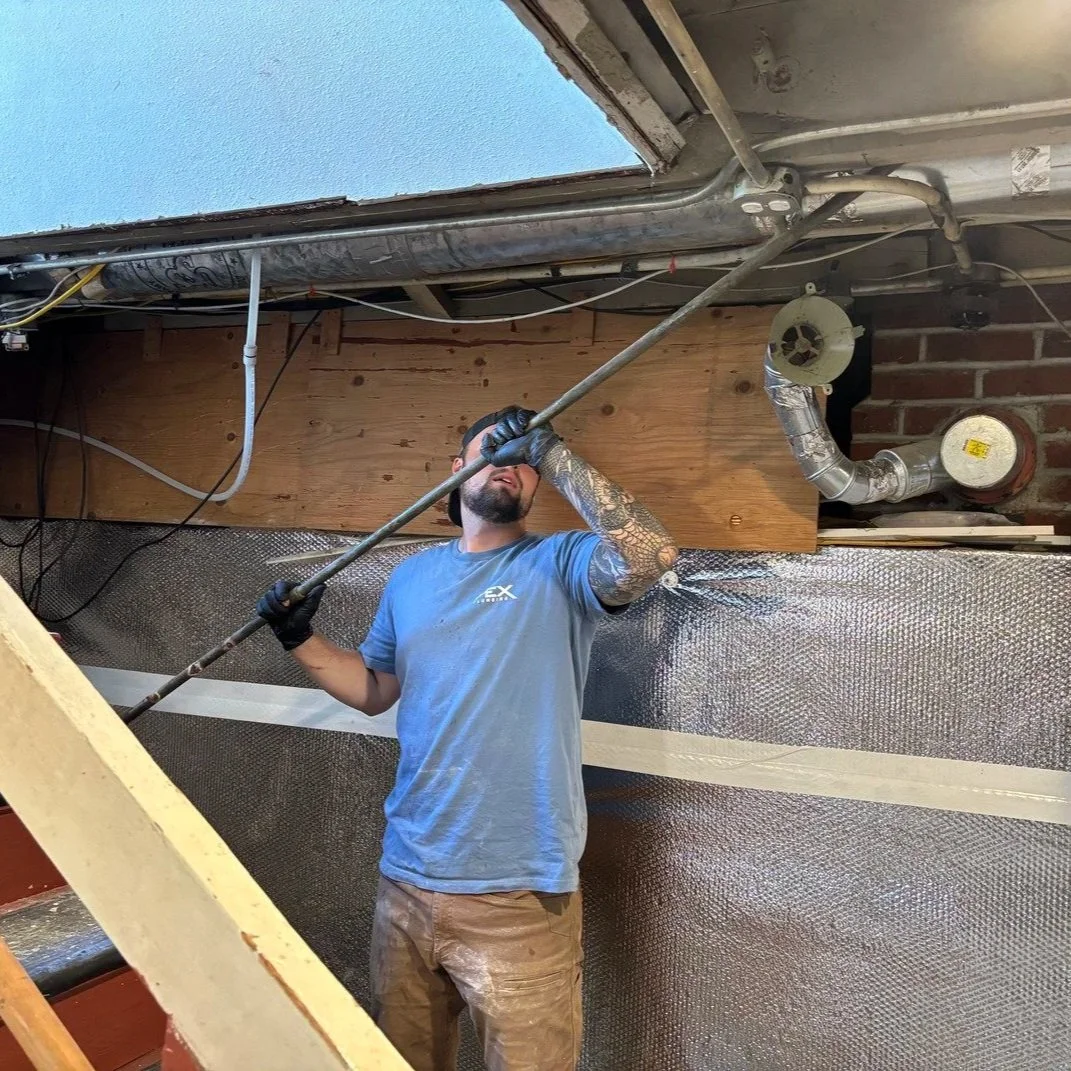
Hillsboro home plumbing repipe with PEX, replacing old copper and galvanized pipes to improve water flow and prevent leaks.
Understanding When A Whole House Repipe Becomes The Smart Move
Planning a whole house PEX repipe usually begins after homeowners in Hillsboro, OR, notice plumbing problems that seem scattered but persistent. One leak turns into another, water pressure fluctuates without warning, or hot water takes longer to reach fixtures that used to respond quickly. Older homes often rely on galvanized steel or aging copper pipes that have quietly deteriorated from the inside for decades. Corrosion, mineral buildup, and thinning pipe walls rarely fail all at once, which creates the illusion that spot repairs still make sense even as the system approaches the end of its service life. Homeowners often feel caught between fixing what breaks and questioning whether the entire system has reached a tipping point.
A whole house repipe becomes the smarter option when repairs stop feeling isolated and start behaving like symptoms of a larger problem. Replacing short sections of pipe often increases pressure on remaining older lines, accelerating future failures in unpredictable locations. Planning a PEX repipe shifts the conversation from reacting to plumbing emergencies toward restoring long-term reliability. Hillsboro homes experience seasonal temperature changes and soil movement that stress aging systems, making deterioration less forgiving over time. Whole house repiping addresses those underlying vulnerabilities rather than chasing them room by room, which changes how the home performs and how future maintenance unfolds.
Evaluating Existing Plumbing Materials And Layout
Proper planning begins with understanding what currently runs through the walls, crawlspace, and attic. Many Hillsboro homes contain a mix of pipe materials installed during different renovations, including galvanized steel, copper, and even early plastic segments. That patchwork complicates performance because each material reacts differently to pressure, temperature, and water chemistry. Plumbers assess visible piping, connection points, and previous repair locations to identify systemic weaknesses rather than isolated damage. Layout matters as much as material, since long pipe runs, tight bends, and outdated branching designs all affect flow behavior.
Evaluation also considers how the plumbing interacts with the structure itself. Crawlspace accessibility, attic clearance, and wall construction influence how new PEX lines can route efficiently. Older homes may feature narrow stud bays or plaster walls that require thoughtful planning to minimize disruption. Understanding the existing layout allows installers to design cleaner routing paths that improve pressure balance and reduce the number of concealed fittings. A thorough evaluation transforms repiping from a demolition-heavy project into a controlled upgrade that respects the home’s structure while modernizing its internal systems.
Defining Goals For A Whole House PEX Repipe
Every successful PEX repipe starts with clear goals that extend beyond replacing old pipes. Some homeowners focus on stabilizing water pressure across multiple bathrooms, while others want faster hot water delivery or improved appliance reliability. Older Hillsboro homes often suffer from uneven performance where one fixture affects another, creating daily frustration. Defining goals early guides design decisions, including manifold placement, pipe sizing, and routing strategies. Without clear priorities, systems may improve in some areas while leaving other long-standing issues unresolved.
Long-term ownership plans also influence repipe goals. Homeowners planning to stay long term often prioritize durability, ease of future modifications, and maintenance simplicity. Those preparing for resale may focus on reliability, inspection appeal, and reduced risk of water damage. PEX systems can support approaches when intentionally designed. Goal-setting helps translate homeowner expectations into a system that delivers measurable improvements rather than vague upgrades. Clear objectives keep the project focused and prevent costly mid-project changes that arise when priorities remain undefined.
Planning PEX Routing Throughout The Home
PEX routing determines how effectively the new system performs over decades of use. Unlike rigid piping, PEX bends around obstacles and take unconventional paths, allowing installers to avoid unnecessary wall removal. Planning identifies optimal routes through crawlspaces, attics, and utility chases that maintain accessibility while protecting pipes from temperature extremes. Hillsboro homes often benefit from attic routing when insulation conditions allow, while crawlspaces provide efficient horizontal distribution in single-story layouts.
Routing decisions also affect future serviceability. Home run systems using manifolds allow individual lines to serve each fixture directly, which simplifies isolation and troubleshooting later. Trunk-and-branch designs may suit smaller homes with fewer fixtures. Each approach has long-term implications for pressure balance, repair access, and upgrade flexibility. Thoughtful routing reduces hidden joints and minimizes stress points that cause future leaks. Planning these paths carefully establishes a foundation for predictable performance rather than leaving behavior to chance.
Coordinating With Water Heaters And Supply Entry Points
A whole house repipe must integrate seamlessly with the main water supply and water heating equipment. Planning includes evaluating where water enters the home and how it is distributed to hot and cold systems. Older Hillsboro homes may have undersized supply lines or outdated shutoff valves that limit performance even after repiping. Addressing these components during planning prevents bottlenecks that undermine the benefits of new PEX lines.
Water heater placement and type also influence repipe design. Tank water heaters, tankless systems, and recirculation setups each require specific routing considerations. PEX retains heat more effectively than metal piping, improving delivery times but requiring careful sizing to maintain balanced temperatures. Integration planning avoids uneven hot water distribution and reduces energy waste. Coordinating these elements early aligns system performance with household usage patterns rather than forcing adjustments after installation.
Minimizing Interior Disruption During Installation
Homeowners often worry that a whole house repipe means extensive wall and ceiling removal. Planning addresses those concerns by identifying access points that limit interior disruption. PEX flexibility allows installers to work through smaller openings, often using existing plumbing penetrations to reach fixtures. Strategic access planning reduces post-installation repair work and preserves finished spaces whenever possible.
Disruption management also considers household routines. Coordinating installation phases around occupancy patterns helps maintain daily function. Many repipes restore water service incrementally rather than shutting down the entire home for extended periods. Planning for access and sequencing transforms a potentially chaotic project into a manageable process. Thoughtful preparation sets realistic expectations while protecting the home’s livability throughout the upgrade.
Managing Budget Expectations And Project Scope
Planning a whole house PEX repipe requires realistic budgeting that reflects both visible work and behind-the-scenes complexity. Older Hillsboro homes often contain surprises such as inaccessible chases, outdated shutoff valves, or undocumented modifications from past renovations. Budget planning accounts for those variables without treating them as afterthoughts. A well-scoped project anticipates material needs, labor sequencing, wall access repairs, and coordination with inspections. Homeowners benefit from understanding that cost differences often reflect planning depth rather than material quality alone.
Scope clarity prevents the project from drifting mid-installation. Decisions about fixture connections, hose bib replacements, or upgrading interior shutoffs affect both cost and long-term convenience. Narrow scopes may reduce upfront costs but leave aging components in place, compromising overall system reliability. Broader scopes address plumbing as a unified system, supporting predictable performance and lower future expenses. Thoughtful budgeting aligns financial planning with long-term ownership goals rather than reacting to piecemeal issues later.
Understanding Permits And Inspection Requirements In Hillsboro
A whole house repipe involves more than installation skills. Local permitting and inspection requirements play a direct role in project planning. Hillsboro, OR, follows established plumbing codes that govern pipe support spacing, fire protection measures, and material usage. Planning includes coordinating permits, scheduling inspections, and documenting system changes accurately. Ignoring these steps creates compliance risks that surface during resale, insurance reviews, or future renovations.
Inspection preparation also influences installation sequencing. Certain portions of the system must remain visible until approval, which affects scheduling and wall closure timing. Experienced planning anticipates these checkpoints to avoid delays. Proper documentation benefits homeowners long after the project finishes by providing clear records of system upgrades. Compliance planning transforms inspections from obstacles into confirmation that the work aligns with modern standards and long-term safety expectations.
Planning For Long-Term Maintenance And Accessibility
PEX repiping offers maintenance advantages only when accessibility remains part of the planning process. Routing decisions that prioritize ease of access reduce future service disruption. Clearly labeled manifolds, organized line runs, and accessible shutoff points simplify troubleshooting years later. Older Hillsboro homes benefit from these features because original plumbing often lacks isolation options, forcing full shutoffs for minor repairs.
Long-term planning also considers how future upgrades will integrate. Bathroom remodels, kitchen renovations, or appliance replacements connect more smoothly to PEX systems designed with flexibility in mind. Maintenance becomes less reactive because system behavior remains predictable. Planning for accessibility preserves the value of the investment by extending functional lifespan and reducing stress during inevitable future changes.
Reducing Risk Of Water Damage Over Time
One of the most practical reasons homeowners plan a whole house repipe is to reduce water damage risk. Aging metal pipes often fail without warning after years of internal deterioration. Planning a PEX repipe addresses those hidden risks before they escalate into major repairs. Flexible tubing tolerates minor structural movement and pressure changes that can crack rigid pipes, reducing the potential for leaks behind walls and ceilings.
Risk reduction also involves strategically placing shutoff valves and minimizing concealed joints. Fewer hidden connections mean fewer opportunities for slow leaks that cause mold or structural damage. Over time, homeowners experience fewer emergencies and greater confidence in system reliability. Planning for risk management transforms plumbing from a constant concern into a reliable utility that quietly supports the home.
How A Repipe Changes Daily Water Use Experience
Planning often focuses on infrastructure, but daily experience changes matter just as much. PEX repiping improves water pressure consistency, temperature stability, and response time at fixtures. Hillsboro homeowners frequently notice that showers maintain pressure even when appliances run, and hot water arrives faster without extended waiting. These improvements stem from thoughtful pipe sizing and routing rather than material choice alone.
Daily use improvements compound over time. Appliances operate more reliably, fixtures last longer, and household routines feel smoother. Planning connects technical decisions with lived experience, translating design choices into tangible comfort. Over years of use, these small improvements add up to a noticeably more functional home environment without requiring constant adjustment.
Preparing The Home And Household For Installation
Successful repipe projects involve homeowner preparation alongside technical planning. Clearing access areas, coordinating schedules, and understanding daily water availability help reduce stress during installation. Planning includes discussing temporary shutoffs, access needs, and sequencing so household routines remain manageable. Clear preparation prevents misunderstandings that disrupt the project timeline.
Household readiness also includes planning for pets, work-from-home needs, and daily usage patterns. Experienced installers adapt schedules to minimize inconvenience when expectations align early. Preparation supports smoother execution and preserves trust throughout the project. Thoughtful coordination keeps the focus on quality installation rather than logistical friction.
FAQs
Most whole house PEX repipes take several days, depending on home size, layout, and access conditions. Planning allows water service to be restored incrementally rather than remaining off for the entire duration. Thoughtful sequencing minimizes daily disruption while maintaining installation quality.
Some access openings are typically required, but PEX flexibility reduces the need for widespread wall or ceiling removal. Installers often route lines through crawlspaces, attics, and existing penetrations. Any necessary openings are usually repaired after installation.
Water pressure problems caused by corrosion, buildup, or outdated layouts often improve after a repipe. PEX maintains a consistent internal diameter, enabling optimized routing. Planning pipe sizing and layout is crucial to achieving balanced pressure throughout the home.
PEX works well in older Hillsboro homes because it adapts to existing structures and resists corrosion common in aging systems. Flexible tubing accommodates minor structural movement without cracking. Proper planning aligns installation with local conditions and long-term performance expectations.
Homes with updated plumbing systems often attract buyers seeking reduced maintenance risk. Inspectors recognize modern repiping as a major upgrade. Clear documentation of the project supports smoother transactions and buyer confidence.
PEX Plumbing and Repiping is a trusted specialist offering repiping service, whole-house repiping, repiping of hot and cold water lines, and repiping of galvanized, copper, or polybutylene pipes for homeowners in Portland, Hillsboro, Beaverton, Vancouver, WA, and surrounding areas. Fully licensed, bonded, and insured. Count on us for fast turnaround times and clean and efficient service. Request a free quote today.
