
How-To: Spot Warning Signs Your Hillsboro Home Needs Repiping
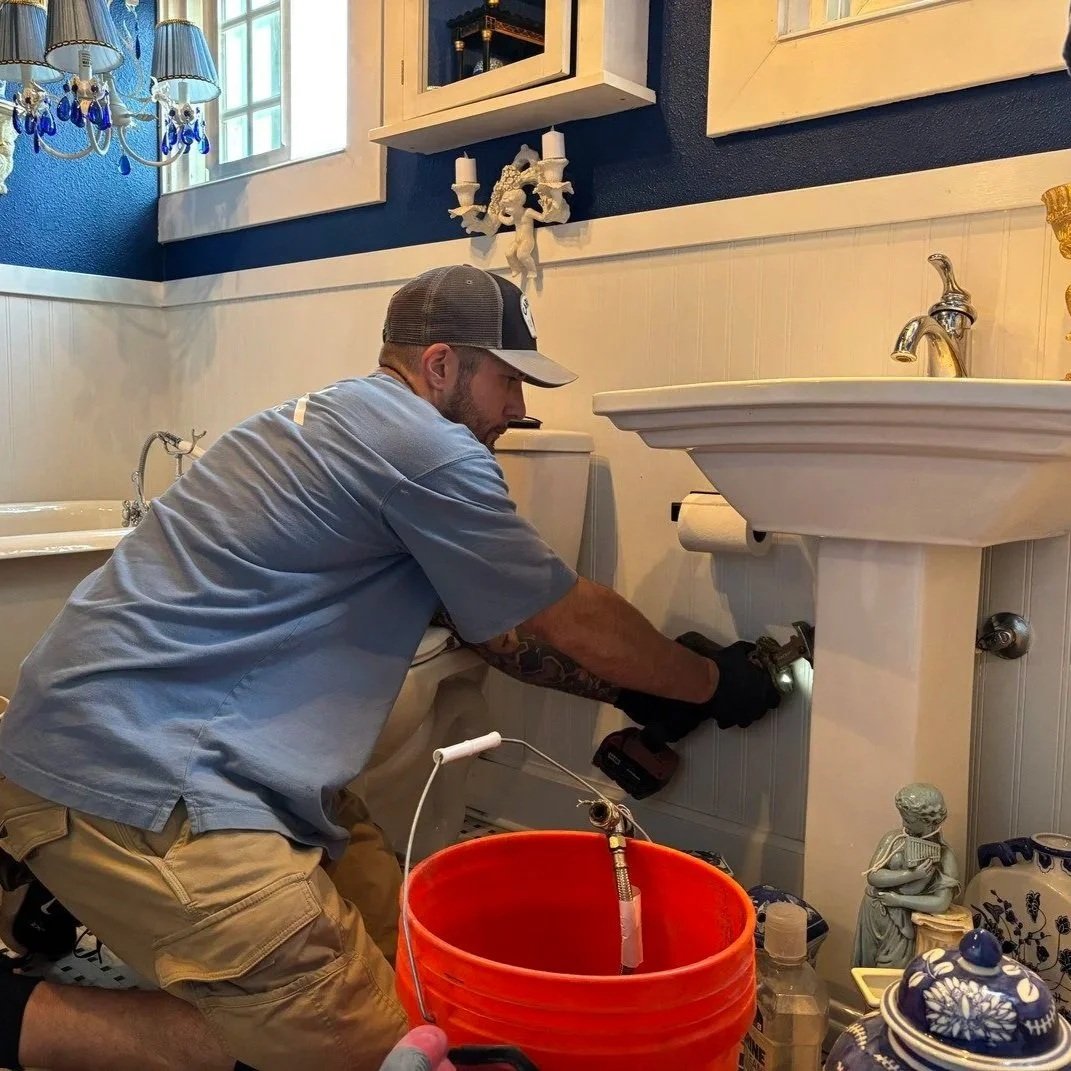
Old copper and galvanized pipes leaking inside Hillsboro home, showing corrosion, water damage, and potential need for full repiping.
Persistent Leaks That Never Seem Fully Resolved
One of the earliest warning signs that a Hillsboro, OR, home may need repiping involves leaks that keep reappearing despite repeated repairs. Homeowners often replace a section of pipe under a sink or behind a wall, only to discover another leak months later in a completely different area. These patterns usually point to system-wide deterioration rather than isolated failures. Older plumbing materials, such as galvanized steel or aging copper, degrade unevenly from the inside, creating multiple weak points that fail one after another. Water pressure naturally finds the thinnest sections first, which explains why leaks appear scattered and unpredictable.
Over time, repeated repairs can actually accelerate additional failures. Cutting into old pipes and tying in new sections changes pressure dynamics throughout the system. Areas that were barely holding together suddenly face increased stress, leading to fresh leaks elsewhere. When leaks become routine rather than rare, the plumbing system has entered a decline phase that patching cannot reverse. Repiping addresses the root cause by removing compromised materials entirely, rather than reacting to the next weak spot waiting to give out.
Noticeable Drops In Water Pressure Or Uneven Flow
Water pressure problems often develop gradually, making them easy to dismiss until they interfere with daily routines. In many older Hillsboro homes, showers lose strength when another fixture turns on, or sinks trickle when appliances fill. These issues rarely originate at the municipal supply. Instead, they stem from internal restrictions caused by corrosion, mineral buildup, or outdated pipe layouts. Galvanized pipes narrow significantly over decades as deposits accumulate inside, reducing effective diameter and disrupting flow balance.
Uneven pressure also creates long-term stress on plumbing components. Fixtures designed for consistent flow wear out faster when pressure fluctuates constantly. Appliances experience strain during fill cycles, and mixing valves struggle to regulate temperature. Ignoring these symptoms allows internal deterioration to continue unchecked. When pressure problems appear across multiple fixtures rather than a single location, the issue usually points to the overall piping network reaching the end of its functional lifespan rather than a simple repair need.
Discolored Or Rust-Tinted Water At Fixtures
Changes in water color often catch homeowners off guard, especially when they appear suddenly. Brown, yellow, or reddish water typically signals corrosion inside metal pipes. In older Hillsboro homes, rust flakes break loose from galvanized steel and travel through the system, staining sinks, tubs, and laundry. Homeowners may notice discoloration after water sits unused for several hours or when fixtures are first turned on in the morning. Flushing lines temporarily improves clarity, but the discoloration returns because the source remains inside the pipes.
Beyond cosmetic concerns, discolored water affects fixture longevity and appliance performance. Sediment accumulates inside valves, cartridges, and water-using appliances, leading to premature wear. Over time, corrosion worsens, increasing the likelihood of leaks and blockages. Persistent discoloration indicates that pipes are deteriorating internally and shedding material into the water supply. Repiping removes the corroding source rather than masking the symptoms through filtration or repeated flushing.
Frequent Pinholes Or Moisture Without Obvious Leaks
Pinholes represent a particularly deceptive warning sign because they often remain hidden for long periods. Copper pipes, especially older installations, can develop microscopic holes due to water chemistry, grounding issues, or gradual thinning of pipe walls. These pinholes may leak only intermittently, allowing water to evaporate before visible damage appears. In Hillsboro homes with crawlspaces or interior wall plumbing, moisture buildup may go unnoticed until mold, warped flooring, or musty odors develop.
Subtle moisture signs often indicate a plumbing system losing integrity across multiple locations. Pinholes rarely occur in isolation. Once conditions allow one to form, others usually follow as pipe walls continue to weaken. Addressing individual pinholes delays the inevitable while increasing repair frequency. When unexplained moisture appears repeatedly or damages surfaces without a clear source, the plumbing system itself has become unreliable. Repiping eliminates the thin-walled material responsible for these slow, damaging leaks.
Unusual Noises Coming From Pipes During Water Use
Noisy plumbing often gets written off as a harmless annoyance, but persistent sounds usually indicate underlying stress within the system. Banging, knocking, or rattling noises occur when rigid pipes react to sudden pressure changes, such as when faucets close quickly or appliances shut off valves. Water hammer repeatedly stresses joints and connections, loosening fittings and accelerating failure. Older Hillsboro homes with long pipe runs and outdated supports are more prone to these issues.
Noise also signals movement where pipes contact framing or other building components. Over time, vibration wears away protective barriers, increasing the risk of leaks at connection points. Flexible piping materials reduce these stresses by absorbing pressure changes instead of resisting them. When plumbing noise becomes routine rather than occasional, the system is under constant strain. Ignoring these sounds allows cumulative damage to build until leaks or joint failures become unavoidable.
Slow Or Inconsistent Hot Water Delivery
Hot water delays frustrate many homeowners, particularly in larger or multi-bathroom homes. Faucets may take minutes to deliver hot water, or the temperature may fluctuate unpredictably during use. These problems often result from inefficient heat retention and imbalanced flow within aging piping networks. Metal pipes conduct heat away quickly, allowing water to cool as it travels through long runs to distant fixtures. In Hillsboro homes built decades ago, layouts were not designed with modern usage patterns in mind.
Inconsistent hot water also places stress on mixing valves and fixtures, shortening their lifespan. Homeowners often compensate by adjusting water heaters or tolerating waste as water runs unused. Persistent temperature issues indicate deeper problems within the plumbing infrastructure rather than isolated fixture failures. Repiping allows routing and material choices that improve thermal performance and stabilize delivery throughout the home.
Water Stains Or Damage Appearing Without a Clear Cause
Water damage that appears far from visible plumbing fixtures often traces back to hidden pipe failures. Stains on ceilings, bubbling paint, warped flooring, or unexplained mold growth suggest moisture intrusion behind walls or under floors. In older Hillsboro homes, pipes routed through interior walls or crawl spaces may leak slowly for months before signs appear. By the time damage becomes visible, repairs often extend beyond plumbing into structural restoration.
Hidden damage frequently indicates multiple vulnerable areas within the system. Fixing one leak does not prevent others from developing as materials continue to degrade. Moisture exposure compounds over time, affecting insulation, framing, and indoor air quality. When water damage appears without a clear source or repeats in different areas, the plumbing system has likely reached a point where ongoing deterioration outweighs the value of continued repairs.
Corrosion Visible On Exposed Pipes Or Fittings
Exposed plumbing offers valuable clues about what is happening inside the rest of the system. In many Hillsboro, OR homes, pipes visible under sinks, in crawlspaces, or near water heaters show clear signs of corrosion long before failures occur elsewhere. Flaking metal, pitted surfaces, or white and green residue around fittings all indicate chemical reactions between the pipe material and the water flowing through it. These reactions weaken pipe walls unevenly, creating unpredictable failure points throughout the system. Visible corrosion rarely stays confined to one area, even if damage appears localized at first glance.
Corrosion also affects threaded connections and fittings, which often fail before straight pipe runs. As metal deteriorates, seals loosen, and joints become vulnerable to pressure changes. Over time, small seepage can turn into active leaks that spread damage to surrounding materials. When corrosion appears on exposed sections, the hidden runs inside walls are usually more advanced. Treating visible corrosion as an isolated cosmetic issue delays addressing the broader system decline that continues out of sight.
Rising Water Bills Without Changes In Usage
Unexpected increases in water bills often point to plumbing issues that go unnoticed in daily life. Slow leaks behind walls, under slabs, or in crawlspaces allow water to escape continuously without obvious signs. Homeowners may assume rate changes or seasonal use explain the increase, but persistent spikes usually reflect loss within the system itself. In older Hillsboro homes, deteriorating pipes develop multiple small leaks that accumulate over time rather than causing a single dramatic failure.
These losses place constant stress on remaining pipe sections as pressure fluctuates and flow patterns change. Ignoring unexplained water usage allows damage to spread quietly while costs accumulate. Over months or years, homeowners pay for water they never see while structural materials absorb moisture. When billing increases occur alongside other warning signs, such as corrosion or pressure problems, the plumbing system has likely become inefficient and unreliable. Repiping removes hidden leak sources instead of continuing to absorb ongoing losses.
Plumbing Repairs Becoming More Frequent And Invasive
A clear indicator that a home may need repiping involves how often plumbing work interrupts daily life. Early on, repairs might involve simple fixture replacements or minor valve adjustments. As systems age, repairs grow more frequent and invasive, requiring wall openings, ceiling access, or crawlspace excavation. Hillsboro homeowners often notice that plumbers spend more time locating problems than fixing them because failures occur unpredictably throughout the system.
Repeated invasive repairs also compromise structural integrity over time. Each access point introduces patchwork that weakens finishes and increases future repair complexity. Plumbing work begins to feel disruptive rather than routine. When maintenance shifts from occasional inconvenience to a recurring burden, the underlying system has likely outlived its practical service life. Repiping consolidates repairs into a single, planned project rather than spreading disruption across years of emergency visits.
Difficulty Controlling Water Shutoffs During Repairs
Older plumbing systems often lack adequate shutoff segmentation, making even minor repairs disruptive. Homeowners may need to shut off water to the entire house to service a single fixture. In some Hillsboro homes, shutoff valves have corroded to the point where they no longer function reliably. This lack of control discourages timely maintenance and increases frustration when issues arise.
Limited shutoff capability also increases the risk of damage during emergencies. Delayed shutoff allows leaks to spread further before water flow stops. Modern repiping plans typically include updated shutoff strategies that isolate sections or individual fixtures. When homeowners struggle to control water flow during routine service, the plumbing system no longer supports practical ownership. That loss of control often signals that broader upgrades are overdue.
Incompatibility With Modern Fixtures And Appliances
Modern plumbing fixtures and appliances expect consistent pressure, clean water, and stable temperature delivery. Older piping networks struggle to meet those demands, leading to poor performance or premature appliance wear. Tankless water heaters, high-efficiency washing machines, and advanced shower systems expose weaknesses that older layouts could hide for decades. In Hillsboro, homes undergoing upgrades often reveal these incompatibilities during renovations.
Homeowners may blame new fixtures for performance issues when the underlying plumbing cannot support them. Pressure drops, error codes, or inconsistent operation often trace back to pipe restrictions or uneven distribution. Continuing to upgrade fixtures without addressing the piping network only compounds frustrations. Repiping aligns plumbing infrastructure with modern usage expectations, enabling future improvements rather than limiting them.
FAQs
Most homes show several warning signs rather than a single clear indicator. Persistent leaks, pressure problems, discoloration, and frequent repairs often appear together. When multiple symptoms overlap, the plumbing system is usually at a stage where repiping offers greater long-term value than continued repairs.
Homes can need repiping even without frequent active leaks. Internal corrosion, pressure imbalance, and hidden deterioration often progress quietly for years. Waiting for constant leaks usually results in more damage and higher repair costs.
Water chemistry plays a significant role in the pipe's lifespan. Mineral content, acidity, and treatment methods influence corrosion rates and buildup. Hillsboro homes with aging pipes often experience accelerated deterioration due to long-term chemical interaction.
Repiping involves temporary disruption, but planning typically limits downtime and access needs. Modern methods reduce wall removal and restore water service in stages. Consolidating work into one project often proves less disruptive than repeated emergency repairs.
Modern repiping materials provide decades of reliable service under normal residential conditions. Corrosion resistance and flexibility support long-term stability. Homeowners gain predictability rather than a gradual performance decline.
PEX Plumbing and Repiping is a trusted specialist offering repiping service, whole-house repiping, repiping of hot and cold water lines, and repiping of galvanized, copper, or polybutylene pipes for homeowners in Portland, Hillsboro, Beaverton, Vancouver, WA, and surrounding areas. Fully licensed, bonded, and insured. Count on us for fast turnaround times and clean and efficient service. Request a free quote today.
