
Repair or Repipe? How to Know When Patching Stops Working
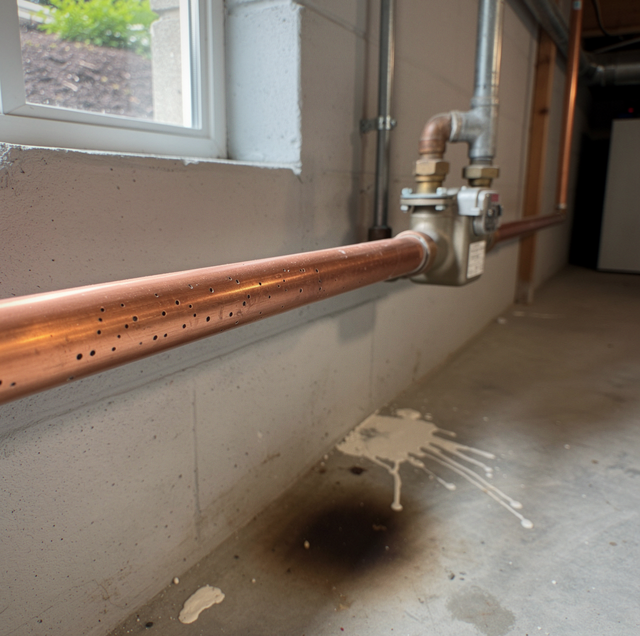
Every plumbing system eventually asks its owner a question: keep patching, or replace the whole thing. The trouble is that question rarely arrives with a clear signal attached. It shows up as a second leak six months after the first, a slightly rustier tap, a plumber's bill that feels larger than it should for what got fixed. None of those things individually says "repipe now." Together, over time, they can.
This guide walks through the factors that actually separate a house that still makes sense to patch from one where patching has become the more expensive, less reliable choice: how often repairs are happening, what the pipe material and age tell you, what corrosion and water quality are signaling, and how to weigh a full repipe against one more spot repair.
How Often You Are Calling A Plumber Is Data
A single leak is an event. A pattern of leaks is information about the condition of the whole system, not just the section that failed.
If a home has needed a repair for a pinhole leak, a corroded joint, or a cracked fitting more than once in a year or two, that frequency matters more than any single incident. Pipe failure is rarely random. A supply line that develops a leak due to age-related corrosion or material breakdown is running the same water at the same pressure through the same material everywhere else in the house. The section that failed first was simply the weakest point at that moment, not the only weak point.
Plumbers who see a home for a third or fourth repair on the same aging system are usually thinking the same thing: the next leak is not a matter of if, it is a matter of where. Each new repair is a temporary fix on a system failing on a schedule, one section at a time. A homeowner tracking their own repair history over a couple of years often has the clearest early warning available.
What Pipe Age And Material Are Telling You
Pipe does not fail because of bad luck. It fails because every material has a working life, and that clock started running the day it was installed.
Galvanized steel pipe has a zinc coating that slows corrosion but was never meant to last indefinitely. Once that coating wears through, the bare steel underneath rusts from the inside, narrowing the pipe and eventually perforating it.
Polybutylene pipe reacts chemically with oxidants commonly found in treated water, growing brittle and flaky from the inside over years of exposure. It can look completely sound right up until a fitting splits with almost no warning.
Copper, while generally more durable, is not immune to age. Certain water chemistry conditions and manufacturing factors from a given era make some copper runs prone to pitting corrosion, producing pinhole leaks that appear one after another rather than as a single dramatic failure.
Knowing which of these materials is actually running through the walls, and roughly how old it is, tells you far more about future risk than any individual leak does. A newer, well-installed copper or PEX system with one leak from an installation defect is a different situation entirely from an aging galvanized or polybutylene system reaching the end of its expected service life. Age plus material is often a stronger predictor of what happens next than the number of past repairs alone.
Reading The Corrosion Signs
Corrosion inside a pipe rarely announces itself directly. It shows up as a set of secondary symptoms that, taken together, tell a clear story.
Declining water pressure, especially when it gradually worsens across multiple fixtures rather than staying isolated to one, usually points to internal narrowing due to corrosion buildup rather than a simple clog at a single tap.
Discolored water, particularly a rust-brown tint that appears first thing in the morning or after the plumbing has sat unused, is a strong indicator that a metal pipe somewhere in the system is shedding rust or scale from the inside.
Visible pipe condition in any exposed section, a crawlspace, basement, or utility closet, can be a preview of what the hidden sections of the same system look like. Flaking, pitting, or a chalky white buildup at joints are all signs of active corrosion, and pipe of the same age and material elsewhere in the house is very likely on the same trajectory even if it is not yet showing it.
A cluster of small leaks in different spots over a short span is one of the more telling patterns, because it suggests the material itself is reaching the end of its working life rather than a one-off defect in one section.
None of these signs alone proves a system needs full replacement. Together, especially when paired with an aging material like galvanized steel or polybutylene, they make a case that patching individual failures treats the symptoms of a single underlying condition rather than fixing it.
When Water Quality Points To A Bigger Problem
Water quality complaints are sometimes dismissed as a fixture or filter issue when the real cause is upstream in the supply lines themselves.
Metallic-tasting water, a persistent odor, or sediment collecting in aerators and showerheads can trace back to corrosion products shedding into the water supply from inside an aging pipe. This is different from a one-time discoloration event after nearby water main work; it is a recurring pattern that shows up regardless of which fixture is running.
Chronically low pressure combined with any of these water-quality symptoms is a stronger signal than either one alone. Pressure loss without discoloration might just be a partially closed valve or a pressure-regulator issue. Pressure loss that accompanies rust-tinted water, sediment, or a metallic taste is much more likely tied to the condition of the pipe itself, since corrosion buildup narrows the interior diameter while shedding material into the water stream.
Water chemistry and soil conditions also shape how a given pipe material ages, which is another reason two houses built in the same year with the same original pipe can be in noticeably different conditions by the time an owner starts asking questions.
The Point Where Repairs Cost More Than Replacement
Every repair on an aging system has a real cost: the plumber's time, any wall or ceiling access work, and the risk of water damage if a leak goes undetected between visits. None of that spending fixes the underlying material condition. It only addresses the specific section that failed.
The tipping point is less about any single number and more about a pattern: a homeowner who has paid for three or four separate repairs on the same aging system, and is now facing the strong likelihood of a fifth, has effectively been paying installment costs toward a whole-house solution without ever actually getting one. Each repair buys time, not resolution, on a system where the material itself, not any one section of it, is the actual problem.
Cumulative repair spending on an aging system also tends to accelerate rather than level off, since corrosion and material breakdown are progressive conditions, not one-time events. A pipe that produced one pinhole leak two years ago is statistically more likely to produce another one soon than a section that has never failed, simply because the same conditions that caused the first failure are still acting on the rest of the run. At some point, the ongoing cost of chasing individual failures, plus the risk of damage each one carries, outweighs the cost of addressing the whole system once.
Whole-House Repipe Versus Spot Repair: Weighing The Tradeoffs
A spot repair and a whole-house repipe are solving different problems, and the right choice depends on which problem a given home actually has.
Spot repair makes sense when the failure is isolated: A single leak caused by a nail puncture, a defective fitting, or accidental damage during other work is a localized problem with a localized fix. If the surrounding pipe is made of newer material and in good condition, replacing only the damaged section resolves the issue completely, and there is no reason to disturb the rest of the sound system.
Whole-house repiping makes sense when the failure is systemic: If the pipe material has a known failure pattern (aging galvanized steel, polybutylene, or copper showing widespread pitting) and the home has already had multiple unrelated repairs, a spot repair only addresses the most recent failure. The rest of the system, made of the same material and installed at the same time, is still aging on the same clock. A full repipe replaces that entire clock at once with a single modern material system, rather than leaving an owner to keep discovering the next weak point one leak at a time.
There is also a disruption tradeoff worth weighing honestly. A repipe is a bigger project up front, involving access to walls, floors, or ceilings throughout the home. But many whole-house repipes finish in a single day of active work, with follow-up time for drywall patching afterward, often less disruptive than owners expect going in. A spot-repair pattern stretched across several separate service calls, each with its own access work, over a year or more, can end up rivaling or exceeding the disruption of a single repipe project.
A licensed plumber can help determine which category a given home falls into by inspecting exposed pipe sections, checking pressure and flow at multiple fixtures, and using a camera where sections are not visible to confirm both the material and its actual remaining condition, rather than guessing from symptoms alone.
Frequently Asked Questions
There is no fixed threshold, but a pattern of two or more unrelated repairs within a couple of years on the same aging system is generally treated as a strong signal by plumbers, especially when the material is galvanized steel, polybutylene, or older copper known for pitting. The number matters less than whether the repairs share a common cause: the pipe material itself aging out, rather than isolated accidental damage.
Yes, some homeowners choose to repipe in phases, starting with the areas showing the clearest signs of failure, such as a bathroom wing with repeated leaks, and completing the rest later. This approach costs more in total labor than doing the whole home in one project, since each phase requires its own setup and access work, but it can make sense for owners managing the project around a tight schedule or other renovation work.
Not automatically. A repipe replaces the supply lines running through walls, floors, and ceilings; fixtures and the water heater are typically reconnected to the new plumbing rather than replaced. An inspection done ahead of a repipe sometimes reveals a water heater corroding on its own timeline, worth addressing at the same time while the walls are already open.
An age-related leak, such as a pinhole from pitting corrosion or a split from brittle polybutylene, tends to appear in pipe that has been in service for many years and often occurs alongside other symptoms, such as discoloration or pressure loss elsewhere in the system. An installation-defect leak, such as a poorly soldered joint or an improperly crimped fitting, can appear much earlier in a pipe's life and is usually isolated to that one joint rather than part of a wider pattern.
Yes, particularly with polybutylene. Its failure mode is often a sudden crack or split at a fitting with little or no gradual buildup of visible symptoms beforehand, unlike galvanized steel, which more often gives some warning through pressure loss and discolored water first. This is one reason a plumber may recommend evaluating a known problem material even in a system that has not yet leaked.
Mineral-heavy water can contribute to scale buildup inside pipes, narrowing the interior diameter and compounding existing corrosion, particularly in older galvanized systems. It is one more variable layered on top of pipe age and material, rather than a standalone cause of failure, so an inspection that looks at scale buildup alongside pipe condition gives a clearer read than water hardness alone.
Schedule a repair-or-repipe evaluation — get a straight answer on whether one more patch makes sense or your system has reached its limit. PEX Plumbing & Repiping serves Portland, Beaverton, Tigard. Call (971) 232-3079.
