
Polybutylene Pipe: What It Is and Why It Fails
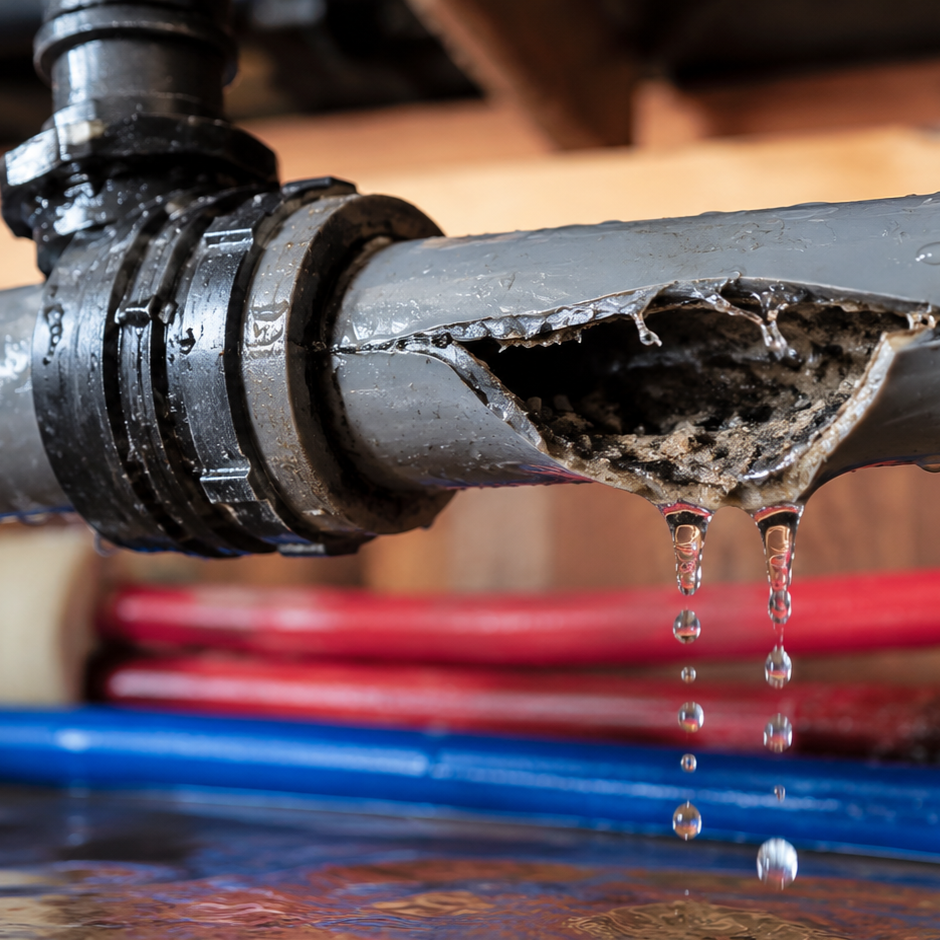
Quick Answer: Polybutylene is a gray (sometimes blue or black) plastic pipe widely installed in homes from roughly the late 1970s into the 1990s as a cheaper alternative to copper. It became a problem because it has a reputation for failing — it can become brittle and degrade over time, and it's prone to developing leaks and sudden failures, sometimes without much warning. Because of that failure history, it's no longer used and is widely recommended for replacement. If your home has polybutylene, the common advice is to repipe with a modern material before it leaks. A plumber can identify it and confirm.
If you own an older home, there's a pipe material lurking in some of them that has a troubled reputation: polybutylene. It was installed in a lot of houses for a couple of decades, then fell out of use after it became known for failing. For homeowners, the important things to know are what it is, why it's considered a problem, and how to tell if your home has it — because if it does, it's the kind of thing worth addressing before it causes trouble.
What Polybutylene Is
Polybutylene is a type of plastic piping that was widely used for residential water lines from around the late 1970s into the mid-1990s. At the time, it was popular because it was inexpensive and easy to install — a cheaper alternative to copper that saw heavy use in homes built or replumbed during that period. It's usually gray, though it can also be blue or black, and it was used for both the main water lines and interior plumbing. So a home from that era may well have polybutylene somewhere in its plumbing. It looked like a smart, economical choice when it went in — the problems came later.
Why It's a Problem
Polybutylene earned its bad reputation because it has a history of failing. Over time, the pipe can become brittle and degrade, and it's prone to developing leaks — sometimes sudden ones that occur without much warning. Rather than a material that wears out slowly and predictably, polybutylene gained a reputation for unexpected failures, which is exactly what you don't want from the pipes carrying water through your walls. Because of this track record of failure, polybutylene is no longer used in new plumbing and is widely flagged as a material that should be replaced. The concern isn't just that it might leak someday — it's that its failures can be abrupt and cause water damage, and the material as a whole isn't considered reliable.
How to Tell If Your Home Has It
A few clues point to polybutylene. The age of the home is the biggest: houses built or replumbed from roughly the late 1970s through the mid-1990s are the most likely to have it. The pipe itself is usually gray (sometimes blue or black) plastic, and it can often be spotted where plumbing is visible — near the water heater, at the main water shut-off, under sinks, or where pipes enter the home. Even so, identifying it for certain is best left to a professional, since it can be confused with other materials and may only be visible in certain spots. If your home is from that era, having a plumber check whether it has polybutylene is worthwhile.
| Clue | What to look for |
|---|---|
| Home age | Built/replumbed late 1970s–mid 1990s |
| Pipe color | Usually gray; sometimes blue or black |
| Material | Plastic, not metal |
| Where to look | Near water heater, main shut-off, under sinks |
| Confirmation | Have a plumber verify |
What to Do If You Have It
Because of polybutylene's history of failing — often unexpectedly — the common recommendation is to replace it with a modern, reliable piping material before it causes a leak, rather than waiting for it to fail. Repiping a home with polybutylene removes the risk of a sudden failure and the water damage that can come with it, and replaces an unreliable material with one built to last. Modern repiping is also faster and less disruptive than many expect when handled by an experienced crew. If a professional confirms your home has polybutylene, repiping is the proactive, peace-of-mind move. A repiping specialist can identify the material, assess your plumbing, and replace it efficiently.
Polybutylene's reputation comes from failures that can happen suddenly and without much warning, leading to leaks and water damage. If your home has it, that unpredictability is exactly why the common advice is to replace it proactively rather than wait for it to fail on its own schedule — which may be at the worst possible time.
Frequently Asked Questions
Polybutylene is a type of plastic water piping widely installed in homes from roughly the late 1970s into the mid-1990s. It was popular then because it was inexpensive and easy to install, a cheaper alternative to copper, and was used for both main water lines and interior plumbing. It's usually gray, though sometimes blue or black. It later fell out of use after gaining a reputation for failing, and it's no longer used in new plumbing, which is why it's mainly a concern in older homes today.
Because it has a history of failing. Over time, polybutylene can become brittle and degrade, and it's prone to developing leaks, sometimes sudden failures that occur without much warning. Rather than wearing out slowly and predictably, it gained a reputation for unexpected failures and water damage, which is why it's no longer used and is widely recommended for replacement. The core issue is that the material isn't considered reliable, and its failures can be abrupt rather than giving you time to react.
The biggest clue is the home's age — houses built or replumbed from about the late 1970s through the mid-1990s are the most likely to have it. The pipe is usually gray (sometimes blue or black) plastic and is often visible where plumbing is exposed, such as near the water heater, the main shut-off, or under sinks. Because it can be confused with other materials and may only be visible in spots, having a plumber verify it is the reliable way to confirm.
Generally, yes. Because of its history of sudden failures, the common recommendation is to proactively replace polybutylene with a modern, reliable piping material before it leaks, rather than waiting for it to fail. Repiping removes the risk of an abrupt failure and the water damage that can follow, and swaps an unreliable material for one built to last. If a professional confirms your home has polybutylene, replacing it is the proactive, peace-of-mind choice.
No. After it became known for failing, polybutylene fell out of use and is no longer installed in new plumbing. It's mainly found in homes built or replumbed during the roughly late-1970s-to-mid-1990s period when it was popular. Today, it's regarded as an outdated, problem material that's widely recommended for replacement rather than something used in current work. That's why the conversation around polybutylene is almost always about identifying and replacing it, not installing it.
A Problem Pipe Worth Replacing Before It Fails
Polybutylene is an older gray plastic pipe used widely from the late 1970s into the 1990s as a cheap alternative to copper — until it became known for failing, often suddenly and with little warning. That track record of brittleness and unexpected leaks is why it's no longer used and is widely recommended for replacement. If your home is from that era, it's worth having a plumber check for it, because the proactive move with polybutylene is to repipe with a modern, reliable material before it fails rather than after. Replacing it trades an unreliable pipe for peace of mind and removes the risk of a sudden leak doing expensive damage down the road when you least expect it.
Think your home might have polybutylene pipe? — Get it identified and replaced before it fails by a local repiping specialist. PEX Plumbing & Repiping serves Portland, Beaverton, Tigard. Call (971) 232-3079.
